

What Is a Waste Manager and What Are Their Main Responsibilities?
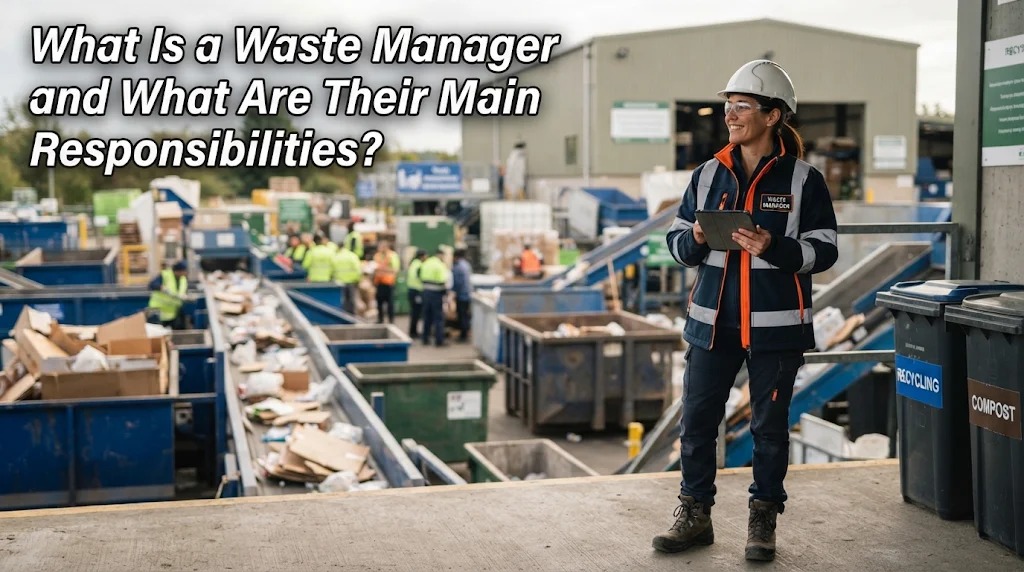
Waste management is an important activity that helps protect the environment, maintain public health, and reduce pollution. Every day, households, businesses, factories, hospitals, and public facilities produce different types of waste. If this waste is not handled properly, it can pollute soil and water, create unpleasant odors, and harm living organisms. Therefore, waste managers play an essential role in making sure waste is collected, processed, and disposed of safely.
A waste manager is responsible for organizing and supervising waste management activities from the beginning to the final stage. Their work involves planning collection systems, separating waste, choosing suitable treatment methods, and ensuring that disposal follows environmental regulations. They may work for government agencies, private companies, industrial facilities, or environmental service providers. Understanding their responsibilities helps explain why this profession is important for building a cleaner and more sustainable environment.
WHAT IS A WASTE MANAGER?
A waste manager is a professional who plans, coordinates, and supervises activities related to waste collection, transportation, treatment, recycling, and disposal. Their main goal is to ensure that waste is handled properly without causing unnecessary harm to people or the environment. They work with different types of waste, including household garbage, commercial waste, industrial waste, and certain hazardous materials. The methods used depend on the characteristics and potential risks of each type of waste.
Waste managers may work directly at waste treatment facilities or supervise waste management systems within organizations. Some focus on daily operations, while others develop environmental strategies and monitor compliance with regulations. Their responsibilities can also include managing employees, maintaining equipment, preparing reports, and controlling operational costs. This makes waste management a field that requires both practical knowledge and organizational skills.
MAIN RESPONSIBILITIES OF A WASTE MANAGER
One of the main responsibilities of a waste manager is organizing the collection and transportation of waste. They help establish collection schedules, select suitable transportation methods, and ensure that waste reaches the correct facilities. They also supervise waste sorting to separate recyclable materials, organic waste, and materials that require special treatment. Proper sorting makes the next stages more efficient and reduces the amount of waste sent to final disposal sites.
Another important responsibility is monitoring waste treatment and disposal processes. Waste managers ensure that treatment methods are appropriate for the materials being handled and that facilities operate according to established procedures. They may also supervise employees, inspect equipment, and identify problems that could interrupt operations. In addition, they prepare reports about waste quantities, treatment results, and operational performance to support better decision-making.
TYPES OF WASTE HANDLED BY WASTE MANAGERS
Waste managers deal with several types of waste that require different handling methods. Organic waste includes food scraps, leaves, and other biodegradable materials that can be processed into compost or biogas. Recyclable waste includes materials such as paper, cardboard, glass, metals, and certain plastics that can be used again after proper processing. Separating these materials helps reduce waste accumulation and supports the efficient use of natural resources.
They may also handle industrial and hazardous waste, depending on their qualifications and the requirements of their workplace. Industrial waste can come from manufacturing processes and may contain chemicals, oils, or production residues. Hazardous waste requires special storage, labeling, transportation, and treatment because it may be toxic, corrosive, flammable, or otherwise dangerous. Waste managers must ensure that these materials are handled by trained personnel and in accordance with applicable safety and environmental regulations.
SKILLS AND QUALIFICATIONS REQUIRED TO BECOME A WASTE MANAGER
A waste manager needs a combination of technical knowledge and management skills. Understanding waste classification, recycling processes, pollution prevention, and environmental regulations is important for handling daily responsibilities. Depending on the position, employers may prefer candidates with educational backgrounds in environmental engineering, environmental science, chemistry, public health, or related fields. However, entry-level operational roles may have different educational requirements.
Communication and leadership skills are also essential because waste managers often coordinate employees, contractors, local authorities, and business partners. They need to organize tasks, solve operational problems, and explain procedures clearly. Attention to detail is important when checking waste records, inspecting facilities, and monitoring environmental conditions. Practical training, relevant certifications, and work experience can also improve a candidate's qualifications for professional waste management positions.
WHY WASTE MANAGERS ARE IMPORTANT FOR THE ENVIRONMENT
Waste managers help reduce environmental pollution by ensuring that waste is treated and disposed of responsibly. Without proper management, waste can accumulate in public areas, enter waterways, contaminate soil, and create health risks. Through organized collection and appropriate treatment, waste managers help prevent these problems and maintain cleaner surroundings. Their work also supports the protection of natural habitats and local ecosystems.
They also contribute to resource conservation by encouraging recycling and the recovery of useful materials. Organic waste can be processed into compost, while suitable recyclable materials can become raw materials for new products. These activities reduce the demand for some newly extracted resources and decrease the amount of waste sent to disposal facilities. By combining effective planning, technology, and public cooperation, waste managers support a more sustainable waste management system.
CONCLUSION
A waste manager is a professional responsible for planning, organizing, and supervising waste collection, transportation, treatment, recycling, and disposal. Their main responsibilities include managing waste operations, monitoring environmental safety, supervising workers, and ensuring compliance with relevant regulations. They handle different types of waste, including organic, recyclable, industrial, and hazardous materials, using methods suited to each category. This profession requires technical knowledge, communication skills, leadership, and attention to detail. Waste managers play an important role in reducing pollution, conserving resources, and creating a cleaner and healthier environment.
Recent Posts

How Does Technology Make Daily Evaluation... 21.11.2026/55 View

Apa Strategi Menghadapi Kesenjangan antara Kompetensi... 21.11.2026/57 View

Mengapa Inventaris Aset Penting bagi Kelancaran... 21.11.2026/51 View

When Should Musicians Join a Record... 21.11.2026/52 View

Daily Evaluation or Daily Planning Which... 21.11.2026/59 View
