

What Is an ATM PIN?
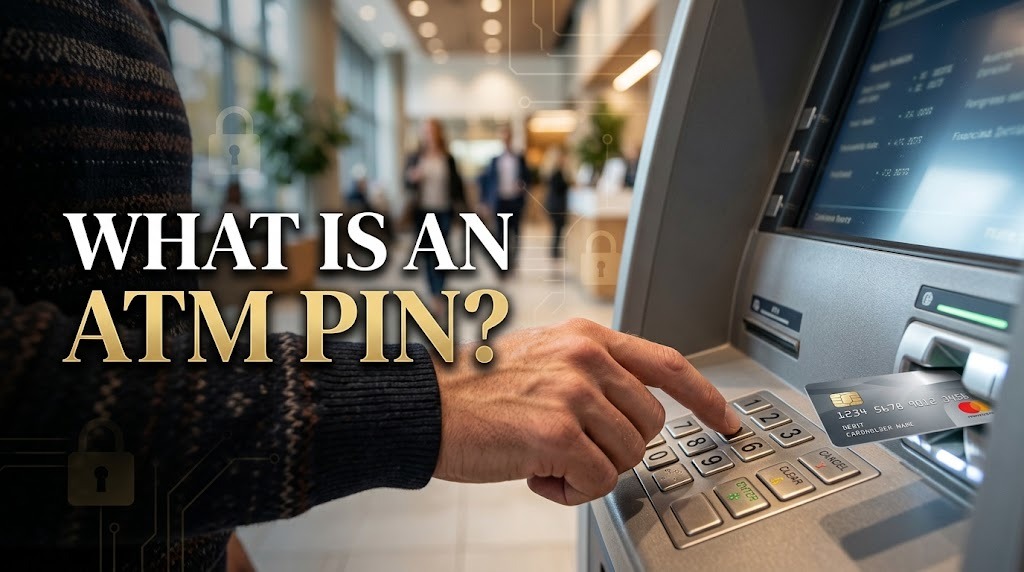
An ATM PIN is a personal identification number used to verify a customer's identity when accessing certain banking services. PIN stands for Personal Identification Number and is generally required when using an ATM to perform transactions such as withdrawing cash, checking an account balance, or making other available banking transactions.
An ATM PIN serves as an additional security measure for bank accounts. Because the PIN is connected to access to banking services, customers should keep it private and avoid sharing it with other people. Understanding how an ATM PIN works can help users operate ATMs more safely.
UNDERSTANDING THE FUNCTION OF AN ATM PIN
The primary function of an ATM PIN is to help verify that the person using a bank card is authorized to access the associated account. After inserting or tapping a card at an ATM, the user may be asked to enter the PIN before continuing with certain transactions.
The PIN works together with other security features provided by the bank. Depending on the bank and type of card, an ATM may use additional verification or security measures to protect transactions.
Because the PIN is part of the banking security system, users should treat it as confidential information. A PIN should not be written where other people can easily see or access it.
WHY IS AN ATM PIN IMPORTANT FOR SECURITY?
An ATM PIN for security helps prevent unauthorized people from using a bank card to access certain banking services. A person who obtains a physical card may still face an additional security barrier if the correct PIN is required.
However, a PIN should not be considered the only form of protection. Users should also protect their bank cards, monitor transactions, and follow security recommendations provided by their bank.
Keeping the PIN confidential is an important part of protecting banking information. Users should avoid sharing it through messages, phone calls, social media, or other communication channels.
WHEN IS AN ATM PIN USED?
An ATM PIN may be required when performing specific transactions at an ATM. Common examples include cash withdrawals, balance inquiries, and other services supported by the particular ATM and bank.
The exact process can differ depending on the bank, card type, and ATM system. Some modern banking services may also use additional authentication methods for certain transactions.
Users should always follow the instructions displayed on the ATM screen and avoid entering sensitive information if the machine appears damaged or suspicious.
HOW SHOULD YOU PROTECT YOUR ATM PIN?
Protecting an ATM PIN starts with keeping the number confidential. When entering a PIN at an ATM, users can shield the keypad with their hand or body so that other people cannot easily observe the numbers being entered.
Avoid choosing a PIN that is easy to associate with publicly known personal information. Users should also avoid storing the PIN together with their bank card.
If someone asks for an ATM PIN, do not provide it. Legitimate banking staff should not require customers to disclose their confidential PIN through ordinary communication channels. If there is any concern about account security, contact the bank through an official channel.
WHAT SHOULD YOU REMEMBER ABOUT ATM PINS?
An ATM PIN is an important part of bank account security and should be treated as confidential information. Understanding its purpose can help users become more careful when accessing banking services.
Users should remember that an ATM PIN is intended for the authorized account holder and should not be shared with other people. Combining PIN protection with safe ATM habits and regular transaction monitoring can provide better overall security.
CONCLUSION
An ATM PIN is a Personal Identification Number used to help verify a customer's identity when accessing certain ATM and banking services. It provides an additional layer of security and helps protect accounts from unauthorized access.
Keeping the PIN private, entering it carefully, and following safe banking practices are important parts of ATM security. Users should also follow the specific security guidance provided by their bank.
Recent Posts

Bagaimana Sistem SKS pada Program Kuliah... 22.11.2026/35 View

How Does Technology Make Daily Evaluation... 21.11.2026/69 View

Apa Strategi Menghadapi Kesenjangan antara Kompetensi... 21.11.2026/69 View

Mengapa Inventaris Aset Penting bagi Kelancaran... 21.11.2026/67 View

When Should Musicians Join a Record... 21.11.2026/68 View
