

What Is Business Logistics and Why Is It Essential for Company Operations?
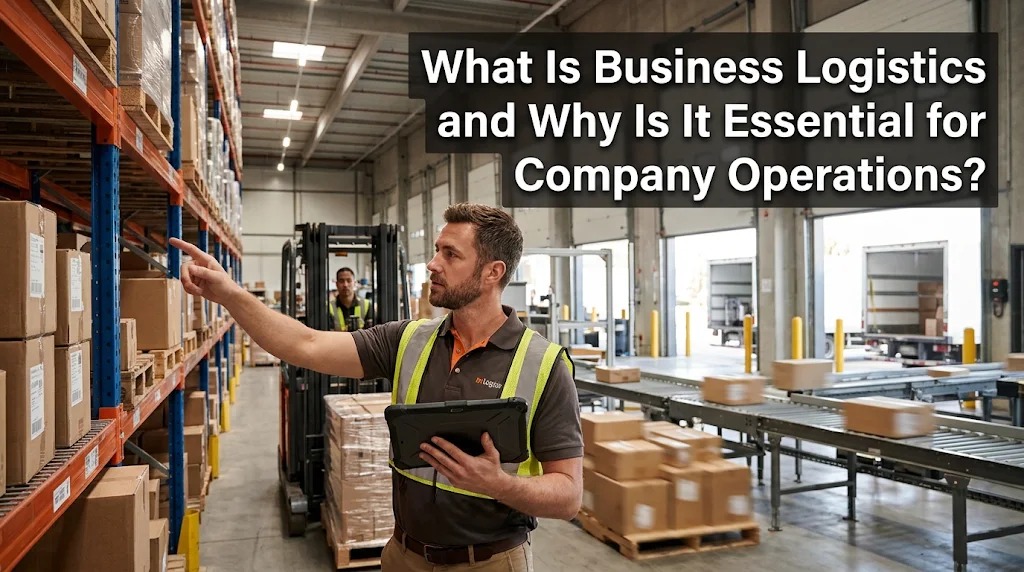
Business logistics is an important part of modern business operations because it ensures that products move efficiently from suppliers to customers. Every company needs an organized logistics system to manage transportation, inventory, warehousing, and product distribution. Without proper logistics management, businesses may experience delivery delays, higher operating costs, and customer dissatisfaction. As competition continues to grow, companies must develop effective logistics strategies to maintain productivity and meet customer expectations. Understanding business logistics helps organizations improve their daily operations, manage resources, and achieve long-term business success.
UNDERSTANDING BUSINESS LOGISTICS
Business logistics refers to the process of planning, implementing, and controlling the movement and storage of goods, services, and related information from their original location to the final customer. Its main purpose is to ensure that products are delivered to the right place, at the right time, in the right condition, and at a reasonable cost.
Logistics activities include transportation, inventory management, warehousing, packaging, and order processing. These activities must work together to support smooth business operations. For example, a retail company needs to manage product supplies, store inventory properly, and arrange deliveries so that customers can receive their purchases without unnecessary delays.
THE MAIN FUNCTIONS OF BUSINESS LOGISTICS
Business logistics consists of several important functions that help companies manage their operational activities. Each function has a different responsibility, but all of them are connected to the overall distribution process.
- Transportation Management: Determines the most suitable methods of moving products from suppliers to warehouses or customers.
- Inventory Management: Controls product quantities to prevent shortages and excessive stock.
- Warehousing: Provides suitable storage facilities to protect products and organize stock before distribution.
- Order Processing: Ensures that customer orders are recorded, prepared, and handled accurately.
- Packaging and Handling: Protects products during storage and transportation to reduce the risk of damage.
- Information Management: Supports communication and information exchange between suppliers, companies, warehouses, and customers.
When these functions are properly coordinated, companies can create a more organized logistics system. Effective coordination also helps reduce operational mistakes, improve delivery performance, and maintain product availability.
WHY BUSINESS LOGISTICS IS ESSENTIAL FOR COMPANY OPERATIONS
Business logistics plays an important role in maintaining the stability and efficiency of company operations. One major benefit is operational efficiency because a well-managed logistics system helps businesses organize resources, transportation schedules, and product distribution more effectively.
Another important benefit is cost reduction. Companies can control transportation expenses, storage costs, and inventory-related spending by selecting suitable logistics methods. For example, businesses can combine deliveries, choose efficient transportation routes, and maintain appropriate stock levels to avoid unnecessary expenses.
Furthermore, logistics management directly influences customer satisfaction. Customers generally expect products to arrive on time, in good condition, and according to their orders. When companies consistently meet these expectations, they can build customer trust, strengthen their reputation, and encourage repeat purchases.
THE ROLE OF TECHNOLOGY IN MODERN BUSINESS LOGISTICS
Technology has significantly changed how companies manage their logistics activities. Modern businesses increasingly use digital systems to monitor inventory, organize warehouse operations, process orders, and track product deliveries. These technologies help companies obtain more accurate information and make faster operational decisions.
For example, real-time tracking systems allow businesses and customers to monitor the movement of products during transportation. Meanwhile, warehouse management systems help employees organize storage locations and record inventory changes. Some companies also use artificial intelligence and data analytics to predict product demand, identify efficient delivery routes, and improve inventory planning.
Digital technology can reduce manual errors and improve communication between different departments. However, companies must also consider technology costs, employee training, and data security when implementing digital logistics systems. Choosing appropriate technology is essential to ensure that its benefits support the company's operational needs.
CHALLENGES AND STRATEGIES FOR IMPROVING LOGISTICS MANAGEMENT
Although business logistics provides many advantages, companies still face several challenges when managing their operations. Common problems include transportation delays, fluctuating fuel prices, limited warehouse capacity, inaccurate inventory records, and supply chain disruptions. These challenges can affect delivery schedules, increase operating expenses, and reduce customer satisfaction.
To overcome these problems, companies need to develop practical and flexible logistics strategies. Businesses should evaluate transportation performance, maintain accurate inventory records, establish reliable supplier relationships, and prepare alternative delivery plans. Using digital monitoring systems can also help companies identify potential problems before they become more serious.
In addition, regular logistics evaluations are important for identifying operational weaknesses. Companies should review delivery times, transportation costs, warehouse productivity, and customer feedback. Through continuous improvement, businesses can build a more reliable logistics system that supports their long-term growth.
CONCLUSION
Business logistics is an essential element of successful company operations because it manages the movement, storage, and distribution of products from suppliers to customers. Its main functions include transportation, inventory management, warehousing, order processing, and information management. Effective logistics management helps companies reduce operating costs, improve productivity, maintain product availability, and increase customer satisfaction. By adopting suitable technologies and developing effective operational strategies, businesses can overcome logistics challenges and strengthen their competitiveness in the modern marketplace.
Recent Posts

How Does Technology Make Daily Evaluation... 21.11.2026/62 View

Apa Strategi Menghadapi Kesenjangan antara Kompetensi... 21.11.2026/63 View

Mengapa Inventaris Aset Penting bagi Kelancaran... 21.11.2026/59 View

When Should Musicians Join a Record... 21.11.2026/58 View

Daily Evaluation or Daily Planning Which... 21.11.2026/66 View
