

What Is Cultural Heritage and Why Is It Important to Preserve?
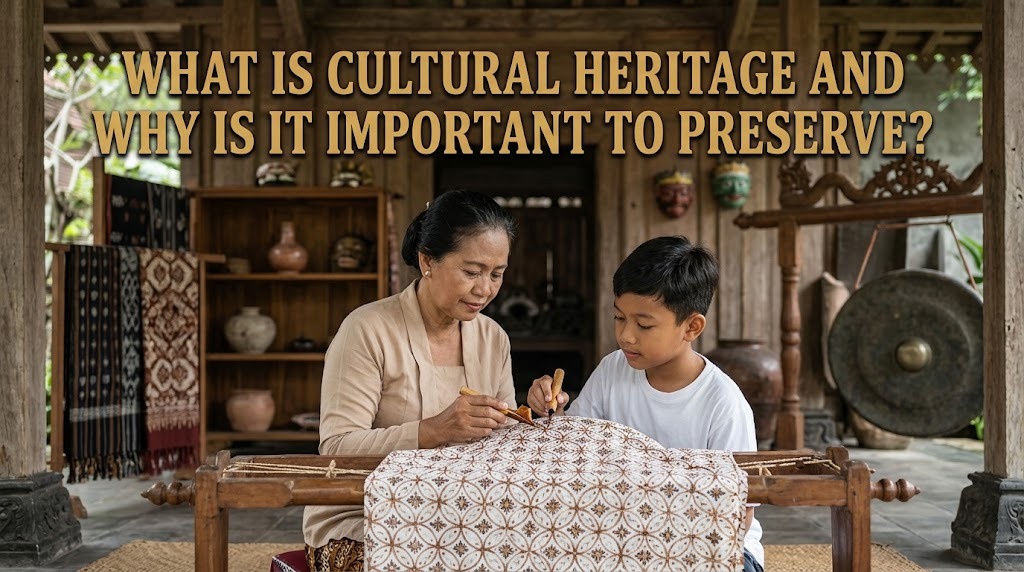
Cultural heritage is an important part of human history and identity. It represents the traditions, values, knowledge, and achievements passed down from one generation to another. Every country has unique cultural heritage that reflects its people's way of life, beliefs, and historical experiences. However, modernization, globalization, natural disasters, and changing lifestyles can threaten the survival of these valuable traditions and historical objects. Understanding what cultural heritage is and why it is important to preserve helps people recognize their responsibility in protecting it for future generations.
WHAT IS CULTURAL HERITAGE?
Cultural heritage refers to the traditions, objects, places, and knowledge inherited from previous generations. It reflects how people lived, communicated, created art, practiced traditions, and developed their communities throughout history. Cultural heritage is generally divided into tangible and intangible heritage. Tangible heritage includes physical objects and places, such as historical buildings, temples, traditional houses, monuments, paintings, and ancient manuscripts. These materials provide evidence of past civilizations and help people understand historical events.
Intangible cultural heritage includes traditions and practices that communities continue to pass down through generations. Examples include traditional dances, folk music, local languages, oral stories, ceremonies, traditional craftsmanship, and culinary knowledge. Natural landscapes and historic environments may also hold cultural significance because of their connections with community history and beliefs. These different forms of heritage help explain how societies have developed and why their cultural identities are unique. Together, they represent valuable resources that deserve recognition, respect, and protection.
WHY IS CULTURAL HERITAGE IMPORTANT?
Cultural heritage is important because it connects people with their history and helps them understand their origins. Historical buildings, traditional ceremonies, and ancient artifacts provide evidence of the experiences and achievements of earlier generations. By learning about these cultural resources, people can better understand the values, struggles, and accomplishments that shaped their communities. Cultural heritage also strengthens a sense of belonging because it connects individuals with shared traditions and collective memories. This connection can encourage communities to respect their history and maintain meaningful cultural practices.
Another important benefit is its contribution to education and cultural diversity. Cultural heritage allows students and researchers to learn about different societies, historical developments, artistic expressions, and traditional knowledge. It also encourages people to appreciate cultural differences instead of judging other communities based on unfamiliar customs. In addition, heritage can support local economies through responsible tourism, cultural festivals, museums, and traditional crafts. Preserving cultural heritage therefore provides historical, educational, social, and economic benefits for present and future generations.
TYPES OF CULTURAL HERITAGE THAT NEED PRESERVATION
Tangible cultural heritage includes physical objects and places with historical, artistic, or cultural value. Examples in Indonesia include Borobudur Temple, Prambanan Temple, traditional houses, historical buildings, and collections of ancient manuscripts. These sites and objects help researchers understand architecture, religious practices, artistic achievements, and social life in earlier periods. Proper conservation is necessary to protect them from weather damage, pollution, neglect, vandalism, and inappropriate development. Restoration should be carried out carefully to maintain their historical authenticity and cultural significance.
Intangible cultural heritage is equally important because it represents the living traditions of communities. Indonesian examples include batik craftsmanship, wayang performances, traditional dances, gamelan music, regional languages, and local ceremonies. These practices often depend on knowledge and skills passed from experienced practitioners to younger generations. If communities stop practicing or teaching these traditions, important cultural knowledge may gradually disappear. Supporting cultural education, community participation, and traditional practitioners helps ensure that these living forms of heritage remain meaningful.
WHY IS IT IMPORTANT TO PRESERVE CULTURAL HERITAGE?
Preserving cultural heritage protects valuable historical evidence from being lost or destroyed. Once a unique historical building, ancient artifact, or traditional practice disappears, recovering its original form or knowledge may be impossible. Conservation allows future generations to study and appreciate the experiences of people who lived before them. It also helps communities maintain their cultural identity while adapting to social and technological changes. Protecting heritage is therefore an investment in historical understanding and cultural continuity.
Cultural heritage preservation also supports mutual understanding and respect between different communities. When people learn about other cultures, they can recognize similarities and appreciate differences in traditions, beliefs, and lifestyles. This understanding can reduce prejudice and encourage peaceful relationships in diverse societies. Furthermore, cultural heritage can create economic opportunities when tourism and cultural activities are managed responsibly. These benefits demonstrate that preservation is not simply about protecting old objects but also about maintaining the knowledge, values, and relationships that give communities their character.
WHAT THREATENS CULTURAL HERITAGE?
Cultural heritage faces several threats, including urban development, environmental damage, natural disasters, and human activities. Historical buildings may be demolished to make space for new construction, while pollution and extreme weather can gradually damage cultural sites. Earthquakes, floods, fires, and other disasters can also destroy irreplaceable objects and structures. Theft, illegal artifact trading, vandalism, and poorly planned restoration may further weaken heritage protection. Without proper planning and conservation, these threats can cause permanent cultural losses.
Changing lifestyles and declining interest among younger generations can also threaten intangible heritage. When traditional languages are no longer spoken or cultural skills are not passed on, communities may lose important parts of their identity. Globalization and digital entertainment can influence how people spend their time, although modern technology can also help promote cultural traditions. Commercialization may create additional problems when cultural practices are changed mainly to attract tourists or generate profit. Addressing these challenges requires cooperation between governments, cultural organizations, local communities, educators, and younger generations.
HOW CAN WE PRESERVE CULTURAL HERITAGE?
Preserving cultural heritage begins with education and public awareness. Schools can introduce students to local history, traditional arts, regional languages, and the importance of historical sites. Families can also pass down cultural knowledge by teaching traditional recipes, stories, songs, crafts, and customs at home. Community festivals and cultural workshops provide opportunities for people to practice traditions and learn directly from experienced cultural practitioners. These activities help make cultural heritage a meaningful part of everyday life rather than something people encounter only in museums.
Governments and cultural organizations also play an essential role by creating protection policies, funding conservation projects, and maintaining historical sites. Regular inspections, careful restoration, proper documentation, and disaster preparedness can reduce the risk of damage to tangible heritage. Digital technology can support preservation by recording oral histories, photographing artifacts, documenting traditional performances, and creating digital archives. However, digital records should complement physical conservation and community-led transmission rather than replace them. Most importantly, local communities should participate in decisions about their heritage because they often possess the knowledge and cultural connections needed to protect it responsibly.
THE ROLE OF YOUNG GENERATIONS IN CULTURAL HERITAGE PRESERVATION
Young people have an important responsibility in keeping cultural heritage alive. They can learn traditional dances, music, languages, crafts, and local histories from older family members and community practitioners. Participating in cultural events and visiting historical sites can deepen their understanding of their own backgrounds. Young people can also use social media to share accurate information about local traditions, historical places, and cultural practices with wider audiences. By combining traditional knowledge with modern communication tools, they can introduce cultural heritage to people who might otherwise have limited opportunities to learn about it.
In addition, young generations can support preservation by respecting historical sites, avoiding vandalism, and participating in community conservation activities. They can interview older community members and document traditional stories with permission, helping preserve knowledge that might otherwise be forgotten. When sharing cultural material online, they should provide accurate information and respect the rights, wishes, and cultural values of the communities involved. Young people can also encourage responsible tourism that benefits local communities without damaging important cultural resources. Their involvement helps ensure that cultural heritage remains relevant, respected, and accessible in the future.
CONCLUSION
Cultural heritage represents the history, identity, traditions, and knowledge that communities pass from one generation to another. It includes tangible heritage, such as historical buildings and artifacts, as well as intangible heritage, such as traditional music, languages, ceremonies, and craftsmanship. Preserving cultural heritage is important because it protects historical evidence, strengthens cultural identity, supports education, encourages mutual understanding, and can create sustainable economic opportunities.
However, cultural heritage faces threats from modernization, environmental damage, natural disasters, neglect, and declining interest in traditional practices. Protecting it requires cooperation among governments, educational institutions, cultural organizations, families, and local communities. Young people also have a valuable role in learning, practicing, documenting, and sharing cultural traditions responsibly. Through consistent preservation efforts, cultural heritage can continue to enrich society and provide meaningful connections between past, present, and future generations.
Recent Posts

Bagaimana Sistem SKS pada Program Kuliah... 22.11.2026/47 View

How Does Technology Make Daily Evaluation... 21.11.2026/75 View

Apa Strategi Menghadapi Kesenjangan antara Kompetensi... 21.11.2026/77 View

Mengapa Inventaris Aset Penting bagi Kelancaran... 21.11.2026/73 View

When Should Musicians Join a Record... 21.11.2026/77 View
