

What Is Lecturer Training and Why Is It Important for Higher Education Quality
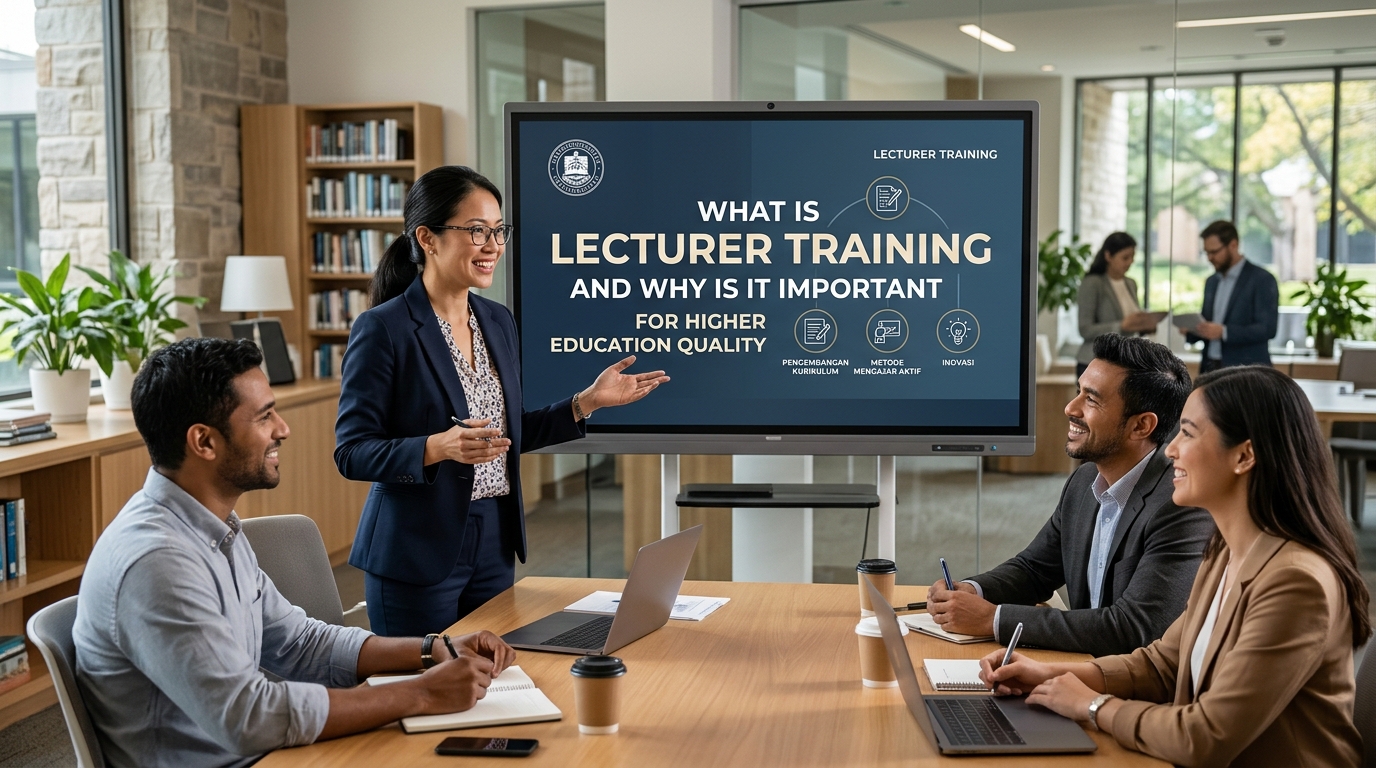
Lecturer training is an important part of improving the quality of higher education. As education continues to develop, lecturers need to update their knowledge, teaching methods, and professional skills to meet students’ learning needs. Through effective training, lecturers can create a more engaging learning environment, use modern technology, and help students achieve better academic results. Understanding lecturer training and its benefits can help universities develop qualified educators and provide better educational services.
WHAT IS LECTURER TRAINING
Lecturer training is a structured learning program designed to improve lecturers’ knowledge, teaching abilities, and professional competence. It helps lecturers understand effective teaching strategies, develop learning materials, and evaluate student performance. Training may include workshops, seminars, online courses, mentoring, and practical teaching sessions. These activities allow lecturers to learn new approaches and apply them in the classroom. The main goal is to ensure that lecturers can deliver effective, relevant, and high-quality education.
Lecturer training also supports continuous professional development. Lecturers need to keep up with changes in technology, research, industry requirements, and educational policies. By participating in relevant training programs, they can improve their subject knowledge and teaching practices. This process helps them become more confident and prepared to handle different classroom situations. As a result, students can receive learning experiences that are more meaningful and aligned with current educational needs.
WHY IS LECTURER TRAINING IMPORTANT FOR HIGHER EDUCATION QUALITY
Lecturer training is essential for maintaining and improving higher education quality because lecturers have a direct influence on students’ learning experiences. Well-trained lecturers can explain complex topics clearly, encourage classroom discussions, and select teaching methods that match students’ needs. They can also identify learning difficulties and provide appropriate guidance. These abilities help students develop stronger knowledge and critical thinking skills. Therefore, lecturer training contributes to better teaching and learning outcomes.
In addition, training helps universities maintain consistent academic standards. Lecturers who understand effective assessment methods can evaluate students more fairly and accurately. They can also improve their ability to supervise research, support academic projects, and guide students in developing practical skills. These improvements strengthen the overall learning process and help institutions achieve their educational goals. High-quality teaching is an important foundation for building a reputable and competitive university.
THE MAIN BENEFITS OF LECTURER TRAINING
One major benefit of lecturer training is the improvement of teaching competence. Lecturers learn how to prepare lesson plans, organize classroom activities, and explain material in ways that are easier to understand. Training can also improve their communication, classroom management, and student assessment skills. These abilities make learning more organized and effective. Students may become more motivated when lecturers provide clear explanations and interactive learning activities.
Another benefit is the development of digital skills and professional confidence. Training can introduce lecturers to learning management systems, online teaching platforms, digital assessment tools, and collaborative learning applications. These technologies can make educational activities more flexible and accessible. Training also encourages lecturers to reflect on their performance and identify areas for improvement. Through continuous development, lecturers can adapt to changing educational demands and provide more responsive learning support.
TYPES OF LECTURER TRAINING PROGRAMS
Universities can organize different types of lecturer training based on institutional goals and individual needs. Pedagogical training focuses on teaching methods, curriculum development, classroom management, and student assessment. Research training helps lecturers improve their research methodology, academic writing, data analysis, and publication skills. Digital training introduces technology that supports face-to-face, online, and blended learning. These programs help lecturers strengthen different aspects of their professional responsibilities.
Universities can also provide leadership training, mentoring, and industry-based learning. Leadership programs prepare lecturers to coordinate academic teams and contribute to institutional development. Mentoring allows experienced educators to share knowledge and provide guidance to newer lecturers. Industry-based learning helps lecturers understand current professional practices and connect academic material with workplace requirements. By combining several training approaches, universities can create a development program that responds to the needs of lecturers, students, and the wider community.
HOW UNIVERSITIES CAN IMPROVE LECTURER TRAINING
Universities should begin by identifying the skills and competencies their lecturers need to develop. This can be done through teaching evaluations, student feedback, academic performance reviews, and discussions with faculty members. The results help institutions design relevant and targeted training programs instead of relying on general activities that may not address specific challenges. Universities should also set clear learning objectives and provide practical opportunities for lecturers to apply their new skills. This approach makes training more meaningful and easier to evaluate.
Another important step is to evaluate training outcomes regularly. Universities can review changes in teaching practices, student engagement, assessment quality, and lecturer confidence. Follow-up sessions and mentoring can help lecturers maintain progress after completing a program. Institutions should also provide sufficient time, resources, and recognition for professional development. Continuous evaluation and institutional support help ensure that lecturer training produces lasting improvements rather than becoming a one-time activity.
THE ROLE OF TECHNOLOGY IN LECTURER TRAINING
Technology has created new opportunities for improving lecturer training. Online courses, webinars, digital learning platforms, and virtual workshops allow lecturers to access professional development resources from different locations. These tools can reduce travel requirements and make training more flexible. Lecturers can also learn to use interactive presentations, digital collaboration tools, and online assessment systems. When applied appropriately, technology can improve the accessibility and effectiveness of both training and classroom instruction.
However, technology should support sound teaching practices rather than replace them. Lecturers need to understand how to select digital tools based on learning objectives, student access, and the nature of the subject. They should also consider data privacy, digital accessibility, and responsible technology use. Universities can support lecturers by providing technical assistance and opportunities to practice new tools. Combining technological knowledge with strong pedagogical skills helps create a more inclusive and effective learning environment.
CHALLENGES IN IMPLEMENTING LECTURER TRAINING
Despite its benefits, lecturer training can face several challenges. Limited budgets, busy teaching schedules, and a lack of suitable programs may prevent lecturers from participating regularly. Some lecturers may also find it difficult to apply new methods because of limited facilities or resistance to change. These challenges can reduce the impact of training if universities do not provide adequate support. Therefore, institutions need to consider practical barriers when planning professional development activities.
Universities can address these problems by offering flexible schedules, online learning options, and training programs that match lecturers’ responsibilities. They can also encourage collaboration among lecturers so that participants can share experiences and successful teaching practices. Institutional commitment and lecturer participation are essential for overcoming these obstacles. Training should be viewed as a long-term investment in educational quality rather than an additional administrative requirement. With appropriate planning, universities can build a stronger culture of continuous learning.
CONCLUSION
Lecturer training plays an important role in improving the quality of higher education. It strengthens teaching competence, supports research development, improves digital skills, and helps lecturers respond to changing student needs. Effective training also benefits universities by supporting academic standards and creating better learning experiences. However, its success depends on relevant program design, adequate resources, and continuous evaluation. By investing in lecturer training and professional development, universities can build a more competent teaching workforce and provide higher-quality education for future generations.
Recent Posts

Bagaimana Sistem SKS pada Program Kuliah... 22.11.2026/46 View

How Does Technology Make Daily Evaluation... 21.11.2026/73 View

Apa Strategi Menghadapi Kesenjangan antara Kompetensi... 21.11.2026/75 View

Mengapa Inventaris Aset Penting bagi Kelancaran... 21.11.2026/71 View

When Should Musicians Join a Record... 21.11.2026/75 View
