

What Is Life Like for Cadets at the Indonesian Police Academy?
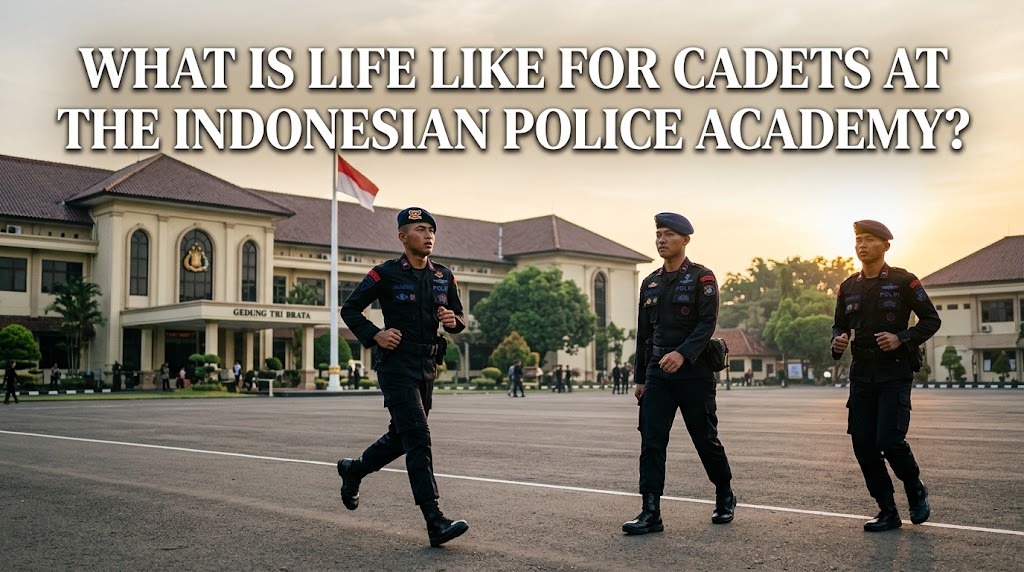
Life at the Indonesian Police Academy, known as Akademi Kepolisian or Akpol, is a combination of academic learning, physical training, character development, and strict discipline. Cadets prepare to become future officers of the Indonesian National Police by developing the knowledge, skills, and attitudes needed for professional law enforcement. Their daily routines are structured to encourage punctuality, responsibility, teamwork, and respect for rules.
Becoming a cadet requires more than passing an admission test. Students must adapt to a demanding educational environment, manage their time carefully, maintain physical fitness, and learn to work with others under pressure. Although the experience can be challenging, it also provides opportunities to develop leadership, confidence, and a strong sense of public service.
DAILY ROUTINES AND DISCIPLINE
Daily life at the Indonesian Police Academy follows an organized schedule that balances physical exercise, academic lessons, personal responsibilities, and institutional activities. Cadets are expected to wake up early, prepare themselves, maintain their living areas, and arrive at scheduled activities on time. Their routines encourage consistency and help them develop habits that are important in police service. Punctuality, neatness, and compliance with instructions are treated as essential aspects of their professional development. Learning to follow a structured schedule also helps cadets become more responsible for their actions.
Discipline extends beyond following a timetable. Cadets are expected to respect instructors, fellow students, academy regulations, and the responsibilities assigned to them. They learn that discipline involves self-control, honesty, and the ability to make appropriate decisions. Repeated practice helps these habits become part of their daily behavior. Over time, cadets are expected to apply the same discipline when facing academic assignments, physical challenges, and teamwork responsibilities.
ACADEMIC LEARNING AND CLASSROOM ACTIVITIES
Academic education is an important part of cadet life at Akpol. Cadets study subjects related to policing, criminal law, criminal investigation, public safety, leadership, and the legal responsibilities of police officers. They also learn about communication, ethics, and the relationship between law enforcement institutions and the community. Lessons may involve classroom discussions, individual assignments, case studies, and group projects. These activities help cadets understand how legal principles and professional knowledge are applied in real situations.
Cadets must manage their academic responsibilities while participating in physical training and other institutional activities. They need to develop effective study habits, understand complex information, and communicate their ideas clearly. Some assignments require them to analyze situations, consider relevant evidence, and explain their decisions logically. Learning to balance academic work with a demanding schedule can be difficult, especially for students who are adjusting to academy life for the first time. However, these experiences help prepare cadets for the intellectual demands of professional police work.
PHYSICAL TRAINING AND FITNESS DEVELOPMENT
Physical training helps cadets develop the strength, endurance, coordination, and stamina needed for police duties. Their activities may include running, strength exercises, fitness drills, swimming, and other structured physical exercises. Training programs are designed to encourage regular exercise and improve the ability to perform demanding tasks. Cadets are expected to follow instructions, maintain proper techniques, and make consistent efforts to improve their performance. Physical fitness also supports confidence and readiness for situations that require sustained effort.
Maintaining fitness requires more than completing scheduled exercises. Cadets must pay attention to nutrition, hydration, rest, and recovery to maintain their health. They may need to adjust to increasingly demanding exercises as their training progresses. Instructors help guide their development according to the applicable training program and safety requirements. Through regular practice, cadets learn persistence, self-discipline, and the importance of maintaining their physical condition throughout their future careers.
CHARACTER BUILDING AND PROFESSIONAL ETHICS
Character development is central to education at the Indonesian Police Academy. Cadets are expected to demonstrate honesty, responsibility, respect, and integrity in their daily activities. They learn that police officers must exercise authority within the law and treat members of the public fairly. Ethical education encourages them to understand the consequences of misconduct, abuse of authority, and conflicts of interest. These lessons help establish the professional standards expected of future police leaders.
Character building also takes place through everyday experiences. Cadets may be required to accept responsibility for mistakes, follow rules even when supervision is limited, and complete duties that demand patience. They learn to control their emotions, respond appropriately to criticism, and consider the effects of their actions on others. Instructors and senior personnel help reinforce expectations concerning conduct and accountability. Developing strong ethical principles is essential because public trust depends on police officers acting fairly, lawfully, and professionally.
TEAMWORK AND LEADERSHIP DEVELOPMENT
Teamwork is an important part of cadet life because police duties often require cooperation among individuals with different responsibilities. Cadets participate in group activities, coordinated training, and assignments that require them to communicate clearly and work toward shared goals. They learn to listen to others, follow agreed procedures, and support teammates when challenges arise. These experiences help them understand that successful teamwork depends on trust, accountability, and mutual respect. Cadets also learn that individual performance can affect the effectiveness of an entire team.
Leadership development prepares cadets to take responsibility and guide others appropriately. Depending on their assignments and training stage, they may have opportunities to coordinate activities, communicate instructions, or help organize group tasks. Effective leadership requires more than giving orders because leaders must also listen, evaluate situations, and consider the well-being of their teams. Cadets learn to make decisions within established rules and accept responsibility for the results. These skills are important for future officers who may eventually supervise personnel and coordinate police operations.
CHALLENGES AND ADAPTATION TO ACADEMY LIFE
Adjusting to life at Akpol can be challenging, particularly for cadets who are living away from their families for the first time. A structured schedule, demanding physical exercises, academic responsibilities, and strict regulations require significant adjustment. Cadets must learn to manage fatigue, organize their time, and remain focused even when they feel under pressure. They may also need to adapt to communal living and different personalities within their groups. These challenges encourage them to develop patience, resilience, and greater independence.
Adapting successfully requires a balanced approach to physical, academic, and emotional well-being. Cadets benefit from following instructions, seeking guidance from instructors, and communicating appropriately when they encounter difficulties. Building healthy habits and maintaining a consistent routine can make daily responsibilities easier to manage. They must also understand the importance of reporting injuries or health concerns through the appropriate channels. With proper support and consistent effort, cadets can gradually become more comfortable with the demands of academy life.
FRIENDSHIPS, SOCIAL LIFE, AND PERSONAL GROWTH
Cadets spend considerable time learning and completing activities alongside their fellow students. This shared experience can create strong friendships and a sense of belonging within the academy community. Living and training together gives them opportunities to understand different perspectives, resolve disagreements, and support one another. They also learn to respect differences while maintaining professional standards. These relationships can provide encouragement during difficult periods of training.
Personal growth also involves learning how to balance individual needs with collective responsibilities. Cadets may have limited opportunities for personal activities because their schedules are organized around education and training. They must therefore use available free time responsibly and maintain appropriate communication with family members. Learning to manage emotions, maintain relationships, and respond constructively to setbacks can strengthen their maturity. These experiences help cadets develop the interpersonal skills needed to serve diverse communities after graduation.
PREPARATION FOR A FUTURE POLICE CAREER
Life at Akpol is designed to prepare cadets for the responsibilities of becoming officers in the Indonesian National Police. Their education combines theoretical knowledge, physical development, ethical instruction, and practical training. Cadets learn about law enforcement procedures, public service, leadership, and the importance of protecting people's rights. Practical activities help them connect classroom learning with situations they may encounter in professional duties. The overall objective is to develop graduates who can perform their responsibilities competently and responsibly.
Preparation for a police career also involves understanding that authority must be exercised lawfully and with accountability. Cadets need to develop sound judgment, communicate effectively, and remain calm when handling difficult situations. They are expected to understand the importance of evidence, follow established procedures, and respect the rights of the public. Their development continues through assessment, feedback, and opportunities to improve their performance. After completing the prescribed education and meeting graduation requirements, graduates can proceed to their assigned roles according to the applicable regulations.
CONCLUSION
Life at the Indonesian Police Academy combines academic education, physical training, strict discipline, character building, and leadership development. Cadets face demanding schedules and must learn to balance their responsibilities while maintaining their physical and mental well-being. Through teamwork, ethical education, and practical learning, they develop skills that are important for professional police service. Although adapting to academy life can be difficult, the experience helps prepare cadets for the responsibilities of serving the public. Success requires consistent effort, integrity, resilience, and a willingness to keep learning.
Recent Posts

Bagaimana Sistem SKS pada Program Kuliah... 22.11.2026/57 View

How Does Technology Make Daily Evaluation... 21.11.2026/86 View

Apa Strategi Menghadapi Kesenjangan antara Kompetensi... 21.11.2026/84 View

Mengapa Inventaris Aset Penting bagi Kelancaran... 21.11.2026/82 View

When Should Musicians Join a Record... 21.11.2026/86 View
