

What Is School Zoning And How Is It Implemented?
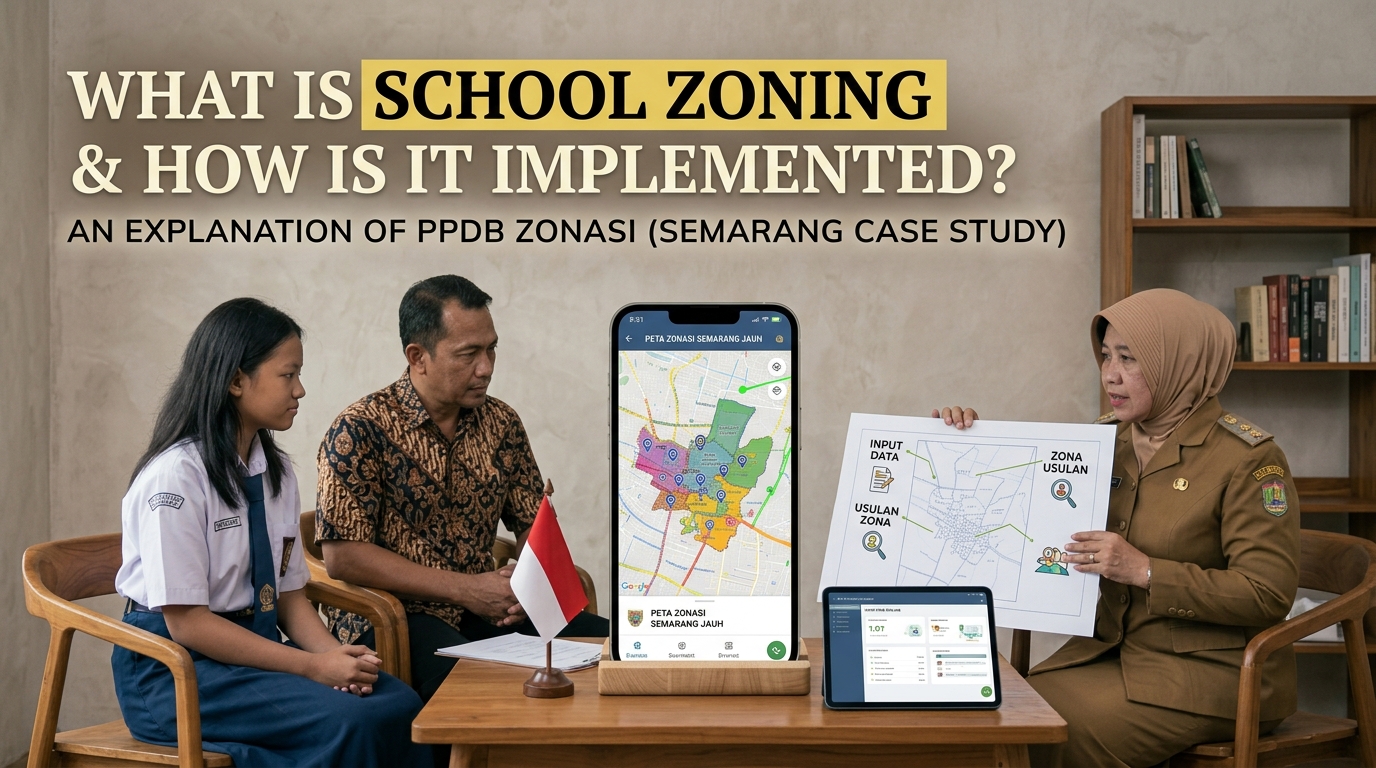
School zoning is an education policy that determines which schools students can attend based on where they live. This system is designed to make access to education more equitable, reduce long travel distances, and distribute students across schools more effectively. However, the implementation of school zoning varies between countries and depends on local education policies, school capacity, and community needs. Understanding how school zoning works can help parents, students, and educators recognize its benefits and challenges.
WHAT IS SCHOOL ZONING?
School zoning is a system that assigns students to public schools according to their residential location or designated school district. Under this system, each school usually serves students who live within a specific geographic area. The boundaries may be determined by local governments or education authorities based on population distribution, school facilities, and the number of available places.
The main purpose of school zoning is to provide students with fairer access to education and help schools manage enrollment. In some areas, students are given priority at their designated neighborhood school, although exceptions may apply. These exceptions can include special education programs, school transfers, or specific admission policies. Therefore, school zoning does not always mean that students are strictly prohibited from attending schools outside their residential area.
WHY IS SCHOOL ZONING IMPORTANT?
School zoning plays an important role in organizing public education and managing student enrollment. Without clear enrollment boundaries, some popular schools may receive more applicants than they can accommodate, while other schools may have fewer students. Zoning helps education authorities distribute students more systematically and plan the use of school facilities.
Another important benefit is the potential to reduce travel time and transportation costs for students who attend nearby schools. Shorter journeys can make daily school attendance more convenient and reduce the burden on families. School zoning may also support educational equity by encouraging students to attend schools within their communities. However, its effectiveness depends on the quality of local schools, the availability of facilities, and whether the policy considers differences in students' needs.
HOW IS SCHOOL ZONING IMPLEMENTED?
The implementation of school zoning generally begins with mapping residential areas and identifying the schools that serve each area. Education authorities collect information about population density, the number of school-age children, classroom capacity, and school locations. Based on this information, they establish geographic boundaries or enrollment zones for individual schools. These boundaries should be reviewed regularly because population growth and housing development can change the number of students living in an area.
After the zones are established, authorities publish admission requirements and explain how families can apply to schools. Parents may need to provide proof of residence, such as an official address document or other accepted evidence. Schools then verify the information and determine eligibility according to the applicable regulations. In some systems, students living within a designated zone receive priority, while students from outside the area may be accepted if places are available or special conditions are met.
THE ROLE OF GOVERNMENT AND EDUCATION AUTHORITIES
Government agencies and local education authorities are responsible for planning, regulating, and evaluating school zoning policies. Their responsibilities include setting enrollment rules, determining school boundaries, monitoring student distribution, and ensuring that schools have adequate resources. They must also communicate policy changes clearly so that parents understand the admission process and the documents required.
Effective implementation requires transparent regulations and reliable enrollment data. Authorities should provide accessible information about school locations, available places, admission schedules, and procedures for appeals or transfers. Cooperation between schools, local governments, and communities can help identify problems before they become serious. Regular evaluations are also necessary to determine whether zoning improves access to education or creates new barriers for certain groups of students.
THE BENEFITS OF SCHOOL ZONING
One major benefit of school zoning is that it can make student enrollment more organized and predictable. Schools can estimate the number of students they are likely to receive, allowing them to plan classrooms, teacher assignments, and learning materials more effectively. Families may also find it easier to identify nearby schools and prepare for admission.
School zoning can encourage more balanced student distribution when boundaries and school capacities are planned carefully. It may reduce pressure on overcrowded schools and support more efficient use of public education resources. In addition, attending a nearby school can help students maintain stronger connections with their local communities. Nevertheless, these benefits are not automatic and depend on consistent policy implementation and the availability of good-quality education across different areas.
CHALLENGES IN IMPLEMENTING SCHOOL ZONING
Despite its potential benefits, school zoning can create challenges when the quality of education differs significantly between schools. Families may prefer certain schools because of their facilities, teaching quality, academic programs, or reputation. If students are assigned primarily according to their residential location, some families may feel they have fewer educational choices.
Another challenge is unequal school capacity across residential areas. Some neighborhoods may have more school-age children than nearby schools can accommodate, while other areas may have sufficient places. Changes in population, inaccurate residential information, and limited transportation options can also complicate implementation. To address these issues, authorities need fair admission procedures, clear exceptions where appropriate, and ongoing improvements to schools that have fewer resources.
HOW CAN SCHOOL ZONING BE MADE MORE EFFECTIVE?
School zoning can be improved by ensuring that all schools provide accessible and quality education. Governments should invest in qualified teachers, suitable classrooms, learning materials, libraries, and other essential facilities, especially in underserved communities. When the quality gap between schools becomes smaller, families may have greater confidence in the zoning system.
Authorities should also use accurate population data and regularly review school boundaries to respond to changes in residential patterns. Clear communication is essential so that parents understand the rules, deadlines, and available options. Providing a fair appeals process can help families address exceptional circumstances without undermining the policy's objectives. Finally, governments should evaluate the policy using indicators such as enrollment distribution, school capacity, travel distance, and access for disadvantaged students.
SCHOOL ZONING IN DIFFERENT COUNTRIES
School zoning is not implemented in exactly the same way around the world. In some countries, public school admission is strongly linked to a student's residential address and local school district. In others, families may choose from several schools, with admission depending on capacity, academic programs, lotteries, or other selection criteria.
In Indonesia, the School Admission System, known as Sistem Penerimaan Murid Baru or SPMB, includes a zoning-based admission pathway called domisili for relevant public school admissions under the applicable national and regional rules. The specific requirements, admission pathways, and selection procedures can vary by education level and local regulations. Families should therefore consult official announcements from their local education office or the school concerned rather than assuming that the same rules apply everywhere. This approach helps parents obtain accurate information about eligibility, required documents, and admission schedules.
CONCLUSION
School zoning is a policy that organizes public school enrollment according to residential areas or designated geographic boundaries. Its main goals are to improve access to education, manage school capacity, and make enrollment more systematic. However, successful implementation requires accurate data, transparent regulations, adequate school facilities, and fair treatment of students from different backgrounds.
Ultimately, school zoning should be supported by efforts to improve educational quality across all schools. When education authorities regularly evaluate the policy and respond to community needs, zoning can become a more effective part of a fair and well-organized education system.
Recent Posts

Bagaimana Sistem SKS pada Program Kuliah... 22.11.2026/57 View

How Does Technology Make Daily Evaluation... 21.11.2026/86 View

Apa Strategi Menghadapi Kesenjangan antara Kompetensi... 21.11.2026/84 View

Mengapa Inventaris Aset Penting bagi Kelancaran... 21.11.2026/82 View

When Should Musicians Join a Record... 21.11.2026/86 View
