

What Is Sports Week and Why Is It Important for the Community?
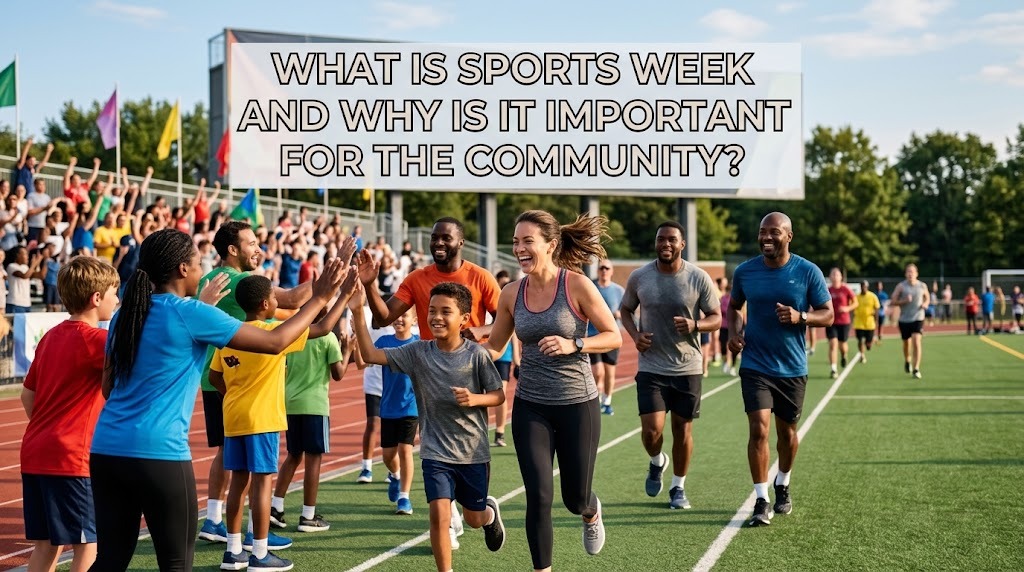
Sports Week is an event that brings people together through various sports competitions and physical activities. It can be organized by schools, universities, local communities, or government institutions to encourage a healthy lifestyle and strengthen social relationships. During this event, participants have opportunities to demonstrate their abilities, develop teamwork, and experience the excitement of friendly competition. Sports Week is not only about winning medals or achieving high scores but also about building discipline, sportsmanship, and mutual respect. By involving people from different backgrounds, this event can create a stronger, healthier, and more connected community.
UNDERSTANDING THE MEANING OF SPORTS WEEK
Sports Week is an organized event that features different sporting activities over several days. The activities may include football, badminton, basketball, volleyball, running, swimming, and traditional sports, depending on the facilities and interests of the participants. Some events focus on professional competition, while others prioritize participation, recreation, and community involvement. Schools may organize Sports Week to encourage students to stay active, while local governments may use it to promote public health and community engagement. Through these activities, Sports Week provides an opportunity for people of different ages and abilities to enjoy sports in a supportive environment.
WHY SPORTS WEEK IS IMPORTANT FOR THE COMMUNITY
Sports Week is important because it creates opportunities for community members to interact and develop stronger relationships. People who rarely communicate in their daily lives can meet, cooperate, and support one another during sporting activities. This interaction can reduce social barriers and encourage a greater sense of belonging. Sports Week also promotes physical activity, helping people understand the importance of maintaining an active lifestyle. When community members participate together, the event can strengthen unity, encourage positive habits, and create shared experiences that benefit the community beyond the competition itself.
PROMOTING HEALTH AND PHYSICAL FITNESS
One of the main benefits of Sports Week is its ability to encourage people to exercise regularly. Physical activities such as running, cycling, swimming, and playing team sports can improve cardiovascular health, muscle strength, coordination, and endurance. Regular exercise can also help reduce stress and support mental well-being. Sports Week introduces participants to enjoyable ways of staying active, making exercise feel less like a responsibility and more like a social activity. Although a single event cannot replace consistent physical activity, it can motivate people to continue exercising after the program ends. Organizers should also provide appropriate facilities, hydration, rest periods, and safety measures to protect participants.
BUILDING TEAMWORK AND SPORTSMANSHIP
Sports Week teaches participants how to work together toward a shared goal. In team sports, players must communicate clearly, respect different opinions, and understand their individual responsibilities. These experiences help develop cooperation, leadership, and problem-solving skills that are useful in everyday life. Sportsmanship is equally important because participants learn to follow rules, accept results fairly, and respect opponents regardless of the outcome. Winning can be rewarding, but losing also provides valuable lessons about patience, resilience, and personal improvement. By emphasizing fair play rather than victory alone, Sports Week can encourage positive behavior among participants and spectators.
STRENGTHENING SOCIAL RELATIONSHIPS AND COMMUNITY UNITY
Sports Week can bring together residents, students, teachers, parents, volunteers, and local organizations in a shared activity. Preparing competitions and supporting participants encourages communication between people who might not normally interact. Community members can contribute by organizing events, providing equipment, managing facilities, or cheering for their teams. These shared responsibilities create opportunities to build trust and strengthen relationships. Inclusive activities can also help people from different backgrounds feel welcomed and valued. When everyone has an opportunity to participate, Sports Week becomes more than a sporting event because it helps develop a stronger sense of community identity and togetherness.
DEVELOPING YOUNG PEOPLE AND LOCAL TALENT
Sports Week provides young people with opportunities to discover their interests and improve their sporting abilities. Students and amateur athletes can practice their skills, learn competition rules, and gain experience performing in front of an audience. Coaches and organizers may identify promising athletes who could benefit from further training or participation in larger competitions. Beyond athletic performance, young participants can develop confidence, discipline, time management, and responsibility. These skills are valuable in education, employment, and personal development. However, organizers should ensure that young athletes receive appropriate guidance and that competition remains safe, enjoyable, and suitable for their age and abilities.
SUPPORTING THE LOCAL ECONOMY AND COMMUNITY PARTICIPATION
A well-organized Sports Week can provide economic opportunities for local businesses and small enterprises. Visitors and participants may purchase food, drinks, sports equipment, transportation services, and other products from nearby vendors. Organizers may also work with local sponsors, sports clubs, and community organizations to support the event. These partnerships can create opportunities for cooperation and increase public interest in local activities. However, economic benefits depend on the event's scale, attendance, spending patterns, and management. To ensure that the event benefits the wider community, organizers should consider local suppliers, transparent budgeting, accessible participation fees, and responsible use of public facilities.
HOW TO ORGANIZE A SUCCESSFUL AND INCLUSIVE SPORTS WEEK
A successful Sports Week begins with clear objectives, careful planning, and cooperation among organizers and community members. The planning team should choose suitable sports, establish competition rules, prepare a realistic budget, and arrange appropriate venues and equipment. Safety measures should include first aid, emergency procedures, proper supervision, and suitable facilities for participants. Organizers should also provide activities for different age groups and abilities so that the event does not exclude people who are beginners or have disabilities. Promoting the event through schools, community groups, and social media can help attract participants and volunteers. After the event, collecting feedback and evaluating participation can help organizers improve future Sports Week programs and make them more beneficial to the community.
CONCLUSION
Sports Week is an important community event that promotes physical fitness, teamwork, sportsmanship, and social unity. It gives people opportunities to develop athletic skills, build meaningful relationships, and participate in activities that support a healthier lifestyle. The event can also encourage youth development, strengthen cooperation between local organizations, and create economic opportunities for nearby businesses. To achieve these benefits, Sports Week should be planned carefully, prioritize safety, and provide equal opportunities for participation. With strong community support and inclusive activities, Sports Week can become a valuable tradition that brings people together and improves community well-being.
Recent Posts

Bagaimana Sistem SKS pada Program Kuliah... 22.11.2026/54 View

How Does Technology Make Daily Evaluation... 21.11.2026/83 View

Apa Strategi Menghadapi Kesenjangan antara Kompetensi... 21.11.2026/82 View

Mengapa Inventaris Aset Penting bagi Kelancaran... 21.11.2026/78 View

When Should Musicians Join a Record... 21.11.2026/84 View
