

What Is the Connection Between Cultural Heritage and Local Tourism?
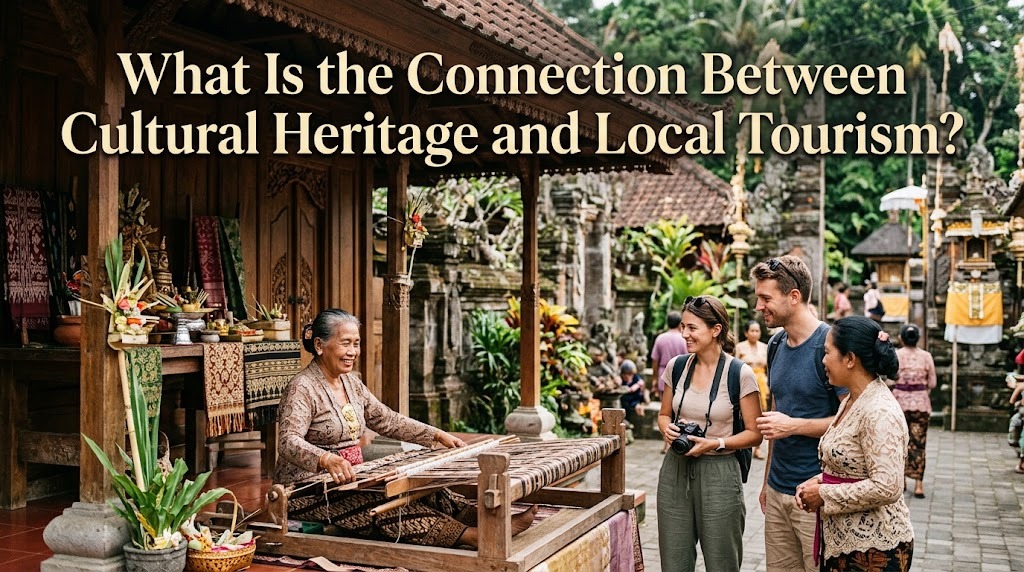
Cultural heritage and local tourism are closely connected because traditions, historical sites, and local customs can attract visitors while supporting community development. Cultural heritage includes historical buildings, traditional clothing, local languages, regional cuisine, music, dances, crafts, and ceremonies passed down through generations. These cultural elements give each destination a distinctive identity and help visitors understand its history and way of life.
Local tourism allows people to explore cultural attractions within their own country or region. When visitors experience traditional festivals, visit historical landmarks, or purchase locally made crafts, they help create economic opportunities for residents. At the same time, tourism can encourage communities to preserve their cultural heritage. When managed responsibly, this relationship can benefit local economies while protecting traditions for future generations.
CULTURAL HERITAGE ATTRACTS LOCAL TOURISTS
Cultural heritage gives destinations unique attractions that encourage people to travel and explore new places. Historical monuments, traditional villages, museums, cultural performances, and local festivals offer experiences connected to a community's history and identity. These attractions can appeal to visitors who want to learn about regional traditions rather than simply enjoy recreational activities. Cultural experiences also help tourists develop a deeper appreciation of the places they visit.
In Indonesia, destinations such as Yogyakarta attract visitors through historical landmarks, traditional batik workshops, and Javanese cultural performances. Tourists can explore heritage sites while learning about local customs and artistic traditions. These experiences make travel more educational and memorable. They can also encourage visitors to explore nearby attractions, extending the benefits of tourism to surrounding communities.
SUPPORTING THE LOCAL ECONOMY
Cultural heritage can create economic opportunities by attracting visitors who spend money on transportation, accommodation, food, souvenirs, and guided tours. This spending supports local businesses, artisans, restaurant owners, drivers, and tourism workers. Traditional crafts and regional products can also reach new customers through cultural tourism. As a result, tourism can contribute to employment and income generation within local communities.
For example, visitors who participate in traditional pottery workshops or purchase handmade batik provide income for local craftspeople. Cultural festivals can also benefit food vendors, performers, and small businesses. However, economic benefits are more meaningful when local residents receive a fair share of tourism revenue. Supporting community-owned businesses helps ensure that tourism contributes to local development rather than benefiting only large outside companies.
PRESERVING LOCAL TRADITIONS AND CULTURAL IDENTITY
Local tourism can encourage communities to maintain traditional practices by creating opportunities for people to share their heritage with visitors. Traditional dances, music, crafts, ceremonies, and regional cuisine may receive greater attention when tourists show interest in them. This interest can motivate younger generations to learn from older community members. Tourism-related income can also help fund cultural activities and support traditional artists.
However, traditions should not be preserved solely to entertain visitors. Cultural practices have meanings and purposes that may extend beyond tourism, including religious beliefs, community relationships, and historical values. Communities should have the opportunity to decide how their traditions are presented and which practices can be shared publicly. Respecting these decisions helps protect cultural authenticity and allows heritage to remain meaningful to local people.
CREATING EDUCATIONAL AND CULTURAL EXPERIENCES
Cultural tourism provides opportunities for visitors to learn about local history, values, and ways of life. Visiting museums, historical buildings, and traditional settlements can help tourists understand how communities developed over time. Guided tours and cultural workshops provide additional information that may not be available through ordinary sightseeing. These experiences can increase appreciation for cultural diversity and encourage responsible travel.
For instance, a batik workshop can teach visitors about wax-resist techniques, traditional patterns, and the skills required to produce handmade textiles. A visit to a historical site can explain its architectural features and role in regional history. These activities turn tourism into a learning experience rather than simply an opportunity to take photographs. They can also encourage visitors to respect local customs and support cultural preservation.
PROMOTING LOCAL PRODUCTS AND CREATIVE INDUSTRIES
Cultural heritage often inspires local products that reflect the identity and creativity of a region. Traditional textiles, handicrafts, pottery, wood carvings, jewelry, and regional foods can become important parts of the tourism experience. Visitors may purchase these products as souvenirs or gifts, creating additional income for local producers. This demand can help traditional skills remain economically valuable.
Local tourism can also encourage artisans to develop new products inspired by traditional designs. When done respectfully, this can connect cultural heritage with modern markets and provide opportunities for younger craftspeople. Nevertheless, producers should maintain quality, acknowledge cultural origins, and avoid misleading visitors about how products are made. Supporting authentic local products helps preserve traditional knowledge while strengthening the local creative economy.
MANAGING THE NEGATIVE IMPACTS OF TOURISM
Although tourism can benefit cultural heritage, poorly managed visitor activities may cause serious problems. Large crowds can damage historic structures, increase waste, and place pressure on local infrastructure. Commercial development may also change traditional neighborhoods or make daily life more expensive for residents. In some cases, cultural practices may be simplified or altered mainly to satisfy tourist expectations.
These risks can be reduced through responsible tourism planning. Local authorities can manage visitor numbers, establish conservation guidelines, improve waste management, and protect culturally sensitive areas. Tourism businesses should cooperate with residents and respect community needs when organizing activities. Visitors can contribute by following local rules, avoiding damage to heritage sites, and purchasing products from responsible local businesses.
STRENGTHENING COOPERATION BETWEEN COMMUNITIES AND TOURISM BUSINESSES
A strong relationship between cultural heritage and local tourism depends on cooperation among residents, government agencies, cultural organizations, and tourism businesses. Local communities understand their traditions and can help determine how heritage should be protected and presented. Tourism operators can provide services, promote attractions, and connect visitors with local cultural experiences. Governments can support these efforts through infrastructure, conservation funding, training, and appropriate regulations.
Community participation helps ensure that tourism development reflects local priorities. Residents can take part in managing cultural attractions, organizing festivals, offering guided tours, and producing traditional crafts. Training programs can help local businesses improve service quality while respecting cultural values. When tourism benefits are shared fairly and preservation remains a priority, communities can develop tourism in a way that supports both economic well-being and cultural continuity.
CONCLUSION
Cultural heritage and local tourism are connected because heritage attracts visitors, creates economic opportunities, and provides meaningful cultural experiences. Tourism can support local businesses, promote traditional products, and encourage communities to preserve their history and customs. At the same time, cultural heritage gives local tourism a distinctive identity that helps destinations stand out.
However, tourism must be managed carefully to prevent damage to historical sites, cultural traditions, and community life. Cooperation between local residents, governments, businesses, and visitors is essential for achieving sustainable results. By protecting cultural authenticity and ensuring that local communities benefit, cultural heritage and local tourism can support each other for generations to come.
Recent Posts

Bagaimana Sistem SKS pada Program Kuliah... 22.11.2026/49 View

How Does Technology Make Daily Evaluation... 21.11.2026/76 View

Apa Strategi Menghadapi Kesenjangan antara Kompetensi... 21.11.2026/78 View

Mengapa Inventaris Aset Penting bagi Kelancaran... 21.11.2026/74 View

When Should Musicians Join a Record... 21.11.2026/78 View
