

What Is the Connection Between Musical Intelligence and Emotional Intelligence?
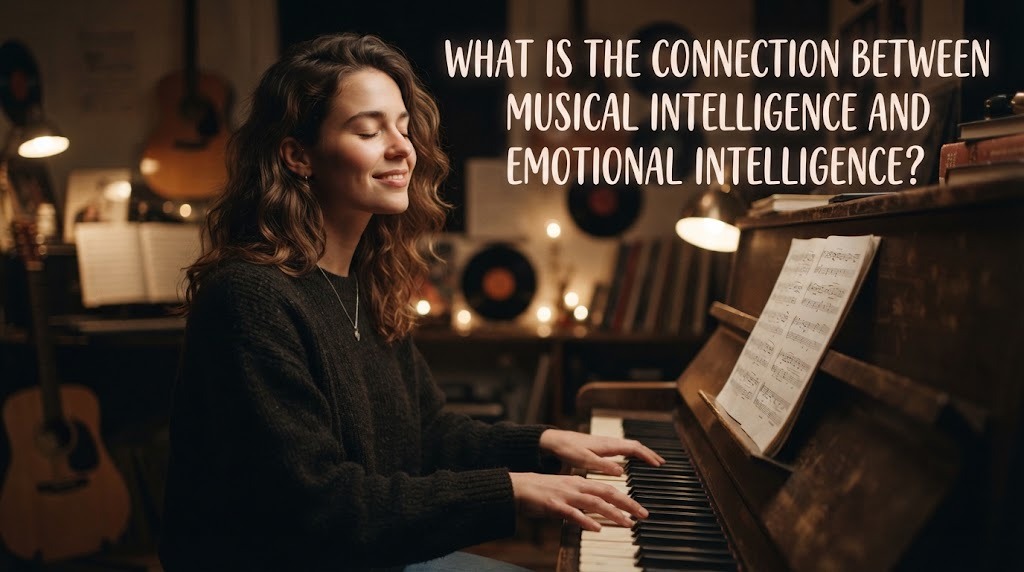
Musical intelligence and emotional intelligence are two abilities that can influence how people understand themselves and interact with the world around them. Musical intelligence involves recognizing, understanding, and creating musical patterns, while emotional intelligence refers to recognizing, understanding, and managing emotions in oneself and others. Although these abilities are different, they can be connected through listening, emotional expression, and social interaction.
Music often communicates feelings through melody, rhythm, tempo, and changes in sound. When people listen to music, they may recognize emotions such as happiness, sadness, excitement, or calmness. These experiences can encourage them to reflect on their own feelings and become more aware of other people's emotional expressions. Understanding the relationship between musical intelligence and emotional intelligence can help students explore creativity, emotional awareness, and communication in everyday life.
WHAT IS MUSICAL INTELLIGENCE AND EMOTIONAL INTELLIGENCE?
Musical intelligence is the ability to recognize, understand, remember, and create sounds, rhythms, melodies, and musical patterns. People who demonstrate this ability may notice changes in pitch, identify different instruments, remember melodies easily, or enjoy creating music. Musical intelligence is not limited to professional musicians because it can also appear in everyday activities, such as recognizing familiar songs or following a rhythm. It can develop through listening, practice, musical education, and exposure to different types of music.
Emotional intelligence is the ability to recognize emotions, understand their causes, regulate emotional responses, and respond appropriately to other people's feelings. Someone with emotional intelligence may recognize when they are becoming frustrated, communicate their feelings clearly, or consider another person's perspective during a disagreement. These skills can support relationships, decision-making, and personal development. Although musical and emotional intelligence involve different abilities, both can include careful observation, sensitivity to patterns, and awareness of experiences that are not always expressed directly through words.
HOW DOES MUSIC HELP PEOPLE RECOGNIZE EMOTIONS?
Music can communicate emotional qualities through several elements, including tempo, rhythm, melody, harmony, and volume. Fast rhythms and bright melodies may create a sense of excitement, while slower music and softer sounds may feel calming or reflective. Changes in musical dynamics can also influence how listeners interpret a piece of music. By paying attention to these features, people can practice identifying emotional qualities in sounds and exploring how different musical elements contribute to an overall feeling.
However, the emotions people experience while listening to music are not always the same. A particular song may remind one person of a happy memory but make another person feel sad because of a different personal experience. Cultural background, individual preferences, and the context in which music is heard can also influence emotional interpretation. Therefore, music can provide opportunities to explore emotions, but it should not be treated as a reliable way to determine exactly how another person feels.
HOW CAN MUSICAL INTELLIGENCE SUPPORT EMOTIONAL AWARENESS?
Musical activities can encourage people to pay closer attention to their feelings. For example, listening to a calm melody may help someone notice that they feel relaxed, while a powerful song may bring attention to feelings of excitement or sadness. Reflecting on these reactions can help individuals identify emotional experiences that they might otherwise overlook. Keeping a journal about the music they listen to and the feelings it brings up can also encourage students to describe their emotions more clearly.
Creating music can provide another way to explore and express feelings. Students who write lyrics, compose melodies, or play an instrument may use music to communicate experiences that are difficult to explain in ordinary conversation. This process can support self-reflection and emotional expression, particularly when students have a safe and supportive environment. Nevertheless, musical activity alone does not guarantee stronger emotional intelligence. People also need to practice naming their emotions, understanding their causes, and choosing appropriate ways to respond to them.
WHAT IS THE ROLE OF EMPATHY IN MUSICAL AND EMOTIONAL INTELLIGENCE?
Empathy is the ability to understand or consider another person's feelings and perspective. It can connect musical intelligence with emotional intelligence when people listen to music and try to understand the experiences or emotions being expressed. For example, students who explore songs from different cultures may learn about the traditions, values, and experiences represented in the music. Discussing the possible meanings of a song can encourage them to consider perspectives that differ from their own.
Group musical activities can also create opportunities to practice empathy. When students sing in a choir or play in an ensemble, they need to listen to others, adjust their timing, and contribute to a shared performance. These experiences can encourage cooperation and awareness of other people's contributions. However, empathy does not develop automatically through music alone. It becomes more meaningful when musical activities are combined with reflection, respectful discussion, and opportunities to understand how others may experience the same situation differently.
HOW CAN STUDENTS DEVELOP BOTH TYPES OF INTELLIGENCE?
Students can explore musical and emotional intelligence through simple activities that combine listening, reflection, and communication. They might listen to a song and describe its rhythm, melody, and emotional atmosphere before discussing why it creates that impression. They can also compare how different people interpret the same song and recognize that emotional responses may vary. Such activities encourage careful listening, thoughtful observation, and respect for different perspectives.
Learning an instrument, writing lyrics, joining a choir, or participating in a music group can provide additional opportunities to develop musical skills. Students can also strengthen emotional intelligence by identifying their feelings, considering the reasons behind them, and practicing calm communication during disagreements. After a musical activity, they might reflect on what they felt, what they learned, and how other participants contributed to the experience. Combining these practices can support personal growth, although progress depends on consistent effort and experiences beyond music as well.
WHAT ARE THE BENEFITS OF CONNECTING MUSICAL AND EMOTIONAL INTELLIGENCE?
The connection between musical and emotional intelligence can offer several opportunities for personal development. Music can provide an enjoyable way to explore feelings, while emotional awareness can help people understand their reactions to different musical experiences. Together, these activities may support self-expression, reflection, and communication. For students, they can also create opportunities to participate in creative projects and discuss emotions in a more comfortable setting.
This connection may also be useful in social situations. Students who participate in group music activities can practice listening carefully, respecting others, and working toward shared goals. Reflecting on the emotional meaning of music can encourage thoughtful conversations about different experiences and perspectives. Still, the benefits depend on how the activities are used, and music should not be viewed as a substitute for direct communication or professional support when someone experiences serious emotional difficulties. The most valuable approach is to use music alongside practical emotional and social skills.
CONCLUSION
Musical intelligence and emotional intelligence are different abilities that can complement each other. Musical intelligence helps people recognize and create sounds and musical patterns, while emotional intelligence supports the recognition, understanding, and management of emotions. Music can provide opportunities to explore feelings, express personal experiences, and consider other people's perspectives.
Students can develop these abilities through listening activities, musical practice, creative projects, and thoughtful reflection. Although music does not automatically improve emotional intelligence, it can be a useful tool when combined with emotional awareness, empathy, and effective communication. By exploring both abilities, students can enrich their creative experiences and build skills that support personal growth and social relationships.
Recent Posts

Bagaimana Sistem SKS pada Program Kuliah... 22.11.2026/27 View

How Does Technology Make Daily Evaluation... 21.11.2026/65 View

Apa Strategi Menghadapi Kesenjangan antara Kompetensi... 21.11.2026/65 View

Mengapa Inventaris Aset Penting bagi Kelancaran... 21.11.2026/62 View

When Should Musicians Join a Record... 21.11.2026/63 View
