

What Is the Connection Between School Health Programs and Children's Healthy Habits?
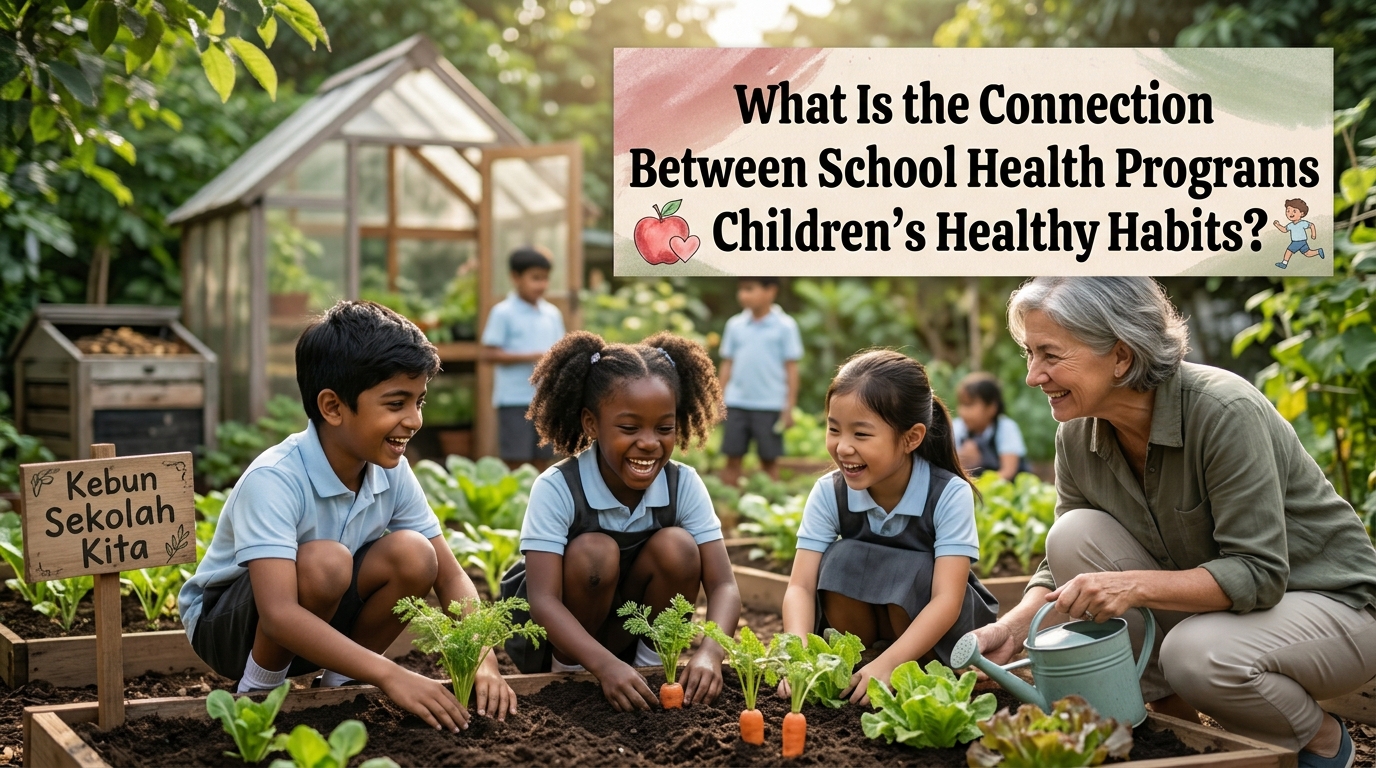
Developing healthy habits during childhood is essential for supporting children's growth, physical development, and overall well-being. During their school years, children spend a significant amount of time learning, interacting with friends, and participating in various activities. These experiences influence how they understand health and develop daily behaviors. One important factor that helps shape these behaviors is the School Health Program, which provides health education, basic health services, and a supportive environment for students.
School health programs and children's healthy habits are closely connected because schools provide opportunities for children to learn and practice healthy behaviors consistently. Through activities such as handwashing education, balanced nutrition campaigns, physical exercise, and personal hygiene practices, students can develop positive routines from an early age. These habits can continue beyond the classroom and become part of their daily lives. Understanding this connection helps schools, teachers, and parents work together to build healthier generations.
1. SCHOOL HEALTH PROGRAMS HELP CHILDREN UNDERSTAND THE IMPORTANCE OF HEALTH
One of the main connections between school health programs and children's healthy habits is health education. Children need accurate and age-appropriate information to understand how daily activities affect their health. School health programs introduce important topics such as personal hygiene, nutrition, physical activity, disease prevention, and environmental cleanliness. Through these lessons, students learn why maintaining good health is important for their growth and development.
For example, teachers can explain why children should wash their hands before eating, brush their teeth regularly, consume nutritious food, and maintain clean surroundings. These lessons help students understand the benefits of healthy behaviors rather than simply following instructions. When children receive health information regularly, they become more aware of their responsibilities in maintaining their own well-being. This knowledge provides a foundation for developing positive health habits.
2. ENCOURAGING PERSONAL HYGIENE FROM AN EARLY AGE
Personal hygiene is one of the most important healthy habits that children can develop through school health programs. Schools provide daily opportunities for students to practice simple activities such as washing their hands, brushing their teeth, keeping their uniforms clean, and maintaining personal cleanliness. These routines help children understand that hygiene is an essential part of protecting their health.
School health programs can introduce practical demonstrations and regular reminders to strengthen these behaviors. For example, teachers can demonstrate the correct steps of handwashing and explain when students should wash their hands. Schools can also provide clean toilets, sufficient water, and accessible handwashing facilities. With consistent guidance and practice, children are more likely to develop personal hygiene habits that they can maintain at home and in their communities.
3. BUILDING HEALTHY EATING HABITS THROUGH NUTRITION EDUCATION
School health programs also play an important role in shaping children's eating habits. Proper nutrition is essential for children's growth, brain development, energy levels, and immune function. However, some children may not understand the importance of eating a balanced diet or choosing nutritious foods. Through nutrition education, schools can introduce students to healthy food choices and explain the benefits of different food groups.
For example, students can learn about fruits, vegetables, protein sources, whole grains, and the importance of drinking enough water. Schools can organize healthy food campaigns, nutrition demonstrations, and educational activities that encourage better food choices. They can also promote healthy school canteens by making nutritious food and safe drinking water more accessible. These efforts help children develop balanced eating habits that support their long-term health.
4. PROMOTING REGULAR PHYSICAL ACTIVITY
Regular physical activity is another important habit that school health programs can encourage. Children need sufficient movement to support healthy growth, strengthen muscles and bones, improve cardiovascular fitness, and maintain overall physical well-being. Schools provide suitable opportunities for students to stay active through physical education, sports, outdoor games, and other movement-based activities.
By participating in these activities, children can learn that exercise is not only part of school lessons but also an enjoyable way to maintain health. Teachers can encourage students to participate in activities according to their abilities and interests. Schools can also organize group exercise, walking activities, and sports competitions to increase motivation. Consistent opportunities for movement help children develop active lifestyles that can continue as they grow older.
5. PREVENTING DISEASES THROUGH HEALTHY DAILY ROUTINES
School health programs help children understand how healthy daily routines can reduce the risk of certain infectious diseases and other health problems. Schools are shared environments where students interact closely, making hygiene and preventive behaviors especially important. Without proper habits, illnesses can spread more easily through contaminated hands, shared surfaces, and respiratory droplets.
To reduce these risks, schools can promote regular handwashing, proper cough and sneeze etiquette, safe food practices, and clean surroundings. Students can also learn to recognize when they feel unwell and understand the importance of informing teachers or parents. These preventive practices help children become more responsible for their health and the well-being of others. Over time, disease prevention habits can become part of their everyday routines.
6. DEVELOPING MENTAL HEALTH AWARENESS AND EMOTIONAL WELL-BEING
Healthy habits are not limited to physical activities and personal hygiene. Children's mental and emotional well-being is also an important part of healthy development. School health programs can introduce age-appropriate education about recognizing emotions, managing stress, building positive relationships, and seeking help when needed.
Teachers can support these efforts by creating a safe and respectful classroom environment where students feel comfortable expressing their concerns. Activities such as group discussions, positive communication exercises, and social-emotional learning can help children develop emotional awareness. Schools should also provide appropriate referral pathways when students need additional support from qualified professionals. Through these efforts, children can develop healthy emotional habits that support their confidence, relationships, and overall well-being.
7. CREATING A SCHOOL ENVIRONMENT THAT SUPPORTS HEALTHY BEHAVIORS
A supportive school environment makes it easier for children to practice what they learn through health education. Even when students understand the importance of cleanliness and healthy eating, they may struggle to apply these behaviors if the necessary facilities are unavailable. Therefore, school health programs should be supported by clean classrooms, proper sanitation, safe drinking water, and accessible facilities for physical activities.
For example, schools can provide handwashing stations with soap, maintain clean toilets, encourage proper waste disposal, and ensure that playgrounds are safe. School canteens should also follow appropriate food hygiene standards and offer nutritious options. When the school environment supports healthy choices, students can practice positive behaviors more consistently. This demonstrates that a healthy school environment is essential for turning health knowledge into daily habits.
8. BUILDING DISCIPLINE AND RESPONSIBILITY THROUGH DAILY PRACTICE
School health programs can help children develop discipline and personal responsibility by encouraging consistent healthy routines. Children gradually learn that maintaining health requires regular actions rather than occasional activities. For instance, washing hands before meals, drinking enough water, keeping personal belongings clean, and participating in physical activities require consistency.
Teachers can strengthen these habits by incorporating simple health routines into everyday school activities. Students can also be given responsibilities, such as keeping their classroom clean, maintaining personal hygiene, and participating in environmental programs. Positive reminders and encouragement help children understand the value of taking responsibility for their own behavior. Over time, these routines can become lifelong healthy habits that support their independence and well-being.
9. STRENGTHENING THE ROLE OF TEACHERS AND PARENTS
The development of children's healthy habits requires cooperation between schools and families. Teachers play an important role because they guide students, provide health information, and encourage positive behaviors during school activities. Parents also influence children's habits through daily routines at home, including food choices, sleep schedules, personal hygiene, and physical activity.
When teachers and parents provide consistent guidance, children receive stronger support in practicing healthy behaviors. For example, schools can organize parent meetings, share health education materials, and encourage families to prepare nutritious meals at home. Parents can also reinforce lessons about handwashing, exercise, and adequate sleep. Cooperation between schools and families helps ensure that healthy habits are practiced consistently in different environments.
10. MAKING HEALTHY HABITS PART OF CHILDREN'S DAILY LIVES
The ultimate goal of school health programs is not simply to provide health information but to help children apply that knowledge in their everyday activities. Healthy behaviors become more meaningful when students practice them regularly and understand their benefits. Schools should therefore integrate health education into classroom lessons, extracurricular activities, school routines, and the overall learning environment.
For example, students can practice handwashing before eating, choose nutritious meals, participate in regular physical activity, and keep their surroundings clean. Teachers can provide positive feedback to encourage consistency and help students recognize their progress. Schools should also evaluate their health programs to identify which activities effectively support changes in knowledge and behavior. With continuous guidance, children have a better opportunity to develop sustainable healthy lifestyles.
HOW CAN SCHOOLS STRENGTHEN THE CONNECTION BETWEEN HEALTH PROGRAMS AND HEALTHY HABITS?
To make school health programs more effective, schools need to ensure that health education is supported by practical activities and consistent daily routines. Students should not only receive information but also have opportunities to apply what they learn. The involvement of teachers, parents, healthcare professionals, and the school community is equally important.
Here are several practical strategies schools can implement:
- Provide Regular Health Education: Introduce age-appropriate lessons about hygiene, nutrition, physical activity, and disease prevention.
- Organize Practical Activities: Conduct handwashing demonstrations, healthy eating campaigns, sports activities, and environmental programs.
- Improve School Facilities: Provide clean toilets, safe drinking water, handwashing stations, and appropriate exercise areas.
- Encourage Healthy Food Choices: Promote nutritious meals and improve the availability of healthy food in school canteens.
- Develop Daily Health Routines: Include simple hygiene and physical activity practices in students' everyday schedules.
- Involve Parents: Encourage families to reinforce healthy behaviors outside school.
- Train Teachers: Provide appropriate training so teachers can deliver accurate health education and support student well-being.
- Monitor Student Progress: Evaluate participation, health knowledge, and the development of positive behaviors regularly.
The key is to maintain these activities consistently. When healthy practices become part of school culture, children can develop positive behaviors more naturally and understand that taking care of their health is a lifelong responsibility.
CONCLUSION
School health programs have a strong connection with children's healthy habits because they provide the knowledge, guidance, facilities, and daily experiences needed to develop positive behaviors. Through health education, personal hygiene activities, nutrition campaigns, physical exercise, and disease prevention programs, children learn how to protect and maintain their health.
However, the success of these programs depends on consistent implementation and cooperation between schools and families. Teachers, parents, healthcare professionals, and school administrators must work together to create an environment that encourages healthy choices. Ultimately, effective school health programs do more than improve students' health awareness. They help children develop healthy habits that can become part of their daily lives and continue into adulthood.
Recent Posts

Bagaimana Sistem SKS pada Program Kuliah... 22.11.2026/35 View

How Does Technology Make Daily Evaluation... 21.11.2026/69 View

Apa Strategi Menghadapi Kesenjangan antara Kompetensi... 21.11.2026/69 View

Mengapa Inventaris Aset Penting bagi Kelancaran... 21.11.2026/67 View

When Should Musicians Join a Record... 21.11.2026/68 View
