

What Is the Connection Between Stress and Physical Health?
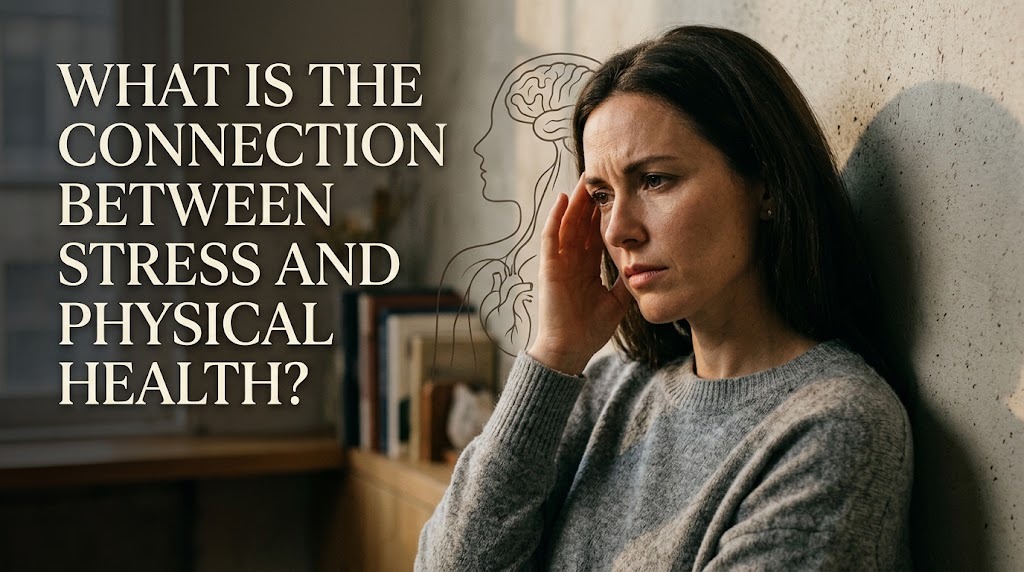
Stress is a natural response to challenging situations, such as school assignments, work responsibilities, financial concerns, or personal problems. In small amounts, stress can help people stay alert and respond to challenges. However, when stress becomes intense or continues for a long time, it can affect both mental and physical health.
The body responds to stress through changes in hormones, heart rate, breathing, and muscle tension. These reactions can be useful in the short term, but prolonged activation may interfere with normal body functions. Understanding the connection between stress and physical health can help people recognize warning signs and develop healthier coping strategies.
HOW STRESS AFFECTS THE BODY
When someone experiences stress, the brain activates systems that prepare the body to respond to a perceived threat. Stress hormones, including adrenaline and cortisol, help regulate alertness, energy availability, and other bodily functions. Heart rate and breathing may increase, while muscles become more tense.
These responses are part of the body's natural survival mechanism. Once the stressful situation passes, the body usually begins returning to its normal state. Problems may arise when stress occurs repeatedly or recovery time is insufficient, allowing physical tension and stress-related symptoms to persist.
THE CONNECTION BETWEEN STRESS AND HEART HEALTH
Stress can temporarily increase heart rate and blood pressure. This response helps the body prepare for action, but repeated or prolonged stress may contribute to cardiovascular risk, particularly when combined with other risk factors such as smoking, physical inactivity, or an unhealthy diet.
Stress may also influence heart health indirectly by affecting everyday habits. For example, a person experiencing persistent pressure might sleep poorly, exercise less, or rely on unhealthy foods. Managing stress through healthy routines can support cardiovascular health, although it does not replace medical care for high blood pressure or other heart conditions.
WHY STRESS CAN CAUSE MUSCLE TENSION AND PAIN
Muscle tension is a common physical response to stress. When people feel anxious or overwhelmed, they may unconsciously tighten their shoulders, neck, jaw, or back. If this tension continues, it can contribute to discomfort, stiffness, and headaches.
Stress can also influence how the nervous system processes pain. People who already experience conditions such as migraines or chronic back pain may notice that their symptoms become more difficult to manage during stressful periods. Gentle stretching, regular movement, relaxation exercises, and adequate rest may help reduce tension.
THE EFFECTS OF STRESS ON DIGESTION
The digestive system communicates with the brain through complex nerve pathways and chemical signals. Stress can affect this communication, potentially changing appetite, bowel movements, and digestive comfort. Some people experience nausea, stomach discomfort, constipation, or diarrhea when under pressure.
Stress may also worsen symptoms in people with certain digestive conditions, including irritable bowel syndrome. However, digestive symptoms can have many causes, so they should not automatically be attributed to stress. Persistent, severe, or unexplained symptoms require appropriate medical evaluation.
HOW STRESS INFLUENCES THE IMMUNE SYSTEM
The body's stress response interacts with the immune system, which helps protect against infections and supports tissue repair. Short-term stress can produce temporary changes in immune activity. In contrast, prolonged stress may disrupt immune regulation and contribute to inflammatory processes.
Chronic stress can also affect behaviors that support immune function, including sleep, nutrition, and physical activity. These combined effects may make it harder for the body to maintain overall well-being. Managing stress is therefore one part of a broader approach that includes balanced nutrition, sufficient sleep, and recommended preventive healthcare.
THE RELATIONSHIP BETWEEN STRESS AND SLEEP
Stress and sleep often influence each other. Worrying about responsibilities or future events can make it difficult to relax, fall asleep, or stay asleep throughout the night. Poor sleep may then increase irritability, reduce concentration, and make everyday challenges feel more difficult to handle.
This cycle can gradually affect physical health because sleep supports recovery, metabolism, and normal immune function. Maintaining a consistent bedtime, reducing stimulating activities before sleep, and practicing relaxation techniques may help improve sleep quality. If sleep problems persist and interfere with daily life, consulting a healthcare professional may be appropriate.
STRESS AND DAILY ENERGY LEVELS
Persistent stress can leave people feeling tired even when they have not performed physically demanding activities. Mental strain may interfere with sleep, increase muscle tension, and make routine responsibilities feel more exhausting. Some people may also experience changes in appetite or lose interest in activities they usually enjoy.
Low energy does not always indicate stress. Conditions such as anemia, thyroid disorders, infections, and other medical problems can cause similar symptoms. If fatigue is persistent, unexplained, or accompanied by other concerning symptoms, it is important to seek medical advice rather than relying solely on stress management.
PRACTICAL WAYS TO MANAGE STRESS
Healthy stress management begins with identifying common sources of pressure and recognizing how the body responds. Breaking large responsibilities into smaller tasks can make them more manageable. Setting realistic goals and taking short breaks may also reduce feelings of being overwhelmed.
Regular physical activity, balanced meals, adequate sleep, and relaxation practices can support physical and emotional well-being. Talking with a trusted friend, family member, teacher, or counselor may provide additional support. When stress becomes persistent, interferes with daily functioning, or feels difficult to manage alone, professional mental health support can be helpful.
WHEN TO SEEK MEDICAL HELP
Occasional stress is a normal part of life, but symptoms that persist or become severe should not be ignored. Ongoing chest discomfort, frequent headaches, digestive problems, sleep disturbances, or unexplained changes in weight may require medical assessment because they can have causes unrelated to stress.
Seek emergency medical care for symptoms such as severe chest pain, significant difficulty breathing, or sudden weakness. These symptoms should not be assumed to result from stress. A healthcare professional can help distinguish stress-related effects from other conditions and recommend appropriate treatment.
CONCLUSION
Stress and physical health are closely connected because the body's stress response affects hormones, heart activity, muscles, digestion, sleep, and immune regulation. Short-term stress can help people respond to challenges, while prolonged stress may contribute to physical symptoms and unhealthy habits.
Managing stress through regular exercise, sufficient sleep, balanced nutrition, relaxation, and social support can help protect overall well-being. Recognizing persistent symptoms and seeking professional guidance when necessary are also important steps toward maintaining long-term physical health.
Recent Posts

Bagaimana Sistem SKS pada Program Kuliah... 22.11.2026/61 View

How Does Technology Make Daily Evaluation... 21.11.2026/87 View

Apa Strategi Menghadapi Kesenjangan antara Kompetensi... 21.11.2026/85 View

Mengapa Inventaris Aset Penting bagi Kelancaran... 21.11.2026/83 View

When Should Musicians Join a Record... 21.11.2026/87 View
