

What Is the Dapodik System and Why Is It Important for Schools?
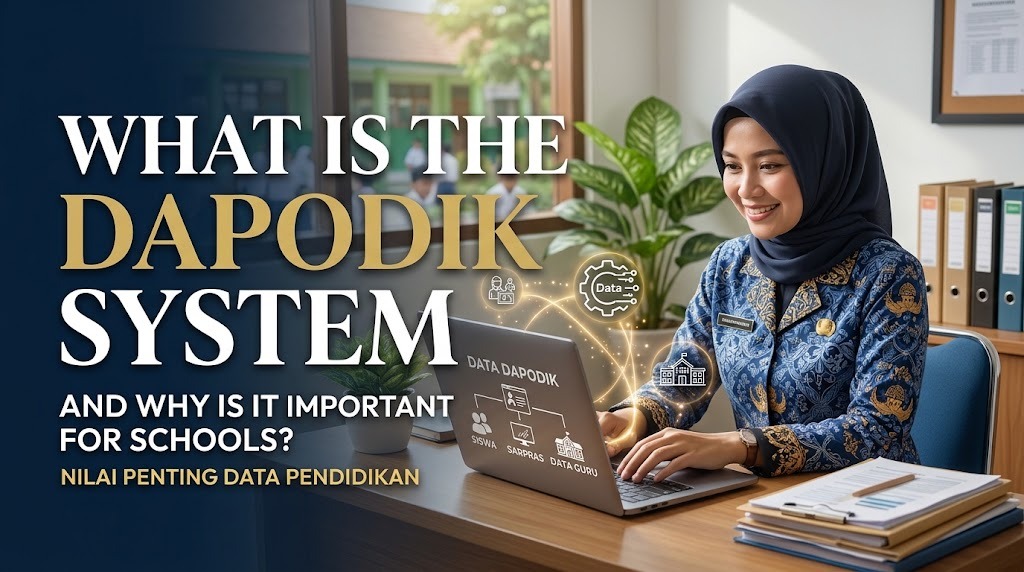
The education system requires accurate information to support school management, student services, and government planning. In Indonesia, one of the essential tools for collecting educational information is Dapodik, which stands for Data Pokok Pendidikan. This national education data system records information about schools, students, teachers, education personnel, and educational facilities. The data is used as a foundation for planning, evaluating, and developing education programs. Understanding how Dapodik works helps schools recognize the importance of accurate data management in improving educational quality.
WHAT IS THE DAPODIK SYSTEM?
Dapodik is a national education data collection system managed by Indonesia’s Ministry of Primary and Secondary Education through the relevant directorate. It gathers information from educational institutions and organizes it into a centralized data system. The information is updated periodically to reflect changes in school conditions, student enrollment, and staffing. Dapodik covers various education levels, including early childhood education, primary schools, secondary schools, vocational schools, and special education institutions. Its main purpose is to provide reliable information for educational planning and decision-making.
WHAT INFORMATION IS RECORDED IN DAPODIK?
Dapodik contains several categories of information that describe the condition of an educational institution. These records help authorities understand school needs and monitor developments across the education system. The information generally includes:
- School data: School identity, location, accreditation-related information, and institutional details.
- Student data: Student identities, enrollment status, and class or study-group information.
- Teacher and staff data: Information about educators, administrative personnel, qualifications, and employment details.
- Learning data: Curriculum information, learning activities, and class organization.
- Facilities and infrastructure: Classrooms, libraries, computers, land, buildings, and other educational resources.
The completeness and accuracy of these records are important because they influence how school conditions and educational needs are understood.
WHY IS DAPODIK IMPORTANT FOR SCHOOLS?
Dapodik helps schools maintain organized records and provides the government with information needed to manage education programs. Accurate data makes it easier to identify differences in school enrollment, staffing, and infrastructure needs. It also supports planning at school, regional, and national levels. When schools update their information correctly, education authorities can make decisions based on more reliable evidence. In this way, Dapodik contributes to more coordinated education management and better-targeted programs.
HOW DAPODIK SUPPORTS EDUCATION FUNDING
School data can be used as a reference in planning and administering certain education assistance programs. Information about student enrollment and school conditions helps authorities assess needs and apply relevant program requirements. For example, Dapodik data may support the administration of school operational assistance and infrastructure-related programs. However, funding eligibility and the amount of assistance depend on the applicable regulations and additional requirements, not simply on whether a school has entered data. Therefore, schools must ensure that their information is complete, valid, and submitted according to official procedures.
THE ROLE OF DAPODIK IN TEACHER MANAGEMENT
Information about teachers and education personnel helps authorities understand staffing conditions across schools. These records can support the analysis of teacher distribution, qualifications, employment status, and workforce needs. Accurate information is also relevant to certain administrative processes involving teacher professional development and benefits. If a teacher’s details are incorrect or outdated, the school may need to correct the records and provide supporting documents through the appropriate process. Maintaining reliable staff data therefore supports both school administration and wider education planning.
HOW SCHOOLS UPDATE DAPODIK DATA
Schools generally manage Dapodik records through authorized operators who coordinate with school leaders, teachers, and administrative staff. They collect information, enter updates into the application, check for validation issues, and synchronize data according to official procedures. Updates are necessary when there are changes to student enrollment, staff information, learning arrangements, or school facilities. Supporting documents should be checked before information is submitted to reduce errors. Schools should also consult official guidance when application versions or data requirements change.
COMMON CHALLENGES IN DAPODIK MANAGEMENT
Although Dapodik supports more organized data management, schools may encounter challenges during the collection and updating process. Incorrect personal details, incomplete documents, inconsistent records, and technical problems can delay data validation or synchronization. Limited internet access and insufficient operator training may also make the process more difficult for some institutions. Schools can address these issues by checking records regularly, keeping supporting documents organized, and providing adequate training for responsible personnel. When problems cannot be resolved locally, operators should seek assistance through official support channels.
DATA ACCURACY AND PERSONAL INFORMATION PROTECTION
Dapodik contains personal information about students and education personnel, so data security must be treated seriously. Schools should use authorized accounts, restrict access to responsible personnel, and avoid sharing sensitive information through unofficial channels. Information should be collected and processed for legitimate educational and administrative purposes in accordance with applicable personal data protection requirements. Parents and students should also be cautious about giving identity numbers, family documents, addresses, or other personal details to unknown parties. Accurate records and responsible data handling are both necessary to maintain trust in the education system.
THE DIFFERENCE BETWEEN DAPODIK AND OTHER EDUCATION SYSTEMS
Dapodik primarily collects and manages basic education data, while other digital education platforms serve different purposes. For example, Rapor Pendidikan uses information from several sources, including Dapodik and national assessments, to help schools and local governments evaluate educational conditions. Other platforms may focus on learning materials, school administration, or specific assistance programs. These systems can complement one another, but they are not interchangeable. Understanding their separate functions helps schools use each platform appropriately and avoid confusing data collection with performance evaluation.
CONCLUSION
Dapodik is an important part of Indonesia’s education data infrastructure because it organizes information about schools, students, teachers, learning activities, and educational facilities. Reliable records support school administration, education planning, staffing analysis, and the implementation of relevant government programs. To gain these benefits, schools must update information regularly, verify its accuracy, and protect personal data. Dapodik does not replace effective teaching or good school leadership, but it provides essential information for making better-informed decisions. Through responsible data management, schools can contribute to a more accurate and responsive education system.
Recent Posts

Bagaimana Sistem SKS pada Program Kuliah... 22.11.2026/50 View

How Does Technology Make Daily Evaluation... 21.11.2026/79 View

Apa Strategi Menghadapi Kesenjangan antara Kompetensi... 21.11.2026/79 View

Mengapa Inventaris Aset Penting bagi Kelancaran... 21.11.2026/75 View

When Should Musicians Join a Record... 21.11.2026/80 View
