

What Is The Difference Between A Business Trip And Regular Work Travel?
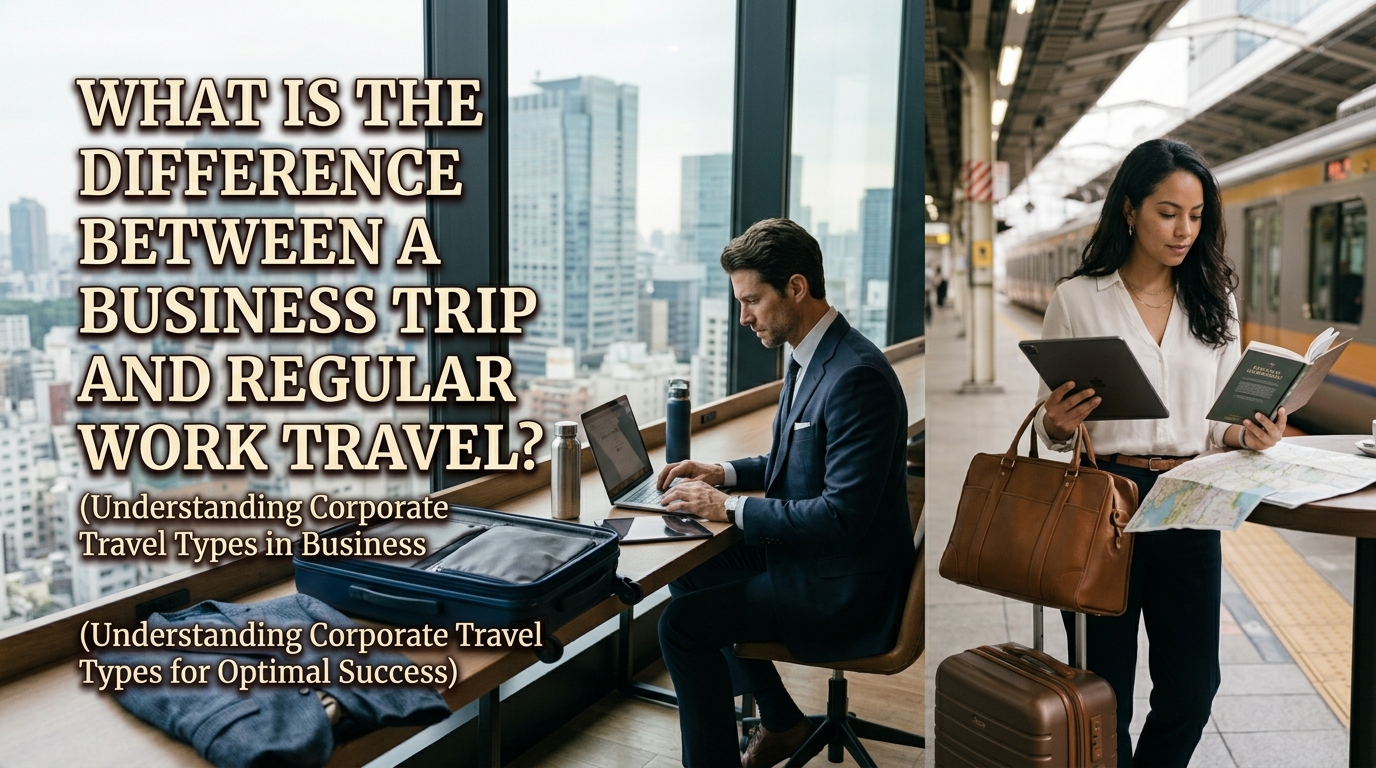
Business activities sometimes require employees to leave their usual workplace and travel to another location. These trips may involve attending meetings, visiting clients, joining training sessions, or carrying out company assignments. Although the terms business trip and regular work travel sound similar, they can have different purposes, schedules, and responsibilities. Understanding these differences helps employees prepare properly and manage their work more effectively. A business trip usually refers to travel for a specific professional purpose, while regular work travel can include repeated journeys that are part of an employee’s normal job duties.
UNDERSTANDING A BUSINESS TRIP
A business trip is a journey made by an employee to complete a specific work-related task outside their usual workplace. For example, an employee may travel to another city to attend a conference, meet a potential business partner, negotiate a contract, or visit a company branch. These trips often have a clear objective, a planned schedule, and a defined period. The company may arrange transportation, accommodation, meals, and other necessary expenses. Employees are generally expected to complete their assignments and report the results after returning.
Business trips are often temporary and happen only when a particular work need arises. The length of the trip depends on the assignment, ranging from a single day to several days or weeks. The main purpose is to achieve a specific business goal, such as building professional relationships, gaining new knowledge, or improving company operations. Careful preparation is important because employees may need travel documents, meeting materials, and an expense budget. A well-planned business trip can help a company develop partnerships and create new opportunities.
UNDERSTANDING REGULAR WORK TRAVEL
Regular work travel refers to journeys that employees make as part of their usual job responsibilities. Unlike occasional business trips, this travel may happen daily, weekly, or according to a recurring schedule. Examples include sales representatives visiting customers, delivery coordinators traveling between locations, technicians inspecting equipment, and employees moving between company branches. These journeys are often directly connected to the routine activities required by their positions. As a result, travel becomes a normal part of their working day.
The frequency and distance of regular work travel depend on the type of job and the company’s needs. Some employees travel within the same city, while others regularly visit different regions. Their schedules may change because of customer requests, traffic conditions, or operational priorities. The key characteristic is that travel is an ongoing part of the job rather than an occasional assignment. Employees who travel regularly need to manage their time, transportation costs, and daily tasks efficiently to maintain productivity.
KEY DIFFERENCES BETWEEN THE TWO
The biggest difference between a business trip and regular work travel is the purpose and frequency of the journey. A business trip usually involves a specific assignment that requires temporary travel away from the usual workplace. Regular work travel, on the other hand, is often repeated and forms part of an employee’s normal responsibilities. For instance, traveling to another city for a three-day business conference is generally considered a business trip. Visiting several customers every week as part of a sales role is an example of regular work travel.
Another difference involves planning, expenses, and reporting requirements. Business trips may require formal approval, advance bookings, accommodation arrangements, and a detailed expense report. Regular work travel may rely on established routes, recurring schedules, or company procedures for transportation and reimbursement. However, both types of travel can involve company expenses, safety responsibilities, and time management requirements. The exact rules depend on the employer’s policies, the employee’s role, and applicable local regulations.
HOW COMPANIES MANAGE BUSINESS TRIPS AND REGULAR WORK TRAVEL
Companies need clear procedures to manage both types of work-related travel. For business trips, employers may require employees to submit travel requests, explain the purpose of the journey, and estimate the expected costs. Managers can review these details to ensure that the trip supports company goals and stays within the approved budget. Employees should also keep receipts and record relevant expenses for accurate financial reporting. These steps help organizations maintain accountability and avoid unnecessary spending.
For regular work travel, companies may focus more on route planning, transportation efficiency, scheduling, and ongoing expense monitoring. Digital tools can help employees organize appointments, check directions, communicate with colleagues, and record travel costs. Employers should also provide clear guidance on safety, working hours, and reimbursement procedures. Effective travel management helps reduce costs, prevent scheduling problems, and support employee productivity. When employees understand the rules, they can complete their duties more smoothly and use company resources responsibly.
TIPS FOR EMPLOYEES WHO TRAVEL FOR WORK
Employees should first understand the purpose of their journey and the responsibilities involved. Before a business trip, they should confirm meeting schedules, prepare important documents, book necessary transportation, and check accommodation details when required. For regular work travel, they should organize appointments, plan efficient routes, and allow enough time to reach each destination. Keeping digital copies of important documents and maintaining communication with the company can also prevent avoidable problems. Good preparation makes work travel safer, more organized, and more productive.
Employees should also follow company policies regarding expenses, working hours, and travel approvals. They should keep receipts, report unexpected costs, and inform their managers about significant schedule changes. During travel, maintaining professional behavior and protecting company information are equally important. Employees should also balance their responsibilities with sufficient rest, especially when journeys are long or schedules are demanding. By following these practices, workers can handle both occasional business trips and regular work travel with greater confidence.
CONCLUSION
A business trip and regular work travel both involve traveling for professional reasons, but they differ mainly in purpose, frequency, and planning requirements. A business trip is generally a temporary journey for a specific assignment, while regular work travel is a repeated activity that forms part of an employee’s normal duties. Both require good time management, careful expense handling, and compliance with company policies. Understanding the distinction helps employees prepare for their responsibilities and allows companies to manage travel more efficiently. With proper planning, both types of work travel can support business goals and improve overall performance.
Recent Posts

Bagaimana Sistem SKS pada Program Kuliah... 22.11.2026/57 View

How Does Technology Make Daily Evaluation... 21.11.2026/86 View

Apa Strategi Menghadapi Kesenjangan antara Kompetensi... 21.11.2026/84 View

Mengapa Inventaris Aset Penting bagi Kelancaran... 21.11.2026/82 View

When Should Musicians Join a Record... 21.11.2026/86 View
