

What Is the Difference Between a Police Academy and Other Police Training Schools?
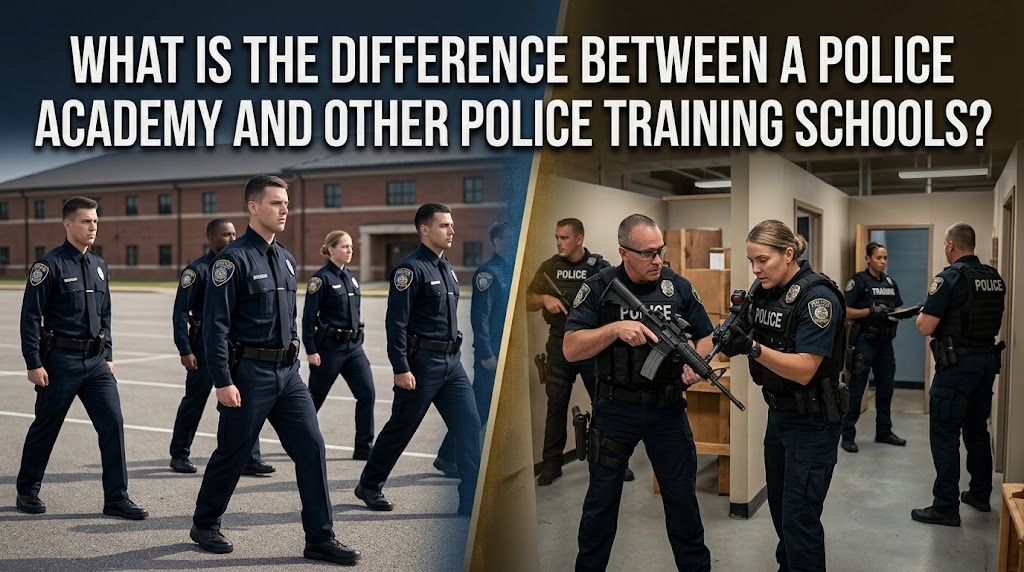
A police academy and other police training schools both prepare individuals for careers in law enforcement, but they differ in educational level, training objectives, curriculum, and career pathways. A police academy may provide a structured higher education program for future police officers, while other police training institutions may focus on basic police skills, specialized duties, or professional development. In Indonesia, the Indonesian Police Academy, known as Akademi Kepolisian or Akpol, is an institution that prepares cadets to become officers of the Indonesian National Police.
Understanding these differences helps prospective applicants choose an educational pathway that matches their career goals. The right choice depends on the position they want to pursue, their educational background, and the admission requirements of the institution. Although the institutions may share similar values, their programs are not necessarily interchangeable.
EDUCATIONAL LEVEL AND QUALIFICATIONS
One major difference between a police academy and other police training schools is the level and structure of education. Akpol provides a structured higher education program that combines academic study with professional police training. Cadets study subjects related to law, policing, leadership, ethics, and public service while developing their physical and professional abilities. This approach prepares them for the responsibilities associated with becoming police officers. Admission generally requires applicants to meet specific educational, age, health, and other eligibility standards.
Other police training institutions may offer programs with different educational objectives. Some focus on preparing recruits for particular entry-level roles, while others provide courses for personnel who are already serving in the police force. The length of study and academic qualifications required can therefore vary considerably. Applicants should not assume that completing any police training course is equivalent to graduating from a higher education police academy. They should review each institution's official admission rules and qualifications before applying.
TRAINING OBJECTIVES AND CAREER PATHWAYS
The Indonesian Police Academy focuses on preparing future police officers through an integrated program of academic education, leadership development, discipline, and practical training. Its graduates follow the applicable procedures for appointment and assignment within the Indonesian National Police. The education aims to build the judgment, integrity, and management skills needed to carry out police responsibilities. Cadets learn about legal principles, public safety, professional ethics, and decision-making. These areas help prepare them for roles that require responsibility and leadership.
Other police training schools may concentrate on different career entry points or professional needs. Basic training programs can prepare recruits for designated police duties, while specialized courses may cover investigation, traffic management, intelligence, or other operational fields. Advanced training can also help serving officers improve their technical knowledge and professional performance. The career opportunities available after a course depend on the program, the participant's existing rank or status, and applicable police regulations. Therefore, prospective applicants should identify the career position they want before selecting a training pathway.
CURRICULUM AND LEARNING METHODS
The curriculum at a police academy typically combines classroom education with physical training, practical exercises, and character development. At Akpol, cadets learn subjects connected to policing, criminal law, leadership, ethics, and public service. Academic assignments help them analyze problems, understand legal responsibilities, and make reasoned decisions. Physical activities and practical exercises develop fitness, teamwork, and operational readiness. Combining these elements allows cadets to develop both theoretical knowledge and practical abilities.
Other police training schools may use a more specialized or task-oriented curriculum. For example, a basic recruit program may prioritize police procedures, communication, physical fitness, and the practical skills required for initial duties. A specialist course may concentrate on a narrower subject and assume that participants already possess basic professional knowledge. The teaching methods can include demonstrations, simulations, scenario-based exercises, and supervised field practice. The differences reflect the specific responsibilities participants are expected to perform after completing their training.
DURATION AND TRAINING INTENSITY
The duration of education is another important distinction. A police academy program generally follows a structured, multi-year educational schedule that combines academic requirements with professional training. Akpol's education program is designed to develop cadets gradually through classroom learning, physical preparation, discipline, and leadership activities. Cadets must meet the academic and training standards established for their program. Their daily routines are typically organized around lessons, exercises, and institutional responsibilities.
Other police training schools can have shorter or more specialized schedules. A basic training program may last for a defined period, while a professional development course may take only days or weeks, depending on its objectives. Specialized training can also vary in duration according to the complexity of the subject and the experience required. A shorter program does not necessarily mean that its training is less important, because it may address a specific professional need. Applicants should compare the actual curriculum and completion requirements rather than judge an institution solely by the length of its program.
ADMISSION REQUIREMENTS AND SELECTION PROCESSES
Admission to a police academy can involve a comprehensive selection process because applicants must be suitable for an intensive educational and professional program. Candidates for Akpol must satisfy the applicable requirements concerning citizenship, education, age, physical condition, medical fitness, and personal conduct. The selection process may include administrative verification, academic examinations, psychological assessments, medical checks, and physical fitness tests. Applicants must pass the required stages according to the rules for the relevant recruitment year. Meeting the initial eligibility conditions does not guarantee acceptance.
Other police training schools may have different admission procedures based on the type of program offered. Basic recruitment training usually follows the selection process for the corresponding police position, while specialist courses may be open only to personnel who already serve in the organization. Some professional courses may require relevant experience, prior qualifications, or authorization from an employer. The exact requirements depend on the institution and the purpose of the training. Prospective applicants should carefully distinguish between admission to a police career, admission to an academy, and enrollment in a course for existing officers.
DISCIPLINE, CHARACTER, AND LEADERSHIP DEVELOPMENT
Discipline and character development are essential in both police academies and other police training schools. At Akpol, cadets are expected to develop integrity, self-control, accountability, respect for the law, and a commitment to public service. Their education combines formal instruction with daily routines that encourage punctuality, responsibility, and teamwork. Leadership development also helps cadets learn how to communicate clearly, assess situations, and make decisions within established rules. These qualities are important for officers who may eventually supervise personnel or coordinate police activities.
Other police training institutions also emphasize discipline, but the focus may depend on the program's intended outcomes. Basic training may prioritize obedience to lawful instructions, professional conduct, teamwork, and readiness for operational duties. Specialist programs may place greater emphasis on technical accuracy, coordination, and decision-making in a particular field. Participants are expected to understand their responsibilities and respect the rights of the public. Although the methods can differ, ethical conduct and accountability remain important standards across police training environments.
COSTS, FACILITIES, AND STUDENT EXPERIENCE
The financial arrangements and daily experience can differ between a police academy and other police training institutions. Cadets at Akpol follow an organized residential training environment, with education and daily activities governed by academy regulations. Accommodation, meals, uniforms, learning materials, and other training-related arrangements are determined by the applicable policies. Applicants should verify which expenses are covered and whether any personal costs remain their responsibility. They should also confirm the current financial provisions before making decisions based on assumptions.
Other police training schools may operate under different arrangements. Some provide residential facilities and structured daily schedules, while others conduct courses at designated training centers or allow participants to return home outside scheduled activities. The availability of accommodation, meals, equipment, and learning resources depends on the institution and the program. Costs may also vary according to whether the course is part of official recruitment, internal police development, or another authorized educational pathway. Comparing these practical factors can help applicants understand what participation will involve.
HOW TO CHOOSE THE RIGHT POLICE TRAINING PATHWAY
Choosing between a police academy and another police training school begins with understanding the career objective. Applicants who want to pursue the officer pathway associated with Akpol should review its admission requirements and higher education program. They should prepare their academic records, improve their physical fitness, and understand the selection process before applying. Candidates should also consider whether they are prepared for a structured residential environment and demanding daily routines. Early preparation can help them make an informed decision and avoid applying to a program that does not match their goals.
People interested in other police careers should identify the relevant recruitment category and training route. They should compare the program's qualifications, curriculum, duration, and career outcomes rather than relying on the institution's name alone. It is also important to distinguish official police recruitment from independent courses that do not automatically qualify participants for police employment. Applicants should ensure that their chosen program is recognized for the career pathway they intend to follow. Careful research and realistic preparation can help them select the most suitable route into law enforcement.
CONCLUSION
The main difference between a police academy and other police training schools lies in their educational structure, training objectives, admission requirements, duration, and career pathways. The Indonesian Police Academy provides a structured higher education and professional development program for future police officers, while other training institutions may focus on basic recruitment, specialist skills, or continuing professional education. Both types of institutions can contribute to professional law enforcement, but they serve different purposes. Applicants should consider their qualifications and long-term career goals before choosing a pathway. Understanding these distinctions can help them prepare effectively for a future in the Indonesian National Police.
Recent Posts

Bagaimana Sistem SKS pada Program Kuliah... 22.11.2026/57 View

How Does Technology Make Daily Evaluation... 21.11.2026/86 View

Apa Strategi Menghadapi Kesenjangan antara Kompetensi... 21.11.2026/84 View

Mengapa Inventaris Aset Penting bagi Kelancaran... 21.11.2026/82 View

When Should Musicians Join a Record... 21.11.2026/86 View
