

What Is the Difference Between a Principal and a Vice Principal of Curriculum?
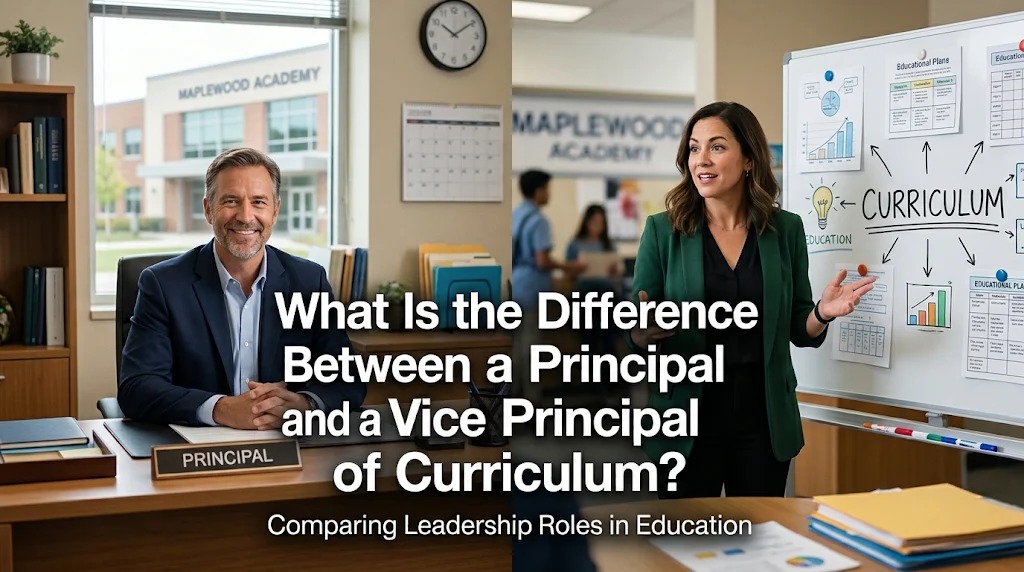
School management involves several leadership positions that work together to ensure educational activities run effectively. Among the most important positions are the principal and the Vice Principal of Curriculum. Both contribute to school development, but they have different responsibilities, authority, and areas of focus.
A principal is the main leader responsible for managing the overall operation of a school, while a Vice Principal of Curriculum focuses more specifically on academic planning and curriculum implementation. Although their duties are different, both positions need to work closely together to maintain educational quality. Understanding these differences helps explain how school leadership is organized and how academic programs are managed.
THE PRINCIPAL HAS OVERALL LEADERSHIP RESPONSIBILITY
The principal is the highest school-level leader responsible for directing and managing the institution. This position covers various areas, including academic programs, student affairs, teacher management, school facilities, administration, and relationships with parents and the surrounding community. The principal ensures that school activities follow educational regulations and support the institution's vision and mission.
One of the principal's main responsibilities is establishing school policies and making important management decisions. The principal also supervises the performance of school personnel, coordinates resources, and evaluates the implementation of school development programs. These responsibilities require leadership, communication, decision-making, and organizational skills.
In addition, the principal represents the school in official matters and maintains relationships with external stakeholders. The principal may coordinate with education authorities, community organizations, and parents to support school development. Overall school management and strategic leadership are therefore central to the principal's position.
THE VICE PRINCIPAL OF CURRICULUM FOCUSES ON ACADEMIC MANAGEMENT
Unlike the principal, the Vice Principal of Curriculum has a more specialized responsibility related to teaching and learning activities. This position assists the principal in coordinating curriculum implementation and managing academic programs. The main focus is ensuring that classroom instruction follows the school's educational plans and applicable curriculum requirements.
Typical responsibilities include preparing class schedules, coordinating teacher assignments, organizing academic calendars, and monitoring instructional documents. The vice principal also communicates curriculum policies to teachers and helps coordinate academic activities throughout the school year. These tasks require a detailed understanding of educational planning and classroom needs.
The Vice Principal of Curriculum may also coordinate teacher development activities and evaluate the implementation of learning programs. When academic problems occur, this position works with teachers and school leadership to identify possible solutions. Academic coordination and curriculum implementation are the main areas that distinguish this role from the principal's broader responsibilities.
DIFFERENCES IN AUTHORITY AND DECISION-MAKING
The principal and the Vice Principal of Curriculum also differ in their levels of authority and decision-making responsibilities. The principal generally has broader authority over school management and is responsible for approving important institutional policies and decisions. These decisions may involve academic planning, staffing, budgeting, school development, and administrative matters.
The Vice Principal of Curriculum usually makes or coordinates decisions within the academic responsibilities assigned by the principal and school regulations. For example, the vice principal may prepare a proposed class schedule, coordinate teaching assignments, or recommend adjustments to academic programs. However, major decisions may require consultation or approval from the principal, depending on the school's organizational structure.
Both positions need to communicate before implementing significant changes that affect teaching and learning activities. This arrangement helps maintain accountability and ensures that academic decisions remain consistent with the school's overall direction. The principal provides overall leadership, while the Vice Principal of Curriculum manages delegated academic responsibilities.
HOW THE PRINCIPAL AND VICE PRINCIPAL OF CURRICULUM WORK TOGETHER
Although their responsibilities differ, the principal and Vice Principal of Curriculum must collaborate to achieve the school's educational objectives. The principal establishes general priorities, while the vice principal helps translate academic goals into practical programs. Their cooperation is necessary to ensure that school policies can be implemented effectively in classrooms.
For example, when a school plans to improve learning quality, the principal may establish the development target and provide institutional support. The Vice Principal of Curriculum can then coordinate teacher discussions, review instructional plans, organize academic activities, and monitor implementation. Both positions can evaluate progress and discuss adjustments based on the results.
Regular meetings and clear communication help prevent misunderstandings about responsibilities. The principal also needs information from the vice principal to understand academic conditions and make appropriate decisions. Through effective leadership coordination, both positions can support teachers, improve academic management, and maintain a consistent educational direction.
THEIR DIFFERENT CONTRIBUTIONS TO SCHOOL DEVELOPMENT
The principal and Vice Principal of Curriculum contribute to school development through different but complementary responsibilities. The principal focuses on the overall performance of the institution, including leadership, resources, personnel, policies, and external relationships. The vice principal focuses more closely on academic operations and the quality of curriculum implementation.
For example, the principal may prioritize improving school facilities, strengthening institutional partnerships, or developing long-term educational plans. Meanwhile, the Vice Principal of Curriculum may focus on improving class schedules, coordinating teacher training, and evaluating classroom learning activities. These responsibilities work together because academic improvement often requires support from broader school management.
Both positions also contribute to creating a positive educational environment. The principal provides leadership and direction, while the vice principal helps ensure that academic programs are organized and implemented properly. Their complementary roles support sustainable school development and better learning opportunities for students.
CONCLUSION
The main difference between a principal and a Vice Principal of Curriculum lies in the scope of their responsibilities. The principal leads and manages the school as a whole, while the Vice Principal of Curriculum focuses on academic planning, curriculum implementation, teacher coordination, and learning evaluation. Their authority also differs because the vice principal generally carries out responsibilities assigned within the school's leadership structure.
Despite these differences, both positions are essential to effective school management. The principal provides strategic direction and institutional leadership, while the Vice Principal of Curriculum ensures that academic programs are coordinated and carried out systematically. Through communication and cooperation, they can support teachers, improve educational quality, and help schools achieve their learning objectives.
Recent Posts

Bagaimana Sistem SKS pada Program Kuliah... 22.11.2026/11 View

How Does Technology Make Daily Evaluation... 21.11.2026/63 View

Apa Strategi Menghadapi Kesenjangan antara Kompetensi... 21.11.2026/64 View

Mengapa Inventaris Aset Penting bagi Kelancaran... 21.11.2026/61 View

When Should Musicians Join a Record... 21.11.2026/59 View
