

What Is the Difference Between an Audiobook and a Podcast?
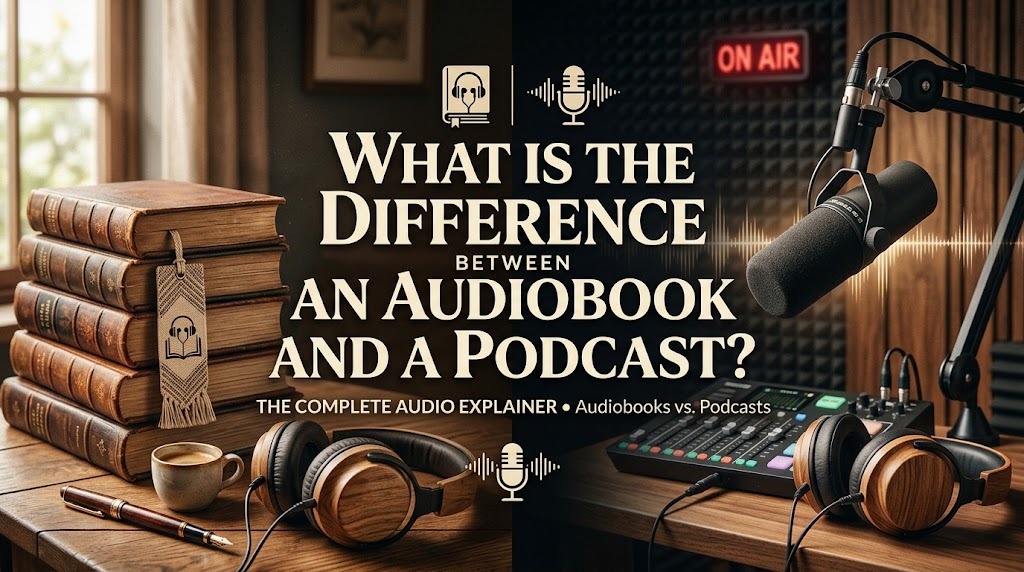
Digital audio content has become a popular way to enjoy stories, gain knowledge, and stay informed. Two common formats are audiobooks and podcasts. Both allow people to listen to spoken content through smartphones, computers, and other devices, but they differ in purpose, structure, and presentation. Understanding these differences can help listeners choose the format that best matches their interests and needs.
Although audiobooks and podcasts may cover similar topics, they are not exactly the same. Audiobooks usually present the contents of a book through recorded narration, while podcasts typically consist of individual episodes featuring discussions, interviews, storytelling, news, or educational material. Each format offers different advantages depending on how someone prefers to learn or be entertained.
UNDERSTANDING THE PURPOSE OF EACH FORMAT
An audiobook is an audio version of a written book. It may contain a complete novel, biography, educational book, or other published work narrated by a person or generated using a digital voice. Its main purpose is to make the content of a book available through listening rather than relying entirely on printed or digital text.
A podcast, on the other hand, is an audio program that is usually released in episodes. It can focus on topics such as technology, personal development, education, entertainment, history, or current events. Some podcasts feature conversations between hosts and guests, while others use a single narrator to explain a subject. Because podcasts can cover many different formats, their content is often more varied in structure than that of audiobooks.
COMPARING CONTENT AND STRUCTURE
One major difference between audiobooks and podcasts is how their content is organized. Audiobooks generally follow the structure of a book, with chapters or sections that develop a story or explain a subject from beginning to end. A listener may need to follow the sequence to understand the complete narrative or argument.
Podcasts are commonly divided into separate episodes, each of which may discuss a specific topic. Some podcast series have a continuing storyline or a structured learning sequence, but many episodes can be enjoyed independently. For example, an audiobook about history may explain events across several chapters, while a history podcast may examine one historical figure or event in each episode. This difference makes audiobooks suitable for following a complete book and podcasts convenient for exploring individual subjects.
DIFFERENCES IN LENGTH AND LISTENING EXPERIENCE
Audiobooks are often several hours long because they contain the narration of an entire book. The total duration depends on the length of the original text, the narrator's pace, and whether the recording includes additional material. Listeners may divide an audiobook into multiple sessions and continue from where they stopped.
Podcast episodes vary considerably in length. Some last only a few minutes, while others may continue for an hour or longer. This variety gives listeners the flexibility to choose episodes that fit their available time. However, neither format has a fixed duration, and some podcasts are longer than many audiobooks. The most suitable option depends on whether a listener prefers a complete book experience or shorter, topic-focused sessions.
EXPLORING ACCESS AND AVAILABILITY
Both audiobooks and podcasts can be accessed through digital platforms, but their availability models may differ. Audiobooks are often offered through purchases, subscriptions, library services, or free collections, depending on the publisher and platform. Some services also provide downloadable files or offline listening options.
Podcasts are frequently available through podcast applications and streaming platforms, with many shows offering episodes at no cost. Some creators also provide paid subscriptions or exclusive content. Before choosing a service, listeners should check its catalog, access conditions, regional availability, and download features. Understanding these differences can help people select a format that fits their budget and listening preferences.
CHOOSING THE RIGHT FORMAT FOR YOUR NEEDS
The best choice between an audiobook and a podcast depends on the listener's goals. Audiobooks may be more suitable for people who want to experience a complete novel, follow a detailed explanation, or explore a subject through a structured book. They can also be useful for readers who want to enjoy published books while away from printed pages.
Podcasts may be a better option for people who enjoy conversations, interviews, commentary, or regular updates about specific topics. They can also help listeners discover new interests through short episodes or ongoing series. Some people benefit from using both formats: audiobooks for deeper exploration and podcasts for additional perspectives or quick learning sessions. Choosing based on personal interests and available time can make listening more enjoyable and useful.
CONCLUSION
The main difference between an audiobook and a podcast lies in their content, structure, and typical purpose. Audiobooks present books through audio narration and generally follow the organization of the original work. Podcasts usually deliver audio programs in episodes and may feature interviews, discussions, storytelling, or educational content.
Both formats provide convenient ways to enjoy information and entertainment without relying entirely on printed text. Audiobooks are useful for exploring complete books, while podcasts offer opportunities to discover individual topics and ongoing conversations. By understanding their differences, listeners can choose the format that best supports their interests, learning goals, and daily routines.
Recent Posts

Bagaimana Sistem SKS pada Program Kuliah... 22.11.2026/40 View

How Does Technology Make Daily Evaluation... 21.11.2026/71 View

Apa Strategi Menghadapi Kesenjangan antara Kompetensi... 21.11.2026/73 View

Mengapa Inventaris Aset Penting bagi Kelancaran... 21.11.2026/69 View

When Should Musicians Join a Record... 21.11.2026/73 View
