

What Is the Difference Between an Event Organizer and a Wedding Planner?
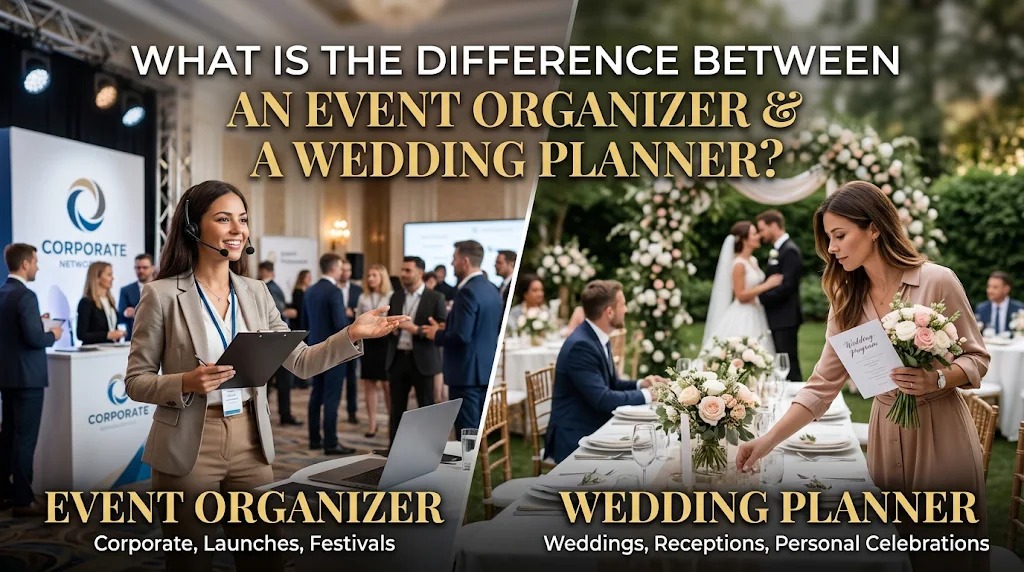
An event organizer and a wedding planner are professionals who help clients organize and manage special events. Although their responsibilities may seem similar, they have different areas of focus and expertise. An event organizer handles various types of occasions, while a wedding planner specializes in planning wedding celebrations. Both professions require strong communication, creativity, organization, and problem-solving skills. Understanding the differences between these two roles can help clients choose the right professional for their needs and help aspiring business owners decide which service they want to offer.
DEFINITION OF AN EVENT ORGANIZER
An event organizer is a professional or business that plans, coordinates, and manages different types of events. Their work can include corporate meetings, seminars, conferences, concerts, exhibitions, product launches, birthday parties, and community gatherings. They are responsible for turning a client's ideas into a well-organized event that meets the planned objectives. Their responsibilities often include preparing budgets, selecting venues, coordinating vendors, arranging schedules, and managing event operations. Depending on the size and complexity of the occasion, an event organizer may work with a team of staff members and external service providers.
One of the main characteristics of an event organizer is the ability to handle different event formats and requirements. For example, organizing a business conference requires attention to speakers, presentation equipment, participant registration, and schedules. Meanwhile, managing a concert involves coordinating performers, sound systems, lighting, security arrangements, and audience facilities. Each event has unique objectives, so organizers must understand the client's expectations before developing a plan. Their broad experience allows them to adapt their services to different industries, audiences, and event concepts.
DEFINITION OF A WEDDING PLANNER
A wedding planner is a professional who specializes in organizing and coordinating wedding ceremonies and receptions. Their primary responsibility is to help couples prepare their special day according to their preferences, budget, and chosen wedding concept. They assist with various details, including venue selection, decoration, catering, photography, entertainment, invitations, and vendor coordination. Wedding planners also help couples develop a realistic timeline so that every preparation can be completed properly. Their goal is to create a memorable celebration while reducing the pressure and complexity of wedding preparations.
Unlike general event organizers, wedding planners need a deeper understanding of wedding traditions, ceremonial arrangements, and personal preferences. They may coordinate with families, religious representatives, makeup artists, photographers, decorators, and other wedding vendors. Some planners also provide consultation services to help couples select themes, color combinations, and reception concepts. On the wedding day, they supervise the schedule and make sure that each important activity takes place as planned. Because weddings often involve emotional expectations and detailed personal preferences, attention to detail and interpersonal communication are especially important in this profession.
KEY DIFFERENCES BETWEEN AN EVENT ORGANIZER AND A WEDDING PLANNER
The most significant difference between an event organizer and a wedding planner is the type of event they handle. Event organizers work across various categories, while wedding planners concentrate specifically on wedding celebrations. This difference influences their knowledge, services, professional networks, and daily responsibilities. Event organizers need to understand the requirements of different event industries, whereas wedding planners develop specialized expertise in wedding preparation. Both professions require planning and coordination skills, but their priorities are not always the same.
Another difference can be seen in their working relationships with clients. Event organizers commonly communicate with companies, institutions, communities, government organizations, and individual clients. Their discussions often focus on event objectives, participant numbers, schedules, operational requirements, and available budgets. Wedding planners usually work closely with couples and their families to understand personal expectations and important ceremonial details. Their communication may involve more discussions about wedding themes, family preferences, traditions, and the overall atmosphere of the celebration.
The scope of their vendor networks also differs. Event organizers may collaborate with equipment rental companies, professional speakers, exhibition contractors, entertainment providers, catering businesses, and technical teams. Wedding planners often maintain relationships with bridal studios, florists, makeup artists, photographers, wedding venues, and decoration specialists. However, some services overlap, particularly in catering, photography, entertainment, and venue management. The main distinction is how each professional uses their network to meet the specific needs of the event.
SIMILARITIES IN THEIR RESPONSIBILITIES AND SKILLS
Although their areas of specialization are different, event organizers and wedding planners share several important responsibilities. Both professionals must develop plans, prepare budgets, communicate with vendors, manage schedules, and supervise event preparations. They also need to anticipate potential problems and prepare alternative solutions to keep the event running smoothly. Effective coordination is essential because even small mistakes can affect the overall experience of clients and guests. These shared responsibilities make project management skills valuable in both professions.
Communication is another essential skill for both roles. Professionals must understand client expectations, explain available options, negotiate with vendors, and provide updates throughout the preparation process. They also need to coordinate their teams so that everyone understands their duties and deadlines. In addition, creativity helps them develop attractive concepts that match the event's purpose and atmosphere. Strong time management, problem-solving abilities, financial awareness, and attention to detail also contribute to successful event execution.
HOW TO CHOOSE THE RIGHT SERVICE FOR YOUR EVENT
Choosing between an event organizer and a wedding planner depends on the type and requirements of the occasion. If someone is preparing a conference, company gathering, concert, exhibition, or product launch, an event organizer is generally the more appropriate choice. These professionals have experience managing different event formats and coordinating the operational requirements involved. They can help clients arrange venues, technical equipment, schedules, entertainment, and other essential services. Their broad expertise makes them suitable for events that require coordination across several departments or service providers.
However, couples who need assistance with wedding preparations may benefit more from hiring a wedding planner. This professional understands the details of wedding ceremonies, receptions, decoration concepts, and relationships with wedding-specific vendors. Before choosing a service, clients should review the provider's portfolio, previous experience, service packages, and client testimonials. It is also important to discuss the budget, responsibilities, timeline, and expected results before signing an agreement. Selecting a professional whose expertise matches the event's requirements can make the planning process more organized and comfortable.
CONCLUSION
The difference between an event organizer and a wedding planner mainly lies in their areas of specialization. An event organizer manages various types of events, while a wedding planner focuses on organizing wedding ceremonies and celebrations. Despite their different responsibilities, both professionals rely on planning, communication, creativity, budgeting, and coordination skills. Choosing the right service depends on the type of event, the client's expectations, and the level of assistance required. By understanding these differences, clients can make better decisions and aspiring professionals can identify the right direction for their event management business.
Recent Posts

Bagaimana Sistem SKS pada Program Kuliah... 22.11.2026/34 View

How Does Technology Make Daily Evaluation... 21.11.2026/68 View

Apa Strategi Menghadapi Kesenjangan antara Kompetensi... 21.11.2026/68 View

Mengapa Inventaris Aset Penting bagi Kelancaran... 21.11.2026/66 View

When Should Musicians Join a Record... 21.11.2026/67 View
