

What Is the Difference Between Concentration Problems and Distraction?
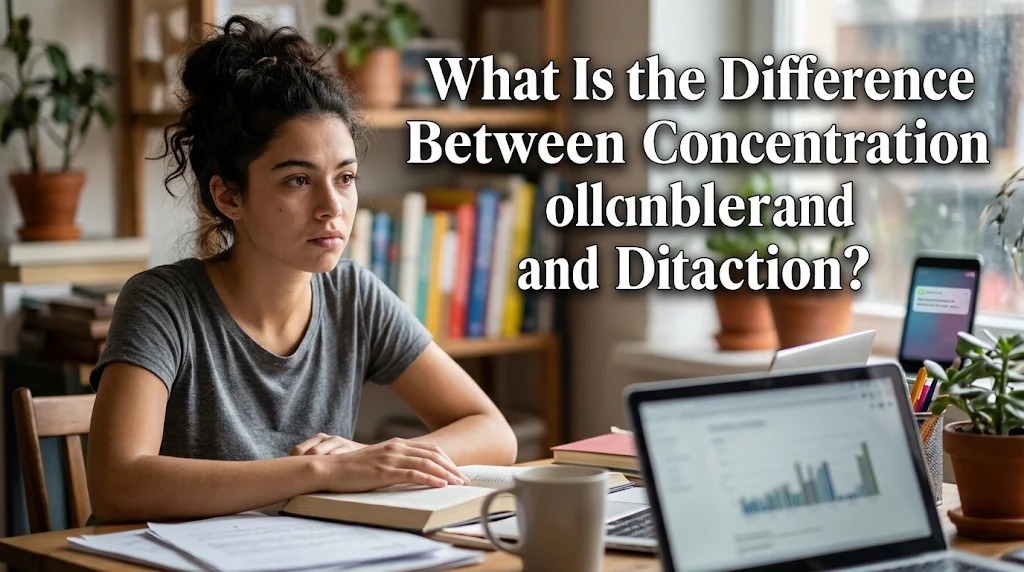
Concentration problems and distraction are two conditions that can make it difficult for someone to stay focused on a particular activity. Although they are closely related, they do not have exactly the same meaning. Many people experience both situations when studying, working, reading, or completing everyday tasks. However, understanding their differences can help people recognize why they lose focus and how to manage the situation effectively.
Concentration problems generally refer to difficulties maintaining attention or focusing on tasks, while distraction happens when attention shifts from the main activity to something else. Distractions can come from externvelal sources, such as noise and smartphone notifications, or internal sources, such as unrelated thoughts. Understanding these differences is important for deoping better learning habits and improving daily productivity.
UNDERSTANDING CONCENTRATION PROBLEMS
Concentration problems occur when someone struggles to maintain attention on a specific task for an appropriate period. A person experiencing this difficulty may find it hard to understand instructions, remember information, or complete activities that require continuous focus. Even when the surrounding environment is quiet, maintaining attention can still feel challenging. These difficulties may affect students, employees, and people performing ordinary daily activities.
Several factors can contribute to concentration problems, including insufficient sleep, stress, fatigue, poor nutrition, and certain health conditions. For example, someone who does not get enough sleep may struggle to process information even when trying to study seriously. Concentration difficulties can happen temporarily or continue over a longer period. If they frequently interfere with daily responsibilities, professional evaluation may help identify the underlying causes.
UNDERSTANDING DISTRACTION
Distraction occurs when a person's attention moves away from the activity they are supposed to perform. This situation can happen because of external interruptions or internal thoughts. External distractions include loud conversations, television, smartphone notifications, and people entering a room. Internal distractions may involve worrying about personal problems, remembering unrelated events, or thinking about future activities.
Unlike concentration problems, distraction does not necessarily mean someone has difficulty focusing in general. A person may have good concentration but still lose focus when something more interesting or demanding captures their attention. For example, a student may understand a lesson well but stop studying after receiving a message from a friend. Once the distraction disappears, the student may be able to return to the original activity and continue studying normally.
KEY DIFFERENCES BETWEEN CONCENTRATION PROBLEMS AND DISTRACTION
The main difference between concentration problems and distraction is the nature of the difficulty. Concentration problems involve struggling to maintain attention, while distraction involves attention being redirected from one activity to another. In other words, concentration difficulties relate to the ability to stay focused, whereas distraction describes an interruption or shift in attention.
Another difference can be seen in their possible causes and solutions. Concentration problems may require improvements in sleep, physical health, emotional well-being, or daily routines. Meanwhile, distractions can often be reduced by controlling environmental interruptions and limiting unnecessary digital activities. However, both conditions can happen together because frequent distractions may make it harder to maintain concentration over time.
FACTORS THAT CAUSE BOTH CONDITIONS
Several factors can contribute to both concentration problems and distraction. Lack of sleep, stress, anxiety, and mental fatigue can make it harder for the brain to maintain attention. When someone feels physically exhausted or emotionally overwhelmed, even simple activities may require more effort. These conditions can also increase sensitivity to interruptions and unrelated thoughts.
The surrounding environment and technology can also influence attention. Noisy workplaces, crowded study areas, and frequent smartphone notifications can interrupt learning and working activities. Poor time management and excessive multitasking may create additional mental pressure. Understanding these contributing factors can help people recognize their attention difficulties and choose suitable ways to manage them.
HOW TO IMPROVE CONCENTRATION AND REDUCE DISTRACTION
Improving concentration begins with developing healthy habits and creating an environment that supports focused activities. Getting enough sleep, eating balanced meals, drinking sufficient water, and exercising regularly can support brain health. It is also helpful to divide large tasks into smaller activities with clear objectives. These steps can make demanding activities easier to manage and reduce mental fatigue.
Reducing distractions requires controlling interruptions that take attention away from important tasks. Students and employees can silence unnecessary notifications, organize their workspaces, and establish specific periods for checking messages. Taking short breaks between study or work sessions can also help maintain mental energy. If concentration difficulties continue despite these changes and significantly affect everyday life, consulting a healthcare professional may be beneficial.
CONCLUSION
Concentration problems and distraction are related but different experiences. Concentration problems involve difficulty maintaining attention, while distraction happens when attention shifts away from the main activity because of internal or external interruptions. Both conditions can affect learning, work performance, memory, and daily productivity.
Recognizing the difference between them is an important step toward improving focus. By maintaining healthy routines, managing stress, organizing the environment, and reducing unnecessary interruptions, people can develop better concentration and complete their daily activities more effectively.
Recent Posts

Bagaimana Sistem SKS pada Program Kuliah... 22.11.2026/4 View

How Does Technology Make Daily Evaluation... 21.11.2026/63 View

Apa Strategi Menghadapi Kesenjangan antara Kompetensi... 21.11.2026/64 View

Mengapa Inventaris Aset Penting bagi Kelancaran... 21.11.2026/61 View

When Should Musicians Join a Record... 21.11.2026/59 View
