

What Is the Difference Between Digital Calendars and Traditional Calendars?
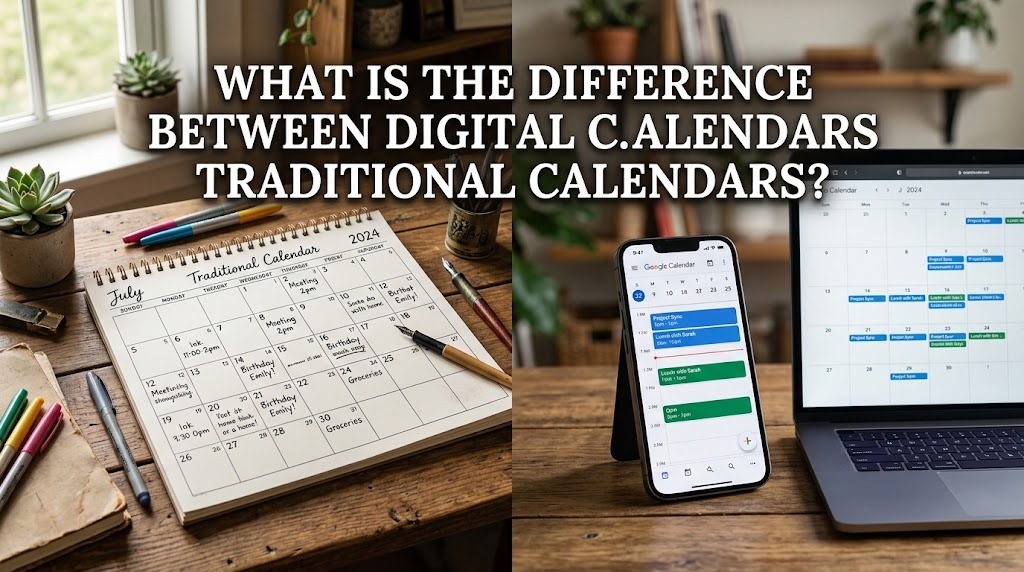
Digital calendars and traditional calendars are both useful tools for organizing schedules, remembering important dates, and managing daily activities. However, they differ in how information is stored, accessed, updated, and shared. Traditional calendars use printed pages to display dates, while digital calendars rely on electronic devices such as smartphones, tablets, and computers. Understanding the differences between these two calendar types can help people choose the option that best suits their routines and preferences. Both offer practical benefits, but their effectiveness depends on individual needs and working habits.
UNDERSTANDING DIGITAL CALENDARS
Digital calendars are electronic tools that help users organize activities, appointments, deadlines, and special events. They are commonly available as mobile applications, computer programs, and online services. Users can create events, set reminders, adjust schedules, and review upcoming activities with just a few clicks. Many digital calendars also synchronize information across multiple devices, allowing users to access their schedules from different locations. These features make digital calendars especially useful for people who manage busy routines.
Another important advantage is the ability to connect calendar events with other digital tools. For example, users may attach meeting links, add notes, or invite other people to scheduled activities. Some applications also support recurring events, color categories, and shared calendars. These functions reduce the effort required to manage complicated schedules. However, using a digital calendar usually requires an electronic device and, for some features, an internet connection.
UNDERSTANDING TRADITIONAL CALENDARS
Traditional calendars are physical calendars made from paper or other printed materials. They may appear as wall calendars, desk calendars, pocket calendars, or planners. Users write appointments, deadlines, birthdays, and personal notes directly on the calendar pages. Because the information is visible on a physical surface, people can quickly check dates without opening an application. Traditional calendars are simple to use and do not require batteries, software, or internet access.
Many people prefer traditional calendars because writing by hand can make schedules feel more personal and memorable. A paper planner also provides space for handwriting, drawing, and adding reminders in a preferred format. Users can customize their pages with stickers, symbols, or different pen colors. However, changing an appointment may require erasing or crossing out previous information. Traditional calendars also have limited space and can be difficult to share with people who are in different locations.
DIFFERENCES IN ACCESSIBILITY AND CONVENIENCE
One major difference between digital and traditional calendars is how easily users can access their schedules. Digital calendars can be opened on compatible devices, making them convenient for people who frequently travel or work outside the office. When synchronization is available, users can view the same schedule on a phone, tablet, and computer. This flexibility helps people manage activities even when they are away from their desks. Some digital calendars also provide notifications that appear automatically before scheduled events.
Traditional calendars are generally accessible wherever the physical calendar is kept. A wall calendar, for example, can make family schedules visible to everyone in a shared space. A pocket planner can also be carried without worrying about battery life or application updates. However, users must have the calendar with them or remember where it is stored. Unlike digital calendars, traditional versions cannot automatically send reminders or synchronize changes across multiple locations.
DIFFERENCES IN REMINDERS AND NOTIFICATIONS
Digital calendars offer automated reminders that help users remember important activities. Depending on the application, notifications can appear minutes, hours, or days before an event. Users may also receive alerts for recurring appointments, meetings, and approaching deadlines. These reminders are especially helpful for students, employees, and professionals who manage multiple responsibilities. Nevertheless, notifications can be missed if a device is switched off, muted, or configured incorrectly.
Traditional calendars depend on users checking the printed dates and written notes themselves. People can highlight important appointments, mark deadlines with symbols, or place the calendar somewhere highly visible. These visual reminders can be effective when the calendar is checked regularly. However, a traditional calendar cannot automatically notify someone about an upcoming event. Users therefore need to develop a consistent habit of reviewing their schedules to avoid forgetting important commitments.
DIFFERENCES IN EDITING AND ORGANIZING SCHEDULES
Digital calendars make it relatively easy to change appointments and reorganize daily activities. Users can move an event to another date, adjust its time, or delete it without rewriting the entire schedule. Many applications also allow users to categorize activities by color, search for specific events, and repeat appointments automatically. These features are useful when schedules change frequently or involve numerous commitments. As a result, digital calendars can simplify time management for people with complex routines.
Traditional calendars require more manual effort when plans change. Users may need to erase an entry, cross it out, or write the updated information in another space. Although this process is straightforward, frequent changes can make a calendar look crowded or untidy. On the other hand, handwriting provides flexibility for adding quick notes and personal observations. People who prefer a slower, more hands-on planning process may find traditional calendars easier to personalize.
DIFFERENCES IN SHARING AND COLLABORATION
Digital calendars are particularly useful for coordinating schedules with other people. Many platforms allow users to share calendars, invite participants to events, and update meeting details. When a shared calendar changes, authorized users can often see the latest information without receiving a new printed copy. This capability supports teamwork, family planning, and coordination between students and teachers. It can also reduce confusion when several people need to attend the same activity.
Traditional calendars can also support shared planning, especially when placed in a common area at home, school, or work. Family members or colleagues can write their activities on the same calendar and review one another's plans. However, people who are not physically near the calendar may not see updates immediately. Sharing information across different locations usually requires communicating the changes separately. Therefore, digital calendars are generally more convenient when collaboration involves people who use different devices or work remotely.
DIFFERENCES IN COST, PRIVACY, AND ENVIRONMENTAL IMPACT
Traditional calendars usually require an initial purchase, although basic printed calendars are sometimes available for free. They do not depend on subscriptions, software updates, or electronic devices to function. Digital calendars may also be free, but certain applications offer paid features or require subscriptions for advanced services. Digital options can reduce the need to print new schedules, while paper calendars consume materials and may eventually become waste. However, the environmental impact of digital tools also depends on the energy and resources used to manufacture and operate electronic devices.
Privacy is another important consideration when choosing a calendar. A paper calendar does not automatically transmit information to an online service, although other people may read it if they can access the pages. Digital calendars may store personal schedules in online accounts, so users should review privacy settings and protect their accounts with strong passwords. Sharing permissions should also be configured carefully to prevent unintended access to appointments or personal details. The best option depends on how much information users record and how they prefer to protect it.
CHOOSING THE RIGHT CALENDAR FOR YOUR NEEDS
Choosing between a digital calendar and a traditional calendar depends on lifestyle, responsibilities, and personal preferences. Digital calendars are suitable for people who need automated reminders, flexible scheduling, synchronization, and convenient collaboration. They are especially helpful for managing work meetings, academic deadlines, and activities that change regularly. Traditional calendars may be more suitable for people who enjoy handwriting, prefer visible planning tools, or want to avoid relying on electronic devices. They can also work well for simple daily routines that do not require frequent updates.
Some people benefit from combining both calendar types instead of choosing only one. A digital calendar can manage appointments and send reminders, while a paper planner can provide space for daily priorities, handwritten notes, and reflections. This approach allows users to enjoy the convenience of technology while maintaining the personal experience of writing by hand. The important thing is to keep information organized and review schedules consistently. Ultimately, the best calendar is the one that helps users stay prepared, manage their time effectively, and remember their commitments.
CONCLUSION
Digital calendars provide automated reminders, easy editing, synchronization, and convenient schedule sharing. Traditional calendars offer a simple, physical format that supports handwriting and does not require electronic devices. Each option has advantages and limitations depending on the user's needs. By understanding these differences, individuals can choose the most practical calendar or combine both methods to improve time management.
Recent Posts

Apa Keuntungan Bekerja di Gig Economy... 12.11.2026/30 View

Bagaimana Revolusi Digital Mengubah Peluang Karier... 12.11.2026/29 View

Mengapa Pengalaman Kerja Semakin Penting Dibandingkan... 12.11.2026/28 View

Bagaimana Cara Membangun Karier yang... 12.11.2026/28 View

Apakah Seseorang Bisa Menjadi Entrepreneur Sukses... 12.11.2026/29 View
