

What Is the Difference Between Digital Signatures and Electronic Signatures?
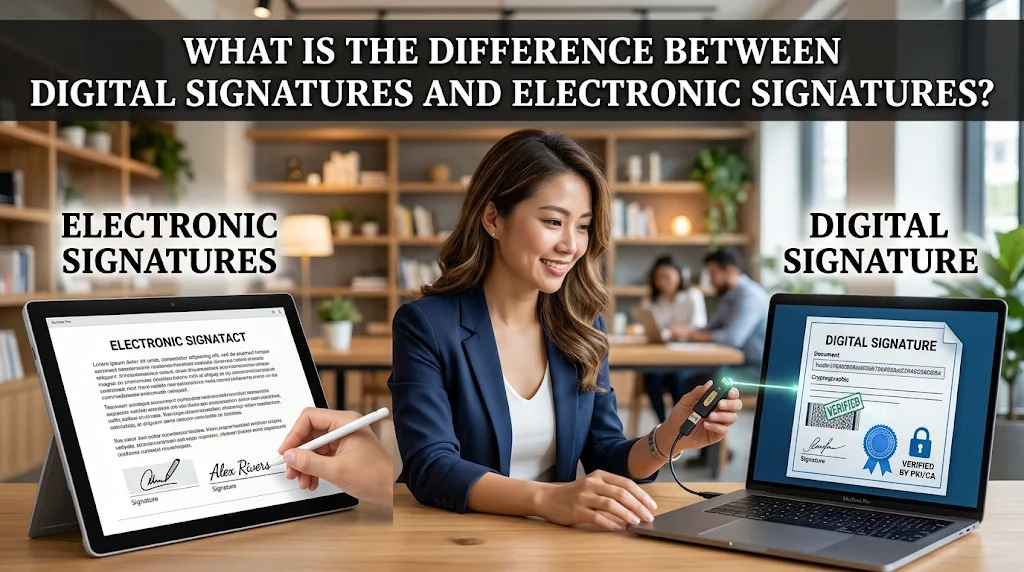
Digital technology has changed the way individuals and organizations approve documents, complete agreements, and manage administrative activities. Many processes that once required printed papers and handwritten signatures can now be completed electronically. As a result, electronic signatures and digital signatures have become increasingly common in business transactions, educational administration, and various professional activities.
Although these two terms are often used interchangeably, they do not have exactly the same meaning. An electronic signature is a broad term for electronic methods of indicating agreement or approval, while a digital signature is a specific type of electronic signature that uses cryptographic technology. Understanding the difference between digital signatures and electronic signatures helps individuals and organizations choose an appropriate signing method based on security, legal requirements, and document needs.
UNDERSTANDING THE MEANING OF ELECTRONIC SIGNATURES
An electronic signature refers to electronic data or an action used by a person to indicate agreement, approval, or acceptance of a document. It can take several forms, depending on the platform and the requirements of a particular transaction. Examples include typing a name into a document, selecting an approval button, drawing a signature on a touchscreen, or using a dedicated electronic signing service.
Electronic signatures are widely used because they make document approval more convenient. For example, an individual may sign an online registration form by typing their name into a designated field. A customer may also approve certain digital agreements through an electronic platform without printing the document.
However, not every electronic signature provides the same level of identity verification or document protection. Some methods rely on basic confirmation, while others include authentication features such as email verification, access codes, or identity checks. Therefore, users should consider the security and legal requirements associated with the document before choosing an electronic signing method.
UNDERSTANDING THE MEANING OF DIGITAL SIGNATURES
A digital signature is a specific type of electronic signature that uses cryptographic technology to verify the authenticity of a signed document and help protect its integrity. Unlike a simple image of a handwritten signature, a digital signature is generated through a mathematical process involving a private key and a corresponding public key.
When someone digitally signs a document, the system creates a unique cryptographic value based on the document's contents. The recipient can use the corresponding public key to verify the digital signature. If the document is modified after signing, the verification process can detect that its contents no longer match the original signed version.
Digital signatures are particularly useful for documents that require stronger authentication and document integrity protection. They may be used in business agreements, official administrative documents, and other transactions that require reliable verification. Cryptographic technology makes digital signatures more than a visual representation of someone's approval because it provides mechanisms for checking the signature and detecting unauthorized document changes.
THE MAIN DIFFERENCES BETWEEN DIGITAL AND ELECTRONIC SIGNATURES
The most important difference between these two methods is their scope and technology. Electronic signatures include various electronic ways of showing agreement, while digital signatures specifically use cryptographic mechanisms. This means that every digital signature can be considered an electronic signature, but not every electronic signature is a digital signature.
Another difference involves document verification. A basic electronic signature may not automatically provide cryptographic evidence that the document has remained unchanged. Digital signatures, on the other hand, are designed to support verification through cryptographic keys and document integrity checks. The actual security level of an electronic signing process still depends on the authentication methods and platform being used.
Digital signatures also have specific technical characteristics that distinguish them from other electronic signing methods. They can provide evidence that a document has been signed using a particular signing credential and help recipients identify unauthorized modifications. Understanding the technical differences between these signature methods helps users select a solution that matches the security requirements of their documents.
COMPARING SECURITY AND LEGAL RECOGNITION
Security is an important consideration when choosing between electronic and digital signatures. Electronic signatures can include different authentication methods, such as passwords, one-time codes, email confirmations, or identity verification. The strength of the protection depends on how these features are implemented and managed.
Digital signatures provide additional cryptographic mechanisms for verifying document integrity and the relationship between a signature and its signing key. However, they are not automatically secure in every situation. If a private key is stolen or improperly managed, another person may be able to misuse it. Organizations must therefore protect signing credentials and use reliable verification procedures.
Legal recognition of electronic signatures also depends on the laws and regulations of the relevant country. Many jurisdictions recognize electronic signatures in certain circumstances, while some documents or transactions may require specific signing methods or additional identity verification. In Indonesia, for example, electronic information and transactions are regulated under applicable electronic information laws and implementing regulations. Users should check the current regulatory framework and the legal requirements of their jurisdiction before signing important documents.
CHOOSING THE RIGHT SIGNATURE METHOD FOR DIFFERENT NEEDS
Selecting between electronic signatures and digital signatures requires an understanding of the document's purpose. For routine activities, such as confirming participation in an online form or approving a simple internal request, a basic electronic signature may be sufficient when accepted by the relevant organization. Its convenience can help simplify everyday administrative activities.
For documents that require stronger identity verification and protection against unauthorized changes, a digital signature may be more appropriate. Businesses handling contracts, official records, and sensitive documents may benefit from cryptographic signing systems, particularly when they need reliable verification and audit records.
Before choosing a platform, users should examine its security features, identity verification procedures, document storage policies, and legal compliance. They should also consider whether the platform supports the document format and signing requirements of the receiving organization. Choosing the right digital signing method helps balance convenience, security, and legal validity in electronic transactions.
CONCLUSION
Digital signatures and electronic signatures are closely related, but they have different meanings and technical characteristics. Electronic signatures cover a broad range of electronic methods used to indicate approval or agreement, while digital signatures use cryptographic technology to support signer verification and document integrity. Understanding this distinction helps individuals and organizations make more informed decisions when handling electronic documents.
Both methods can simplify document management and reduce dependence on traditional paperwork. However, the appropriate choice depends on the level of security required, the type of document, the signing platform, and applicable legal regulations. By understanding the differences between digital and electronic signatures, users can select a signing method that better meets their needs while maintaining security and trust in digital transactions.
Recent Posts

How Does Technology Make Daily Evaluation... 21.11.2026/62 View

Apa Strategi Menghadapi Kesenjangan antara Kompetensi... 21.11.2026/63 View

Mengapa Inventaris Aset Penting bagi Kelancaran... 21.11.2026/59 View

When Should Musicians Join a Record... 21.11.2026/58 View

Daily Evaluation or Daily Planning Which... 21.11.2026/66 View
