

What Is the Difference Between Fake Identity and Identity Theft?
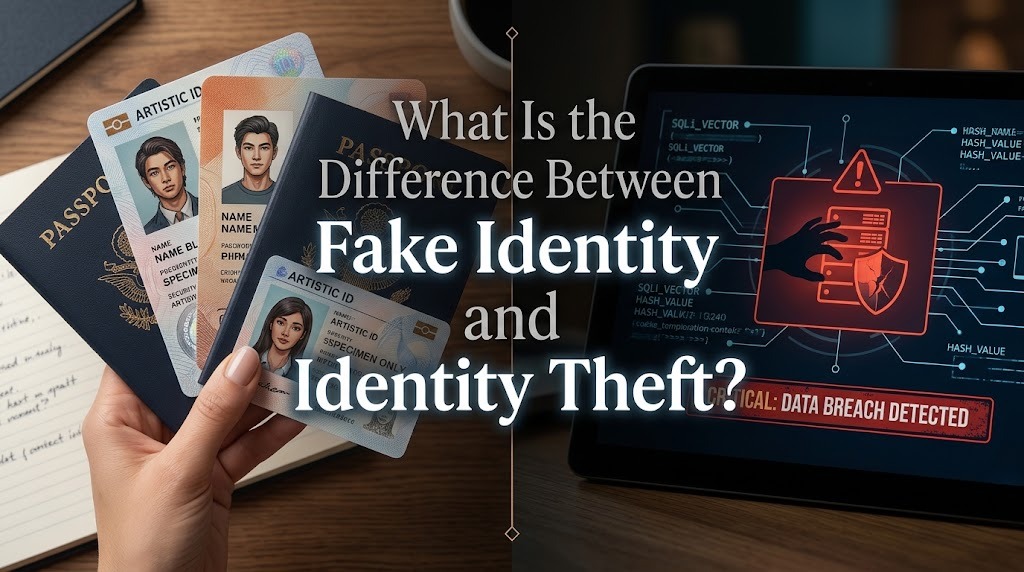
Fake identity and identity theft are two terms related to the misuse of personal information, but they have different meanings and purposes. Both can create serious problems for individuals, businesses, and organizations, especially as digital activities become increasingly common. These practices are often associated with online fraud, financial crimes, and unauthorized access to personal accounts.
Although fake identity and identity theft may seem similar, the main difference lies in how personal information is obtained and used. Fake identity generally involves creating or using false personal details to pretend to be someone else or present a different identity. Meanwhile, identity theft occurs when someone uses another person's actual personal information without permission, usually for fraudulent purposes. Understanding these differences can help people recognize potential threats and protect their personal information.
WHAT IS A FAKE IDENTITY?
A fake identity refers to an identity created using false, altered, or fabricated personal information. Someone using a fake identity may invent a name, date of birth, address, employment history, or other personal details to present themselves as a different person. This identity may be used on social media, online dating platforms, business transactions, or applications for certain services.
In many cases, fake identities are created to hide someone's real background or mislead other people. For example, a person may create a social media account using another name and a photograph that does not belong to them. Some individuals also use fabricated documents or false professional information to gain trust or obtain benefits they are not entitled to receive.
However, not every use of an alternative name is fraudulent. People may use nicknames, stage names, or pseudonyms for legitimate privacy and professional reasons. A fake identity becomes a serious concern when it involves deception, impersonation, fraud, or other unlawful activities.
WHAT IS IDENTITY THEFT?
Identity theft is the unauthorized use of another person's personal information without their knowledge or permission. Criminals may obtain information such as identification numbers, bank account details, passwords, phone numbers, or other sensitive data. They then use this information to impersonate the victim or carry out activities under the victim's name.
One common example is when someone steals another person's identity information to apply for loans, open financial accounts, or make unauthorized purchases. Identity theft can also involve taking control of social media accounts, accessing private information, or using someone's identity to deceive other people. In some cases, victims only discover the problem after receiving unexpected bills, suspicious transaction notifications, or reports of unfamiliar accounts.
Identity theft can cause financial losses, damage to personal reputations, and difficulties when restoring access to compromised accounts. The consequences may also continue for a long time if stolen information is shared or used repeatedly. Therefore, protecting personal information is essential to reducing the risk of identity theft.
KEY DIFFERENCES BETWEEN FAKE IDENTITY AND IDENTITY THEFT
The main difference between fake identity and identity theft is the source and use of the personal information. Fake identity involves presenting fabricated or misleading information as a real identity. Identity theft, on the other hand, involves using another person's genuine personal information without authorization.
Another difference can be seen in how these activities affect other people. Someone using a fake identity may deceive others by pretending to have a different background or personal history. Meanwhile, identity theft directly involves the misuse of an actual person's identity and can affect their financial records, accounts, and reputation.
Although they are different, fake identity and identity theft can sometimes occur together. For example, someone may steal another person's personal information and then use it to create a fake profile or impersonate that individual.
COMMON EXAMPLES OF FAKE IDENTITY AND IDENTITY THEFT
Fake identity can appear in many everyday situations, particularly in digital environments. For example, someone may create an online dating profile using a false name, an unrelated photograph, and an invented personal background. Another example is an individual who provides fabricated educational qualifications or employment experience to gain professional opportunities.
Identity theft usually involves more direct misuse of another person's information. For instance, a criminal may obtain someone's identification details and use them to apply for financial services without permission. Another example is stealing login credentials to access a victim's email or social media account and using that access to deceive their contacts.
These examples show that both practices can involve deception, but the methods and consequences are not always the same. Fake identity focuses on presenting false personal details, while identity theft involves taking advantage of another person's actual identity. Recognizing these situations can help individuals respond appropriately and avoid becoming victims of fraud.
HOW TO PREVENT FAKE IDENTITY AND IDENTITY THEFT
Preventing fake identity and identity theft requires awareness and careful handling of personal information. People should avoid sharing sensitive details with unfamiliar individuals or unverified websites. Information such as identification numbers, banking details, passwords, and one-time verification codes should always be protected.
Using strong and unique passwords is another important security measure. Enabling two-factor authentication can provide additional protection when someone attempts to access an account without permission. People should also review their financial transactions and account activity regularly to identify suspicious behavior as early as possible.
When interacting with unfamiliar people online, check whether their personal information is consistent and reasonably verifiable. If someone claims to represent a company, contact the organization through its official communication channels. If identity theft is suspected, immediately contact the relevant bank or service provider, secure affected accounts, preserve evidence, and report the incident to the appropriate authorities.
CONCLUSION
Fake identity and identity theft are different forms of identity-related misuse that can lead to fraud and other serious consequences. Fake identity involves creating or using false personal information, while identity theft involves using another person's genuine information without authorization. Both can occur online and offline, depending on the purpose and methods used.
Understanding the differences between these practices helps people recognize suspicious activities and take appropriate precautions. By protecting personal information, verifying unfamiliar identities, and securing digital accounts, individuals can reduce the risk of identity-related crimes.
Recent Posts

Bagaimana Sistem SKS pada Program Kuliah... 22.11.2026/37 View

How Does Technology Make Daily Evaluation... 21.11.2026/70 View

Apa Strategi Menghadapi Kesenjangan antara Kompetensi... 21.11.2026/73 View

Mengapa Inventaris Aset Penting bagi Kelancaran... 21.11.2026/68 View

When Should Musicians Join a Record... 21.11.2026/71 View
