

What Is the Difference Between Operating Costs and Production Costs?
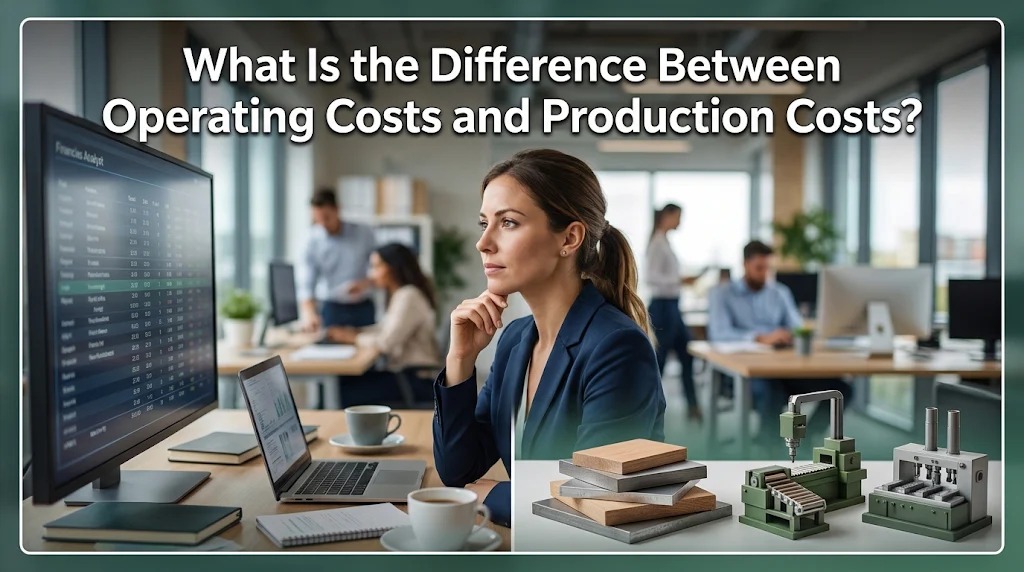
Understanding the difference between operating costs and production costs is essential for managing a business effectively. Both types of expenses play an important role in determining a company's financial performance, profitability, and ability to operate efficiently. However, they serve different purposes and are recorded in different ways.
Operating costs are expenses required to keep a business running on a daily basis, while production costs are expenses directly or indirectly related to manufacturing goods or creating products. Understanding these differences helps business owners prepare accurate budgets, control expenses, determine product prices, and improve financial management.
UNDERSTANDING OPERATING COSTS
Operating costs are the expenses a company incurs to maintain its regular business activities. These expenses support daily operations and ensure that the business can continue providing products or services to customers. Examples include employee salaries, office rent, electricity, internet subscriptions, marketing expenses, and administrative costs. These expenses are generally necessary even when a company is not actively manufacturing products.
Operating costs can vary depending on the size, industry, and activities of a business. For example, a retail company needs to pay store rent, employee wages, and promotional expenses to maintain its operations. A service company may spend more on employee salaries, software subscriptions, and office facilities. Managing these expenses is important because excessive operating costs can reduce a company's net profit.
UNDERSTANDING PRODUCTION COSTS
Production costs refer to the expenses required to manufacture goods or create products. These costs are directly connected to the production process and include the resources needed to transform raw materials into finished products. Common examples are raw materials, factory workers' wages, and manufacturing equipment expenses. Without these resources, a manufacturing company cannot produce goods for sale.
Production costs generally consist of three main components: direct materials, direct labor, and manufacturing overhead. Direct materials include resources that become part of the finished product, while direct labor refers to wages paid to employees who work directly on production. Manufacturing overhead includes indirect factory expenses such as equipment depreciation, factory rent, and production-related electricity. Understanding these components helps businesses calculate product costs accurately and evaluate manufacturing efficiency.
KEY DIFFERENCES BETWEEN OPERATING COSTS AND PRODUCTION COSTS
The main difference between operating costs and production costs is their purpose. Operating costs support the overall activities of a business, whereas production costs are specifically related to creating goods. For example, office rent and advertising expenses are operating costs, while raw materials and factory labor are production costs. Both are necessary, but they contribute to different parts of business activities.
Another difference involves how these expenses are recorded in financial statements. Production costs are generally included in inventory costs and become part of the cost of goods sold when the products are sold. Meanwhile, operating expenses are usually recorded as expenses during the accounting period in which they are incurred. This distinction is important because it affects inventory valuation, financial reporting, and profit calculations.
The two categories also differ in how they change with business activity. Some production costs increase when a company manufactures more products, such as raw material expenses. Operating costs may remain relatively stable in the short term, although certain expenses, such as delivery and sales commissions, can increase as business activity grows. Therefore, companies need different strategies to monitor and control each type of expense.
EXAMPLES OF OPERATING COSTS AND PRODUCTION COSTS IN BUSINESS
A manufacturing company provides a clear example of how these two expenses work. Suppose a furniture manufacturer produces tables and chairs. The company spends money on wood, nails, paint, factory workers, and machine maintenance. These expenses are classified as production costs because they support the manufacturing process.
At the same time, the company must pay office employee salaries, advertising expenses, administrative costs, and sales department expenses. These are operating costs because they support the company's general business activities rather than directly manufacturing furniture. Separating these expenses allows management to understand how much money is spent on production and how much is needed to run the overall business.
This classification also helps businesses identify areas where expenses can be reduced. For example, a company may negotiate better prices with raw material suppliers to lower production costs. Meanwhile, it can reduce unnecessary administrative spending or improve marketing efficiency to control operating costs. Both approaches can improve profitability without automatically reducing product quality.
WHY BUSINESSES NEED TO MANAGE BOTH TYPES OF COSTS
Managing operating costs and production costs is important because both directly influence business profitability. High production costs can make products more expensive to manufacture, reducing the company's profit margin if selling prices remain unchanged. Similarly, excessive operating expenses can reduce the amount of profit generated from sales. Businesses must therefore monitor both categories to maintain healthy financial performance.
Accurate cost management also helps companies establish appropriate selling prices. By understanding production costs, businesses can calculate the minimum amount needed to cover the expenses of making each product. Meanwhile, operating costs help determine how much additional revenue is necessary to support the company's overall activities. This information allows management to develop realistic pricing and financial strategies.
In addition, effective cost control improves budgeting and business planning. Companies can evaluate spending patterns, identify unnecessary expenses, and allocate resources more efficiently. Regular financial evaluations also help managers respond to changes in material prices, employee expenses, and market demand. As a result, businesses can make better decisions and maintain long-term financial stability.
CONCLUSION
Operating costs and production costs are two important expense categories that serve different purposes in business management. Operating costs support daily business activities, while production costs cover the resources needed to manufacture goods. Understanding their differences helps companies classify expenses correctly, calculate product costs, prepare accurate budgets, and determine appropriate selling prices. By managing both categories effectively, businesses can improve operational efficiency, protect profitability, and achieve sustainable growth.
Recent Posts

Bagaimana Sistem SKS pada Program Kuliah... 22.11.2026/35 View

How Does Technology Make Daily Evaluation... 21.11.2026/69 View

Apa Strategi Menghadapi Kesenjangan antara Kompetensi... 21.11.2026/69 View

Mengapa Inventaris Aset Penting bagi Kelancaran... 21.11.2026/67 View

When Should Musicians Join a Record... 21.11.2026/68 View
