

What Is the Difference Between Personal and Corporate Tax Reporting?
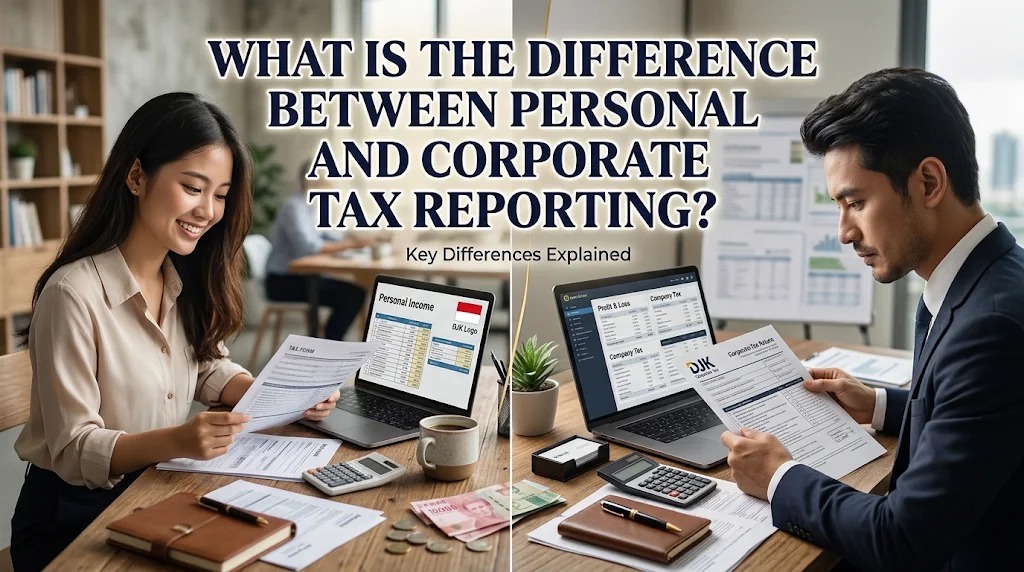
Tax reporting is an important responsibility for individuals and businesses because it helps ensure that tax obligations are fulfilled according to applicable regulations. Although both individuals and companies are required to report certain financial and tax information, the reporting process is not exactly the same. Differences in income sources, financial activities, tax calculations, and administrative requirements make personal and corporate tax reporting distinct from one another.
Personal tax reporting focuses on an individual's income, assets, and tax obligations, while corporate tax reporting concerns the financial activities and tax responsibilities of a business entity. Understanding these differences can help taxpayers prepare the correct documents, follow reporting procedures, and avoid mistakes when submitting their annual tax returns.
DIFFERENCES IN TAXPAYERS AND REPORTING RESPONSIBILITIES
The main difference between personal and corporate tax reporting lies in the taxpayer responsible for submitting the report. Personal tax reporting is completed by individuals who have tax obligations, such as employees, entrepreneurs, freelancers, or other income earners. The report generally describes the individual's financial circumstances and income earned during a particular tax period.
Corporate tax reporting, on the other hand, is submitted by business entities that have tax obligations under applicable regulations. Companies must report financial information related to their business activities, including revenue, expenses, profits, and other relevant tax information. The responsibility for preparing and submitting the report usually involves the company's management, finance department, or appointed tax professionals.
These differences also affect how tax responsibilities are managed. Individuals generally handle their own tax reporting, although they may receive assistance from an employer or tax consultant. Companies usually require more structured administrative procedures because their financial activities involve multiple transactions and business operations.
DIFFERENCES IN REQUIRED DOCUMENTS AND FINANCIAL INFORMATION
Personal and corporate tax reporting also require different supporting documents. Individuals may need information about employment income, business income, tax deductions, and other relevant financial details. Supporting documents can include income statements, withholding tax certificates, records of additional income, and information about assets and liabilities when required.
Corporate tax reporting generally involves more extensive financial documentation. Businesses may need financial statements, accounting records, transaction reports, expense documentation, and information about income and tax payments. These documents help establish the company's financial position and determine its tax obligations for the reporting period.
The complexity of corporate documentation is influenced by the scale and nature of business operations. A company with numerous transactions may need a more comprehensive accounting system to organize its financial information. Accurate financial records are therefore important for both individuals and businesses because they support the preparation of reliable tax reports.
DIFFERENCES IN TAX CALCULATION AND REPORTING PROCEDURES
Personal tax calculations generally depend on an individual's taxable income, applicable deductions, and relevant tax provisions. For example, employees may use information from their annual income statements and withholding tax certificates when preparing their annual tax returns. Individuals with additional income sources may also need to combine relevant financial information to calculate their tax obligations correctly.
Corporate tax calculations are generally based on the company's taxable income and applicable business tax regulations. The calculation may involve revenue, deductible expenses, fiscal adjustments, and other elements that affect the company's taxable profit. Because business transactions can be more complex, companies often rely on accounting systems and professional assistance to support accurate calculations.
The reporting procedures also differ depending on the taxpayer's category and applicable requirements. Individuals and companies may use digital tax platforms, but the forms, information requested, and supporting documents can vary. Understanding the applicable tax calculation and reporting procedures helps taxpayers prepare their returns more carefully and reduce the risk of administrative errors.
DIFFERENCES IN REPORTING COMPLEXITY AND ADMINISTRATIVE NEEDS
Personal tax reporting is generally more straightforward when an individual has only one source of income and complete supporting documents. However, the process can become more complicated when the individual receives income from several sources, operates a business, or has other financial activities that must be reported. Taxpayers need to understand which information is relevant and ensure that the details entered into their returns are accurate.
Corporate tax reporting usually requires more extensive coordination because it involves financial information from different business activities. The accounting, finance, and management teams may need to work together to collect data, review transactions, and prepare the necessary reports. Larger companies may also require assistance from tax consultants or accounting professionals to address complex reporting matters.
Both types of reporting benefit from organized records and careful preparation. Individuals can maintain personal income documents throughout the year, while businesses can use accounting software and internal procedures to record financial transactions. Proper tax administration helps reduce errors, supports compliance, and makes the reporting process more manageable.
THE IMPORTANCE OF COMPLIANCE FOR INDIVIDUALS AND BUSINESSES
Although personal and corporate tax reporting have different requirements, both are important for fulfilling tax responsibilities. Individuals need to report their income and other required information accurately, while companies must ensure that their financial and tax reports reflect their business activities. Submitting accurate information helps taxpayers meet their obligations and maintain proper financial records.
Failure to follow tax reporting requirements can lead to administrative consequences in accordance with applicable regulations. The consequences may differ depending on the type of taxpayer, the nature of the violation, and the circumstances involved. Therefore, individuals and companies should understand the relevant deadlines, reporting procedures, and obligations that apply to them.
Compliance also supports better financial management. Individuals can use organized tax records to understand their income and financial responsibilities, while businesses can use accurate reporting to evaluate financial performance and plan future operations. Consistent tax compliance is an important part of responsible financial management for both individuals and companies.
CONCLUSION
Personal and corporate tax reporting differ in terms of taxpayers, required documents, tax calculations, reporting complexity, and administrative responsibilities. Personal tax reporting focuses on an individual's income and financial obligations, whereas corporate tax reporting covers the financial activities and tax responsibilities of a business entity. These differences mean that each taxpayer must understand the requirements relevant to their specific situation.
Despite these distinctions, both individuals and businesses need to maintain accurate financial records and submit tax reports according to applicable regulations. Preparing documents carefully, understanding tax procedures, and using available digital services can help make the process more efficient. By recognizing the differences between personal and corporate tax reporting, taxpayers can fulfill their responsibilities more accurately and maintain better financial administration.
Recent Posts

How Does Technology Make Daily Evaluation... 21.11.2026/58 View

Apa Strategi Menghadapi Kesenjangan antara Kompetensi... 21.11.2026/60 View

Mengapa Inventaris Aset Penting bagi Kelancaran... 21.11.2026/56 View

When Should Musicians Join a Record... 21.11.2026/55 View

Daily Evaluation or Daily Planning Which... 21.11.2026/63 View
