

What Is the Difference Between Production Staff and Operators?
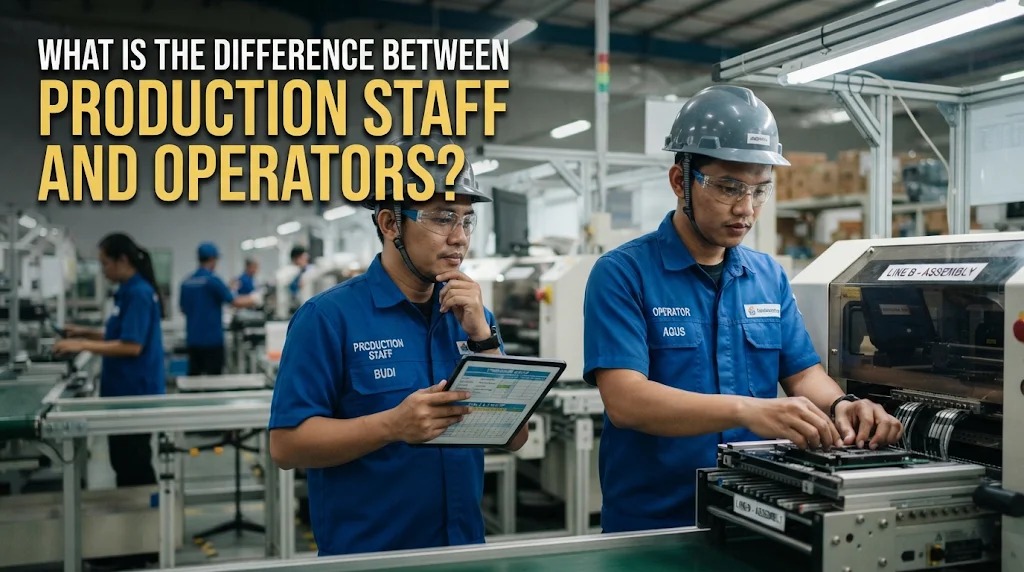
Production staff and operators are two important roles in the manufacturing industry. Both contribute to the production process, but they have different responsibilities and levels of involvement. Production staff generally handle various activities related to planning, monitoring, coordinating, and maintaining production operations. Meanwhile, operators focus more directly on operating machines, handling equipment, and completing specific manufacturing tasks. Understanding the difference between these positions can help job seekers choose a career that matches their skills and interests.
MAIN RESPONSIBILITIES OF PRODUCTION STAFF
Production staff are responsible for supporting the overall manufacturing process to ensure that production activities run smoothly. Their duties may include preparing production schedules, monitoring work progress, checking product quality, and coordinating with other departments. They also help ensure that production targets are achieved according to company standards. In some companies, production staff handle administrative tasks, record production data, and prepare reports for supervisors.
Another important responsibility is identifying problems that may affect production efficiency. For example, they may investigate delays, report material shortages, or coordinate solutions when production does not follow the planned schedule. Their work requires good communication, organization, and problem-solving skills. By managing these activities, production staff help maintain an organized and efficient manufacturing environment.
MAIN RESPONSIBILITIES OF PRODUCTION OPERATORS
Production operators are employees who directly perform manufacturing activities using machines, tools, or other production equipment. Their responsibilities depend on the type of factory and products being manufactured. They may operate machines, assemble product components, package finished goods, or handle materials during the production process. Operators must follow work instructions and safety procedures to prevent accidents and product defects.
Accuracy and consistency are essential for production operators because their daily tasks directly influence the quality of finished products. They must check machine conditions, monitor production results, and report equipment problems to supervisors or maintenance teams. Some operators also perform basic inspections to identify damaged or defective products. Their practical skills and attention to detail help ensure that production activities meet established standards.
KEY DIFFERENCES BETWEEN PRODUCTION STAFF AND OPERATORS
The main difference between production staff and operators is the nature of their work. Production staff often focus on coordinating, monitoring, documenting, and supporting production activities, while operators concentrate on carrying out specific manufacturing tasks. Production staff may work with schedules, reports, production targets, and quality information. Operators generally spend more time working directly with machines, materials, and products.
Their required skills can also be different. Production staff need communication, planning, administrative, and analytical abilities to manage production activities effectively. Operators need technical skills, machine-handling abilities, physical accuracy, and an understanding of workplace safety. However, both positions require discipline, responsibility, teamwork, and the ability to follow company procedures. The exact division of duties may vary depending on the company's organizational structure.
REQUIRED SKILLS FOR EACH POSITION
Production staff need several skills to support manufacturing operations successfully. Communication is important because they often coordinate with supervisors, operators, warehouse employees, and quality control teams. They should also understand production planning, data recording, inventory monitoring, and basic problem-solving. Computer skills, particularly the ability to use spreadsheet applications, can help them prepare reports and organize production information.
Production operators need practical and technical abilities related to the equipment and processes they handle. They must understand machine instructions, recognize potential equipment problems, and follow standard operating procedures. Attention to detail is also necessary when assembling, processing, or packaging products. In addition, operators should understand occupational safety requirements to protect themselves and their coworkers.
HOW PRODUCTION STAFF AND OPERATORS WORK TOGETHER
Production staff and operators must cooperate to achieve the company's manufacturing targets. Production staff may provide work schedules, instructions, material information, and production requirements. Operators then use this information to complete their assigned tasks according to established procedures. Good coordination helps prevent misunderstandings, delays, and mistakes during manufacturing.
Communication between these positions is also important when problems occur. For example, an operator may report a machine malfunction or a shortage of materials, allowing production staff to coordinate with the relevant department. Production staff can then help adjust schedules or communicate necessary changes to supervisors. Through effective teamwork, both positions contribute to productivity, product quality, and workplace safety.
WHICH POSITION IS RIGHT FOR YOUR CAREER?
Choosing between production staff and operator positions depends on a person's interests, abilities, and career goals. People who enjoy organizing activities, preparing reports, coordinating teams, and analyzing production information may be more suited to production staff roles. These positions can provide experience in production administration, planning, and operational management.
Meanwhile, individuals who enjoy practical work, operating machinery, and learning technical processes may prefer becoming production operators. This position can help employees develop technical knowledge and hands-on manufacturing experience. Both career paths offer opportunities for professional development, including advancement into supervisory positions. Job seekers should review the qualifications and responsibilities listed by employers before deciding which position to pursue.
CONCLUSION
Production staff and operators have different but closely connected responsibilities in the manufacturing industry. Production staff generally support and coordinate production activities, while operators directly handle machines, materials, and manufacturing tasks. Both roles are essential for maintaining productivity, product quality, and workplace safety. Understanding their differences can help job seekers identify suitable career opportunities and prepare the skills needed for the manufacturing sector.
Recent Posts

Mengapa Surat Lamaran Kerja yang Personal... 20.11.2026/37 View

Apa Saja Kesalahan Mahasiswa dalam Membangun... 20.11.2026/37 View

Bagaimana Cara Menunjukkan Kemampuan Diri agar... 20.11.2026/44 View

Apa Saja Kesalahan yang Harus Dihindari... 20.11.2026/42 View

Apa yang Dimaksud dengan Evaluasi Harian... 20.11.2026/44 View
