

What Is the Difference Between Work Accident Insurance and Health Insurance?
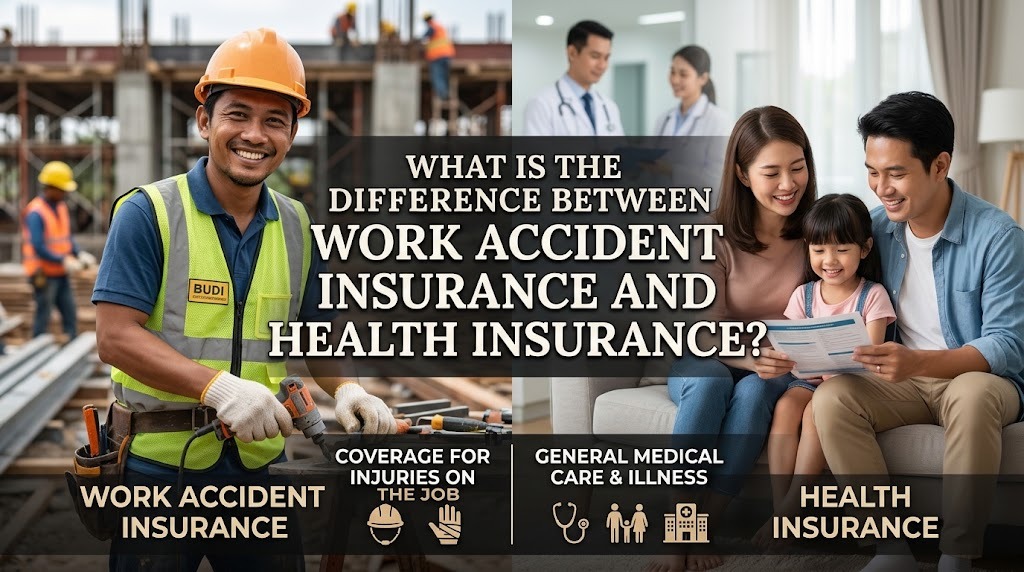
Insurance plays an important role in protecting employees from unexpected health problems and financial difficulties. However, not all insurance programs provide the same type of protection. Work accident insurance and health insurance are two forms of coverage that are often associated with employee welfare, but they have different purposes, benefits, and eligibility requirements. Understanding these differences helps employees recognize which protection they need and how each insurance program works. It also allows companies to provide more appropriate support for their workforce.
DIFFERENT PURPOSES OF INSURANCE COVERAGE
The main difference between work accident insurance and health insurance is their purpose. Work accident insurance is specifically designed to protect employees against accidents and illnesses related to their occupational activities. It provides benefits when workers experience qualifying incidents connected to their jobs. These benefits may include medical treatment, rehabilitation, and compensation for certain disabilities or other consequences of occupational accidents.
Meanwhile, health insurance generally provides broader protection for eligible healthcare needs, whether or not they are related to employment. It may cover medical consultations, hospitalization, medication, and other healthcare services according to the policy or program provisions. For example, an employee who needs treatment for a common illness may use health insurance if the condition is covered. This difference shows that the two programs serve distinct purposes. Work accident insurance focuses on occupational risks, while health insurance addresses a wider range of healthcare needs.
DIFFERENCES IN THE TYPES OF RISKS COVERED
Work accident insurance generally covers risks that have a direct connection to employment activities. These may include injuries caused by workplace incidents, qualifying accidents during work assignments, and recognized occupational diseases. Certain programs may also provide protection for qualifying accidents that happen during travel between home and work. The exact coverage depends on the applicable regulations and the employee's participation status.
Health insurance, on the other hand, generally covers various medical conditions that are not necessarily connected to an employee's job. These may include common illnesses, infections, medical examinations, and other healthcare needs included in the coverage. However, the benefits and exclusions vary between insurance providers and programs. Employees should review their policy details to understand which treatments are covered. Understanding the scope of coverage helps workers avoid confusion when choosing the appropriate insurance for a particular medical situation.
DIFFERENCES IN BENEFITS PROVIDED
The benefits offered by work accident insurance and health insurance are also different. Work accident insurance may provide medical treatment specifically related to occupational incidents, rehabilitation services, temporary disability benefits, permanent disability compensation, and death benefits for eligible family members. These benefits are intended to address the medical and financial consequences of work-related accidents. Their availability depends on the employee's eligibility and the regulations of the insurance program.
Health insurance generally focuses on providing access to healthcare services. Depending on the coverage, benefits may include doctor consultations, hospitalization, diagnostic examinations, medication, and certain medical procedures. Some programs may also provide additional services, such as maternity care or preventive healthcare. Unlike work accident insurance, ordinary health insurance does not necessarily provide compensation for permanent disability caused by an occupational accident. Therefore, employees should understand the benefits of each program before relying on them for financial or medical protection.
HOW WORK ACCIDENT INSURANCE AND HEALTH INSURANCE WORK IN INDONESIA
In Indonesia, work accident protection is available through the Jaminan Kecelakaan Kerja (JKK) program managed by BPJS Ketenagakerjaan. The program provides protection for eligible workers who experience work-related accidents or occupational diseases. Its benefits may include medical services, rehabilitation, and financial assistance according to applicable regulations. Employers are generally responsible for registering eligible employees and fulfilling the required contribution obligations.
Health protection is available through programs such as BPJS Kesehatan, which administers Indonesia's National Health Insurance Program, known as Jaminan Kesehatan Nasional (JKN). This program provides access to healthcare services for eligible participants according to its procedures and coverage rules. Although both programs are part of Indonesia's social security system, they have different functions and administrative processes. Employees should understand how to access each program and where to seek assistance when they need medical services. Having information about both forms of protection helps workers make better decisions regarding their healthcare needs.
WHY EMPLOYEES NEED TO UNDERSTAND BOTH TYPES OF INSURANCE
Understanding the differences between work accident insurance and health insurance helps employees recognize their rights and avoid using the wrong claim procedure. For example, an injury caused by a qualifying workplace accident may fall under work accident insurance, while treatment for an unrelated illness may be covered by health insurance. Knowing this distinction can make the process of accessing medical services more organized. It also helps employees understand which documents and reports may be required.
Companies should also educate their employees about the insurance programs available to them. Human resources departments can explain registration procedures, contribution information, coverage limits, and claim requirements. Employees should regularly check their participation status and keep important insurance information accessible. Both types of insurance provide valuable protection, but they should not be considered interchangeable. Understanding their respective functions supports better financial planning and employee welfare.
CONCLUSION
Work accident insurance and health insurance differ in their purposes, coverage, and benefits. Work accident insurance focuses on occupational accidents and work-related illnesses, while health insurance generally covers a broader range of healthcare needs. In Indonesia, BPJS Ketenagakerjaan manages the JKK program, whereas BPJS Kesehatan administers the JKN program. Employees should understand the provisions of both programs to access the appropriate protection when needed. Having a clear understanding of these insurance differences helps workers protect their health, finances, and employment rights.
Recent Posts

Bagaimana Sistem SKS pada Program Kuliah... 22.11.2026/37 View

How Does Technology Make Daily Evaluation... 21.11.2026/70 View

Apa Strategi Menghadapi Kesenjangan antara Kompetensi... 21.11.2026/73 View

Mengapa Inventaris Aset Penting bagi Kelancaran... 21.11.2026/68 View

When Should Musicians Join a Record... 21.11.2026/71 View
