

What Is the Economic Impact of Sports Week on Local Communities?
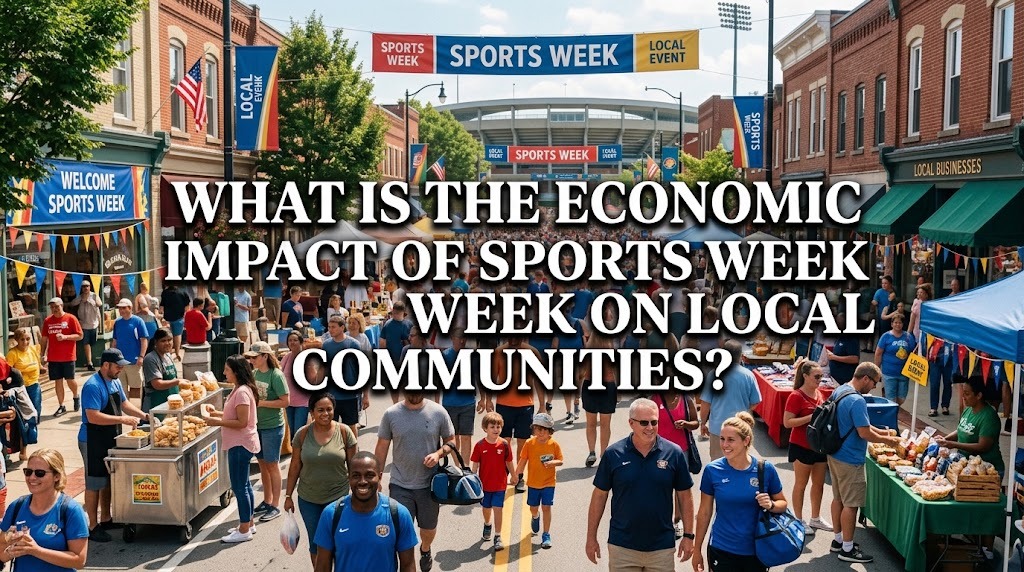
Sports Week is more than a series of athletic competitions. It can also create economic opportunities for local communities by attracting visitors, increasing sales for small businesses, and creating temporary jobs. When organized effectively, the event can support local economic growth while encouraging residents to participate in community activities. Its economic impact depends on factors such as the number of visitors, event duration, available facilities, and how much spending stays within the local area.
INCREASING SALES FOR LOCAL BUSINESSES
Sports Week can increase sales for small businesses, especially food vendors, restaurants, beverage sellers, and local shops. Athletes, spectators, coaches, and event organizers often need meals, drinks, snacks, and other daily necessities throughout the event. This additional demand gives local business owners an opportunity to earn more income than usual.
Local sellers can also offer products that reflect the area's identity, such as traditional food, handmade crafts, and regional souvenirs. By providing quality products at reasonable prices, businesses can attract visitors and encourage repeat purchases. However, the benefits depend on the number of visitors, their spending habits, and the ability of local businesses to meet demand.
CREATING TEMPORARY JOB OPPORTUNITIES
Organizing Sports Week requires workers to manage registration, prepare venues, maintain cleanliness, provide security, and support competitions. These responsibilities can create temporary employment opportunities for local residents, including students, event assistants, vendors, and service workers. Local businesses may also need additional staff to handle increased customer demand during the event.
Although many of these jobs last only for a short period, the income can help workers cover their daily expenses. Participants may also develop valuable skills in communication, teamwork, customer service, and event management. If organizers cooperate with local employment groups and businesses, more residents can benefit from these opportunities.
ATTRACTING VISITORS AND SUPPORTING TOURISM
Sports Week can attract visitors from neighboring towns, schools, universities, and sports organizations. Visitors who travel from outside the area may spend money on transportation, accommodation, food, and entertainment. This spending can benefit hotels, guesthouses, restaurants, transport providers, and other tourism-related businesses.
The event can also introduce visitors to local attractions, cultural traditions, and regional products. If the community promotes these attractions effectively, some visitors may return for future holidays or other activities. However, tourism benefits are greater when the event is well planned and visitors have convenient access to local services and attractions.
INCREASING LOCAL GOVERNMENT REVENUE
A larger number of visitors and higher business activity can contribute to local economic circulation. Depending on the location and applicable regulations, increased commercial activity may support local government revenue through relevant taxes, fees, and business-related income. This revenue can help fund public services and community development when managed effectively.
Nevertheless, the financial benefits are not automatic. Organizers and local authorities must consider expenses such as venue preparation, security, sanitation, transportation management, and public facilities. To understand the actual economic impact, they should compare the money generated by the event with the public and private costs required to organize it.
ENCOURAGING SMALL BUSINESS DEVELOPMENT
Sports Week provides a useful opportunity for small businesses to introduce their products to new customers. Vendors can test different products, improve their service, and learn which items are most popular among visitors. These experiences can help business owners understand market demand and make better decisions for future sales.
The event may also encourage cooperation between local entrepreneurs, suppliers, and event organizers. For example, organizers can prioritize local catering services, printing businesses, equipment rentals, and souvenir producers when their prices and service quality meet requirements. Such cooperation helps more event spending remain within the community instead of flowing mainly to businesses from outside the area.
IMPROVING INFRASTRUCTURE AND COMMUNITY FACILITIES
Preparing for Sports Week may encourage improvements to sports fields, public spaces, roads, parking areas, sanitation facilities, and visitor services. When these improvements are carefully planned, residents can continue using the facilities after the event ends. Better public spaces can also support future sports activities, community gatherings, and local business development.
However, infrastructure projects require careful budgeting and long-term planning. Facilities should be designed according to community needs rather than built only to accommodate a single event. Maintenance costs, accessibility, environmental effects, and future usage should be considered to ensure that improvements provide lasting benefits.
MANAGING ECONOMIC CHALLENGES AND RISKS
Despite its potential benefits, Sports Week can create economic challenges for local communities. Higher demand may temporarily increase prices for food, transportation, or accommodation. Crowded streets, traffic congestion, waste, and disruptions to regular business activities can also create costs for residents and local authorities.
Some businesses may receive little benefit if event visitors mainly purchase products from large suppliers or vendors located outside the community. Organizers can reduce this risk by involving local businesses, providing fair vendor opportunities, setting clear waste-management plans, and informing residents about traffic arrangements. Measuring visitor spending, employment opportunities, business participation, and event costs can help communities evaluate whether the event produces meaningful economic benefits.
CONCLUSION
Sports Week can have a positive economic impact on local communities by increasing business sales, creating temporary jobs, attracting visitors, and encouraging small business development. It can also support local tourism and motivate improvements to public facilities. However, these benefits depend on effective planning, responsible spending, and strong cooperation among organizers, businesses, residents, and local authorities. By prioritizing local participation and measuring both benefits and costs, communities can make Sports Week more economically valuable and sustainable.
Recent Posts

Bagaimana Sistem SKS pada Program Kuliah... 22.11.2026/50 View

How Does Technology Make Daily Evaluation... 21.11.2026/80 View

Apa Strategi Menghadapi Kesenjangan antara Kompetensi... 21.11.2026/79 View

Mengapa Inventaris Aset Penting bagi Kelancaran... 21.11.2026/75 View

When Should Musicians Join a Record... 21.11.2026/80 View
