

What Is the Future of Campus Bus Services in Modern Transportation?
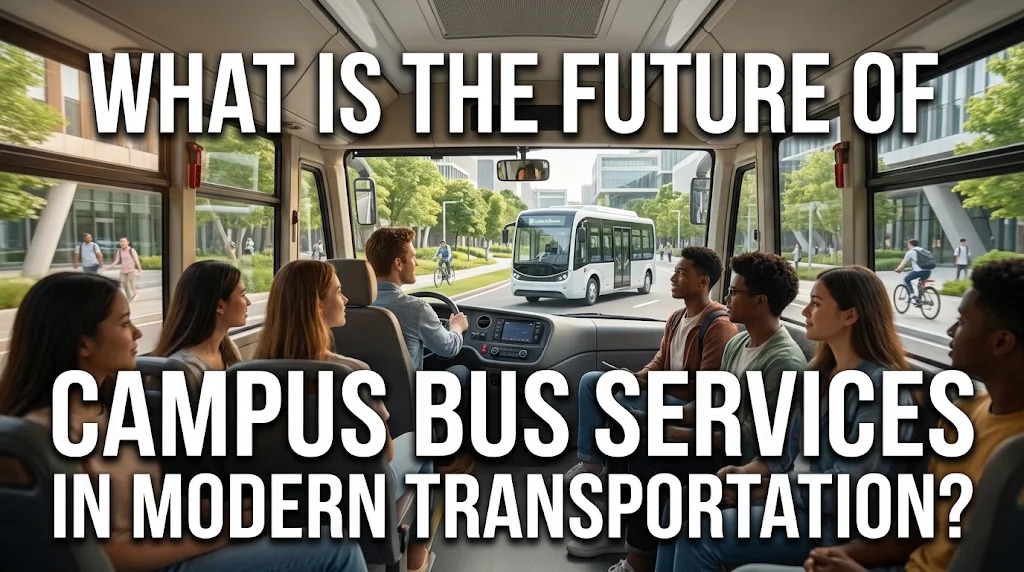
Campus bus services are becoming an important part of modern university transportation systems. As student populations grow and campus activities become more diverse, universities need transportation solutions that are efficient, affordable, safe, and environmentally friendly. Traditional campus buses are gradually being supported by modern technologies, such as GPS tracking, digital applications, electric vehicles, and intelligent transportation systems. These developments can improve how universities manage transportation and provide better services for students, lecturers, and staff. The future of campus bus services will likely focus on sustainability, technological innovation, passenger convenience, and smarter transportation management.
THE DEVELOPMENT OF SMART CAMPUS TRANSPORTATION
Smart campus transportation is expected to become an important part of future university infrastructure. This concept uses digital technology to improve the planning, operation, and monitoring of transportation services. Universities can use GPS tracking systems to monitor bus locations and provide real-time arrival information to passengers. Students can access digital platforms to check routes, schedules, and service announcements without having to visit transportation offices.
In addition, transportation managers can use collected data to understand passenger demand and identify frequently used routes. This information helps universities determine when additional buses are needed and which routes require improvement. Digital transportation systems can also make communication between passengers, drivers, and university management more efficient. As technology develops, smart transportation solutions may become increasingly common across university campuses.
THE GROWING USE OF ELECTRIC AND ENVIRONMENTALLY FRIENDLY BUSES
Environmental sustainability will play an important role in the future of campus bus services. Traditional buses that use fossil fuels produce exhaust emissions that contribute to air pollution and greenhouse gas emissions. To reduce their environmental impact, universities may gradually introduce electric buses and other low-emission transportation options. Electric buses use rechargeable batteries instead of conventional fuel engines, helping reduce direct exhaust emissions during operation.
Besides providing environmental benefits, electric buses can also offer a quieter and more comfortable passenger experience. However, adopting electric transportation requires careful planning. Universities need to consider vehicle purchasing costs, charging infrastructure, battery performance, maintenance requirements, and available electricity supplies. Some institutions may begin with a small electric bus fleet before expanding their services. With suitable investment and infrastructure, electric buses can support more sustainable campus transportation.
THE ROLE OF ARTIFICIAL INTELLIGENCE IN BUS MANAGEMENT
Artificial intelligence may significantly improve how universities manage campus bus operations. AI-powered systems can analyze transportation data to identify passenger patterns, predict demand, and recommend more efficient routes. For example, the system may estimate how many students will need transportation during morning and afternoon peak hours. This information can help transportation managers distribute buses more effectively and reduce unnecessary waiting times.
AI can also support predictive maintenance by analyzing vehicle performance data and identifying possible technical problems before serious breakdowns occur. This approach can help universities schedule repairs more efficiently and reduce unexpected service interruptions. In the future, AI may also work alongside automated traffic monitoring systems to help buses respond to changing road conditions. Although these technologies require investment, proper data management, and human supervision, they offer opportunities to improve transportation efficiency and reliability.
IMPROVING PASSENGER COMFORT AND ACCESSIBILITY
Future campus bus services will not only focus on operational efficiency but also on improving the passenger experience. Students need transportation that is comfortable, accessible, and easy to use. Universities may introduce better seating arrangements, air conditioning, digital information displays, and more convenient boarding facilities. These improvements can make daily journeys more comfortable, particularly for students who spend considerable time traveling between campus locations.
Accessibility will also become an important consideration in transportation planning. Campus buses should accommodate passengers with disabilities through appropriate vehicle designs, wheelchair access, priority seating, and suitable boarding facilities. Universities can also provide clearer route information and digital services that are easy to understand. By considering different passenger needs, institutions can develop transportation systems that support equal access to educational facilities and campus activities.
INTEGRATING CAMPUS BUSES WITH PUBLIC TRANSPORTATION
The future of campus bus services will likely involve stronger connections with public transportation networks. Universities can coordinate campus bus routes with nearby city buses, commuter trains, railway stations, and other transportation facilities. This integration makes it easier for students to travel between their homes, campuses, and other destinations without depending entirely on private vehicles. It can also reduce the difficulty of accessing university facilities from different parts of a city.
Integrated transportation systems may use connected schedules, digital travel information, and convenient payment methods. For example, students could use a digital platform to plan journeys involving both campus buses and public transportation. However, successful integration requires cooperation between universities, transportation operators, and local authorities. Clear coordination can reduce unnecessary travel delays and create a more connected transportation network. This approach can make campus mobility more practical while supporting broader urban transportation development.
CONCLUSION
The future of campus bus services in modern transportation will be shaped by digital innovation, electric vehicles, artificial intelligence, improved accessibility, and integration with public transportation. These developments can help universities provide safer, more efficient, and environmentally responsible transportation services. However, successful implementation requires sufficient funding, suitable infrastructure, reliable technology, and effective management. By adapting to changing transportation needs, universities can build smarter campus transportation systems that support students, staff, and sustainable mobility in the future.
Recent Posts

Bagaimana Sistem SKS pada Program Kuliah... 22.11.2026/30 View

How Does Technology Make Daily Evaluation... 21.11.2026/66 View

Apa Strategi Menghadapi Kesenjangan antara Kompetensi... 21.11.2026/65 View

Mengapa Inventaris Aset Penting bagi Kelancaran... 21.11.2026/64 View

When Should Musicians Join a Record... 21.11.2026/64 View
