

What Is the Future of Creator Communities in the Age of Artificial Intelligence and Digital Technology?
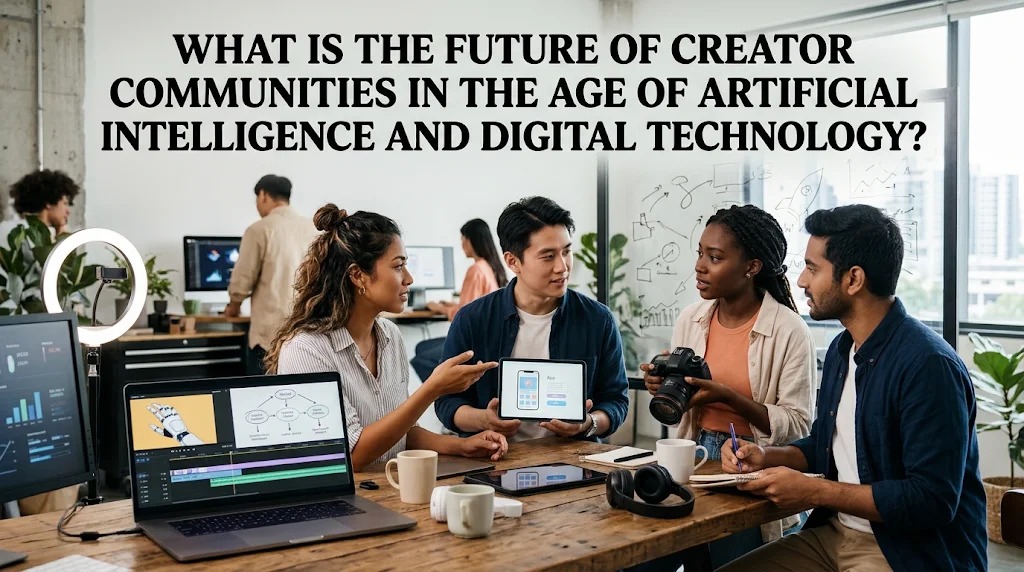
The development of artificial intelligence (AI) and digital technology is changing how people create, distribute, and consume online content. Various digital tools now allow creators to produce videos, graphics, articles, and other creative materials more efficiently. These developments also create new opportunities for individuals to develop their talents and build careers in the digital industry.
In this changing environment, creator communities are expected to play an increasingly important role. These communities bring together individuals with different creative abilities who want to learn, collaborate, and adapt to technological developments. Through knowledge sharing and collective experiences, members can understand new technologies while maintaining their creative identities.
The future of creator communities will not only depend on technological innovation but also on human creativity, collaboration, and professional relationships. Communities that can adapt to changes while providing meaningful benefits for their members will have greater opportunities to grow and remain relevant.
THE GROWING ROLE OF ARTIFICIAL INTELLIGENCE IN CONTENT CREATION
Artificial intelligence is becoming an important part of the digital content industry. AI-powered applications can help creators generate ideas, organize information, edit images, produce video concepts, and improve writing processes. These capabilities allow individuals to complete certain creative tasks more efficiently.
Creator communities can help members understand how to use AI tools effectively. Experienced users can share tutorials, practical experiences, and recommendations about applications that support different creative activities. Beginners can also learn how to use these technologies without relying entirely on automated processes.
However, AI also creates challenges related to originality, accuracy, copyright, and ethical content production. Creators must review AI-generated information and ensure that their work provides genuine value to audiences. Human creativity and critical thinking will remain important because technology should support creative decisions rather than replace individual ideas and judgment.
EXPANDING COLLABORATION THROUGH DIGITAL PLATFORMS
Digital technology makes it easier for creators to collaborate without being limited by geographical distance. Members can communicate through online communities, video conferencing applications, messaging platforms, and collaborative project management tools. These platforms allow individuals from different regions to work together on creative projects.
For example, a writer in one city can collaborate with a graphic designer in another region to produce educational content. A video editor can also work with an international content creator to develop digital campaigns. These opportunities allow community members to combine different skills and reach wider audiences.
In the future, digital collaboration may become more flexible through advanced communication tools and cloud-based creative applications. Creator communities can use these technologies to organize projects, share resources, and coordinate responsibilities more effectively. As a result, global collaboration may become an increasingly important part of creative community development.
DEVELOPING NEW DIGITAL SKILLS FOR FUTURE OPPORTUNITIES
Technological developments require creators to continuously improve their knowledge and abilities. Skills that are useful today may need to be updated as new applications, platforms, and production methods emerge. Therefore, creator communities will become valuable environments for continuous learning and professional development.
Members may need to develop skills in AI-assisted content production, video editing, digital marketing, data analysis, storytelling, and search engine optimization. Communication, teamwork, adaptability, and problem-solving will also remain important because creative projects often involve people with different responsibilities.
Creator communities can support this development through workshops, online courses, mentoring programs, and practical challenges. Experienced members can share knowledge, while beginners can contribute fresh perspectives and creative ideas. By encouraging continuous skill development, communities can help members prepare for new opportunities in the evolving digital economy.
CREATING NEW BUSINESS AND MONETIZATION OPPORTUNITIES
The future of creator communities is also closely connected to the growth of the digital economy. As more businesses use online platforms to promote products and services, demand for creative content and digital communication continues to develop. This situation creates opportunities for creators to turn their skills into professional services and business activities.
Creator communities can help members explore different income sources, including sponsored content, affiliate marketing, advertising revenue, subscriptions, online courses, and digital products. Members can exchange experiences about monetization strategies and learn how to develop content that meets audience needs.
Furthermore, communities can encourage members to establish creative businesses through collaboration and shared resources. For example, writers, designers, and digital marketers may work together to offer content production services to businesses. However, income opportunities depend on market demand, platform requirements, and individual performance. Creative entrepreneurship will become an important opportunity for communities that can combine technological knowledge with professional collaboration.
MAINTAINING ORIGINALITY, ETHICS, AND COMMUNITY TRUST
Although technology provides many advantages, creator communities must also address challenges related to digital ethics and content credibility. The increasing use of AI-generated materials can make it more difficult for audiences to distinguish original information from misleading or inaccurate content. Therefore, maintaining trust will become an important responsibility for creators.
Communities should encourage members to respect copyright, acknowledge original sources, protect personal information, and verify information before publishing it. They should also establish clear guidelines regarding the responsible use of artificial intelligence and other digital tools. These principles can help prevent plagiarism, misinformation, and inappropriate content production.
In addition, creators need to maintain their unique identities instead of depending entirely on popular trends or automated content. Audiences often value authenticity, useful information, and meaningful communication. By prioritizing originality, transparency, and professional responsibility, creator communities can build stronger relationships with audiences and maintain their credibility in the digital environment.
BUILDING INCLUSIVE AND SUSTAINABLE CREATOR COMMUNITIES
Future creator communities will need to become more inclusive and accessible to individuals with different backgrounds, experiences, and levels of digital knowledge. Technology provides opportunities for beginners to participate in creative activities without requiring expensive equipment or advanced professional experience. However, communities must ensure that members receive appropriate guidance and support.
Community organizers can create learning programs for beginners, mentoring opportunities, collaborative projects, and discussions about emerging technologies. These activities can help members develop their abilities while encouraging experienced creators to share their knowledge. A supportive environment also allows individuals to exchange ideas without feeling excluded because of differences in skills or resources.
Sustainability will also depend on effective community management. Organizers need to establish clear goals, maintain consistent communication, and evaluate whether activities provide meaningful benefits. Communities should not focus only on increasing membership numbers but also on improving participation and the quality of relationships. Inclusive participation and mutual support will help creator communities remain productive and relevant in the long term.
CONCLUSION
The future of creator communities in the age of artificial intelligence and digital technology offers many opportunities for learning, collaboration, and professional development. AI-powered tools and digital platforms can improve creative processes, expand professional networks, and introduce new ways to generate income.
However, technological advancement also requires creators to develop new skills and maintain originality, ethical standards, and audience trust. Creator communities can help members face these changes through knowledge sharing, practical learning, and mutual support.
Ultimately, successful creator communities will be those that can combine technological innovation with human creativity and meaningful relationships. By adapting to digital developments while maintaining collaboration and authenticity, creator communities can become important drivers of innovation and growth in the future creative economy.
Recent Posts

Bagaimana Sistem SKS pada Program Kuliah... 22.11.2026/35 View

How Does Technology Make Daily Evaluation... 21.11.2026/69 View

Apa Strategi Menghadapi Kesenjangan antara Kompetensi... 21.11.2026/69 View

Mengapa Inventaris Aset Penting bagi Kelancaran... 21.11.2026/67 View

When Should Musicians Join a Record... 21.11.2026/68 View
