

What Is the Future of Film Acting Careers in the Digital Era?
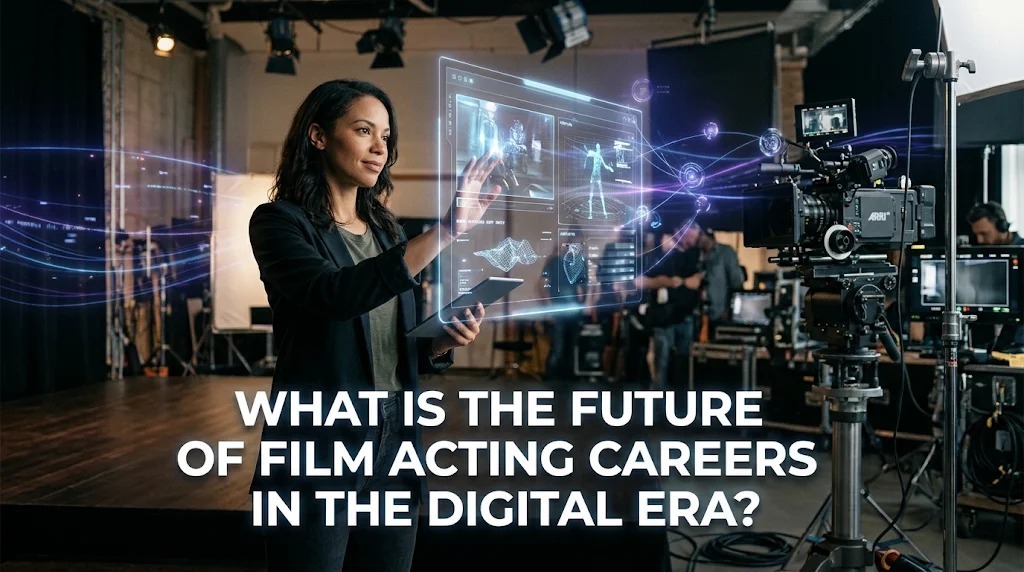
The film industry continues to experience significant changes as digital technology transforms the way movies are produced, distributed, and enjoyed. Streaming platforms, social media, artificial intelligence, and advanced visual effects have created new opportunities for filmmakers and performers. These developments also influence how film actors build their careers, reach audiences, and participate in different types of productions.
The future of film acting careers in the digital era offers promising opportunities as well as new challenges. Actors are no longer limited to traditional film studios or conventional distribution channels. They can explore independent productions, digital entertainment projects, international collaborations, and online platforms. However, they also need to adapt to technological developments, changing audience expectations, and increasingly competitive professional environments.
EXPANDING CAREER OPPORTUNITIES THROUGH STREAMING PLATFORMS
Streaming platforms have changed how audiences access films and other forms of entertainment. Movies and original productions can now reach viewers across different countries without relying entirely on traditional cinema distribution. This development creates additional opportunities for actors to participate in projects with diverse audiences and storytelling styles.
Streaming services also produce different types of content, including feature films, documentaries, limited series, and experimental productions. As a result, actors may find opportunities to explore characters and genres that receive less attention in conventional film distribution. Some productions also introduce performers from different regions to international audiences.
However, opportunities on streaming platforms still depend on production budgets, casting requirements, audience demand, and distribution strategies. Actors need to prepare themselves through relevant experience, professional portfolios, and consistent skill development. Digital distribution platforms can expand the reach of acting performances while creating additional pathways for professional growth.
INCREASING THE IMPORTANCE OF DIGITAL SKILLS AND TECHNOLOGY
Technology has become an important part of modern filmmaking. Digital cameras, computer-generated imagery, motion capture, virtual production, and advanced editing software allow production teams to create visual experiences that were previously difficult to achieve. Actors may need to understand how these technologies influence their performances and interactions on set.
For example, performers in productions using motion capture may work with specialized equipment that records their movements and facial expressions. Actors in films featuring digital environments may also need to respond naturally to objects or characters that will be added during post-production. These situations require imagination, concentration, and the ability to follow technical directions.
Digital skills are also useful outside the filming process. Actors may use online casting platforms, digital portfolios, and professional communication tools to discover opportunities and introduce their abilities. Understanding these systems can help them manage their careers more effectively. Technological awareness and adaptability will remain valuable qualities as filmmaking methods continue to develop.
CREATING PERSONAL BRANDING THROUGH SOCIAL MEDIA
Social media provides actors with opportunities to communicate directly with audiences and establish their professional identities. Platforms such as Instagram, TikTok, and YouTube allow performers to share information about their projects, creative activities, and experiences in the entertainment industry. This direct communication can help actors develop stronger relationships with followers.
Personal branding is becoming an important part of career development because public recognition can influence how actors are discovered and perceived. A consistent digital presence can introduce their personalities, interests, and professional achievements to audiences and industry professionals. Actors may also use social media to announce upcoming projects, participate in promotional activities, and connect with creative communities.
Nevertheless, maintaining an online presence requires careful judgment. Actors should consider the accuracy, relevance, and possible impact of the content they publish. Popularity on social media does not automatically guarantee acting opportunities or professional success. A positive digital reputation should support acting ability and professional credibility rather than replace them.
INCREASING INTERNATIONAL COLLABORATION AND GLOBAL EXPOSURE
Digital distribution and online communication have made international collaboration more accessible for film professionals. Production companies can work with creative teams from different countries, while actors may discover casting opportunities beyond their local entertainment industries. This development creates possibilities for cultural exchange and broader professional experiences.
International projects may require actors to understand different languages, cultural backgrounds, performance styles, and production standards. Learning another language can improve communication during auditions and filming, while cultural awareness can help performers interpret characters more accurately. Actors may also need to become familiar with different working procedures and expectations across production environments.
However, international opportunities remain influenced by casting requirements, legal arrangements, work permits, production budgets, and language proficiency. Actors should therefore prepare carefully before pursuing projects abroad. Global exposure and cross-cultural collaboration can broaden career experiences and help performers understand the wider film industry.
UNDERSTANDING ARTIFICIAL INTELLIGENCE AND DIGITAL PERFORMANCE RIGHTS
Artificial intelligence is introducing new possibilities for film production, including digital visual effects, voice processing, image generation, and automated editing support. These technologies may influence how certain scenes are created and how production teams manage visual and audio materials. For actors, understanding these developments is increasingly important because their images, voices, and recorded performances may become part of digital production processes.
AI technology can support some production tasks, but its use also raises questions about consent, compensation, privacy, and ownership. For example, creating a digital replica of an actor or using recorded voice material may require clear permission and appropriate contractual arrangements. Actors should understand the terms governing how their performances and personal likenesses can be used.
Production companies and performers also need to consider the potential effects of AI on creative work and employment opportunities. Transparent agreements can help clarify responsibilities and protect the interests of everyone involved. Digital performance rights and informed consent will remain important topics as artificial intelligence becomes more integrated into filmmaking.
CONCLUSION
The future of film acting careers in the digital era will be influenced by streaming platforms, advanced production technology, social media, international collaboration, and artificial intelligence. These developments can create new opportunities for performers to reach audiences, explore different projects, and expand their professional experiences. At the same time, actors need to understand the changing demands of the industry and prepare themselves for new working methods.
Traditional acting abilities will remain important because technology cannot replace the creativity, emotional understanding, and interpretation required to portray convincing characters. Actors who combine strong performance skills with adaptability, digital awareness, professionalism, and continuous learning can prepare themselves for future developments. By embracing technological opportunities while understanding their responsibilities, film actors can build careers that remain relevant in an evolving entertainment industry.
Recent Posts

How Does Technology Make Daily Evaluation... 21.11.2026/63 View

Apa Strategi Menghadapi Kesenjangan antara Kompetensi... 21.11.2026/64 View

Mengapa Inventaris Aset Penting bagi Kelancaran... 21.11.2026/60 View

When Should Musicians Join a Record... 21.11.2026/59 View

Daily Evaluation or Daily Planning Which... 21.11.2026/67 View
