

What Is the Future of Production Staff Careers?
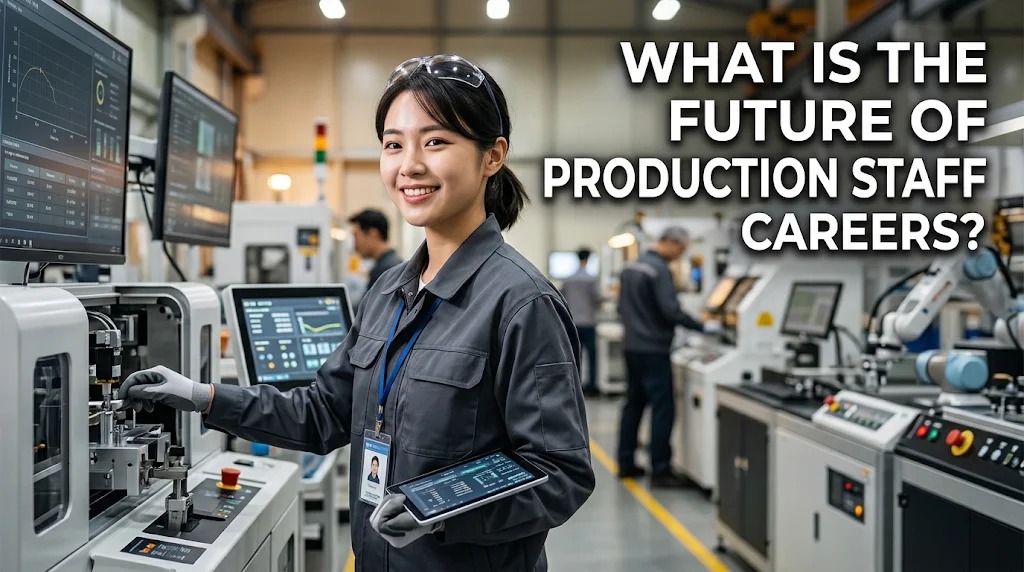
The future of production staff careers is expected to change as industries adopt new technologies, improve manufacturing systems, and respond to growing market demands. Production staff remain essential because they help ensure that manufacturing activities run smoothly, efficiently, and safely. However, their responsibilities are gradually expanding beyond basic production tasks. Workers are increasingly expected to understand modern equipment, follow digital procedures, and adapt to automated processes. These changes create new opportunities for people who are willing to develop their skills and keep learning.
THE GROWING DEMAND FOR SKILLED PRODUCTION WORKERS
Manufacturing companies will continue to need production staff to support daily operations and maintain product quality. Although automation can handle certain repetitive activities, human workers are still important for monitoring processes, solving problems, and making decisions. Industries such as food processing, automotive, electronics, and pharmaceuticals require employees who understand production standards and workplace procedures. As businesses expand, the demand for workers with practical manufacturing knowledge may also increase.
However, companies are likely to prioritize employees who have technical abilities and strong work habits. Production staff who can operate equipment, recognize production problems, and maintain accuracy will have better opportunities. This means that future manufacturing careers will require more than physical effort. Workers must also demonstrate responsibility, adaptability, and a willingness to improve their performance.
THE IMPACT OF AUTOMATION AND ARTIFICIAL INTELLIGENCE
Automation and artificial intelligence are changing how manufacturing companies organize their production activities. Modern factories increasingly use robotic equipment, automated machines, and digital monitoring systems to complete tasks more efficiently. These technologies can reduce repetitive work, improve accuracy, and help companies identify production problems earlier. As a result, some traditional responsibilities of production staff may become less common.
Nevertheless, technological development does not mean that all production jobs will disappear. Human workers are still needed to supervise machines, check finished products, manage unexpected situations, and ensure that equipment operates correctly. Production staff who understand basic automation and digital technology will be better prepared for these changes. Learning how to work alongside modern machines can help employees remain valuable in the manufacturing industry.
THE IMPORTANCE OF TECHNICAL AND DIGITAL SKILLS
Technical and digital skills will become increasingly important for production staff in the future. Employees may need to operate computerized machinery, read digital production instructions, and use software to record manufacturing results. Understanding basic troubleshooting procedures can also help workers respond to equipment problems before they interrupt production activities. These abilities allow employees to work more effectively in modern manufacturing environments.
Besides technical knowledge, production staff should develop communication, teamwork, and problem-solving skills. Manufacturing activities involve different departments that must coordinate to achieve production targets. Employees who can communicate clearly and understand workplace responsibilities are more likely to contribute to successful operations. Combining technical abilities with strong interpersonal skills can create better career opportunities.
CAREER ADVANCEMENT IN THE MANUFACTURING INDUSTRY
Production staff careers can provide opportunities for professional growth and promotion. Employees who consistently demonstrate good performance may be considered for positions with greater responsibilities. For example, an experienced production worker can develop into a senior operator, team leader, production supervisor, or production coordinator. These positions require stronger leadership abilities, technical understanding, and knowledge of manufacturing procedures.
Career advancement usually depends on work experience, performance, training, and educational qualifications. Employees who understand production planning, quality control, and workplace safety may have additional opportunities to move into specialized roles. Some workers may also pursue careers in inventory management, quality assurance, or production administration. Developing new competencies can help production staff build a long-term career instead of remaining in the same position.
THE ROLE OF TRAINING AND CERTIFICATION
Training will play an important role in preparing production staff for future workplace demands. Manufacturing companies need employees who understand new equipment, updated standard operating procedures, and current safety requirements. Through workplace training, workers can improve their technical knowledge and learn how to handle production challenges. Regular learning also helps employees adjust when companies introduce new technologies or manufacturing methods.
Professional certifications can provide additional value by demonstrating specific skills and knowledge. Depending on the industry, useful training may cover machine operation, occupational safety, quality management, or industrial maintenance. Employees can also improve their qualifications through vocational education and practical courses. By investing in continuous development, production staff can become more competitive in the job market.
CHALLENGES FACING FUTURE PRODUCTION STAFF
Despite promising career opportunities, production staff may face several challenges in the coming years. One major challenge is the need to adapt to rapidly changing technology. Workers who do not improve their technical knowledge may find it difficult to meet new workplace expectations. Companies may also increase productivity targets and require employees to complete more complex responsibilities.
Another challenge is competition for manufacturing positions. Employers may prefer candidates who have relevant experience, technical qualifications, and the ability to operate modern equipment. Production staff must also maintain discipline, accuracy, and safety awareness while working under time pressure. Preparing for these challenges through education, training, and practical experience can help workers maintain their career prospects.
HOW TO PREPARE FOR A SUCCESSFUL PRODUCTION CAREER
People who want to build a successful production career should begin by developing basic manufacturing knowledge. Understanding production processes, quality standards, workplace safety, and standard operating procedures provides a strong foundation. Practical experience through internships, vocational programs, or entry-level positions can also help individuals understand real factory operations. These experiences make it easier to recognize workplace expectations and develop professional habits.
In addition, future production staff should stay informed about technological developments in manufacturing. Learning basic computer skills, machine operation, and digital production systems can improve their readiness for modern workplaces. Building a reputation for being responsible, disciplined, and cooperative is equally important. A combination of technical knowledge, practical experience, and a positive work attitude can support long-term career development.
CONCLUSION
The future of production staff careers offers opportunities for workers who are prepared to adapt to technological and industrial changes. Although automation will transform manufacturing activities, human employees will remain important for supervision, quality control, problem-solving, and coordination. Developing technical skills, understanding digital systems, and participating in continuous training can improve career prospects. With the right preparation and professional attitude, production staff can build stable careers and advance to higher positions in the manufacturing industry.
Recent Posts

How Does Technology Make Daily Evaluation... 21.11.2026/56 View

Apa Strategi Menghadapi Kesenjangan antara Kompetensi... 21.11.2026/58 View

Mengapa Inventaris Aset Penting bagi Kelancaran... 21.11.2026/52 View

When Should Musicians Join a Record... 21.11.2026/53 View

Daily Evaluation or Daily Planning Which... 21.11.2026/60 View
