

What Is the Impact of the Social Media Algorithm on Internet User Behavior?
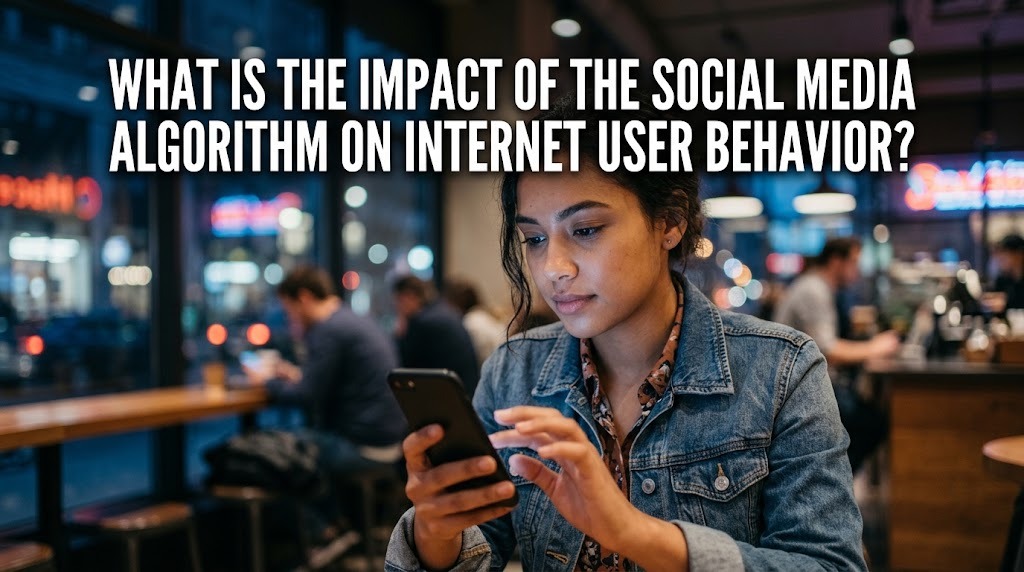
Social media has become an important part of everyday internet use. People use digital platforms to communicate, find information, watch entertainment, follow trends, and discover products or services. Because millions of pieces of content are published every day, social media platforms use algorithms to organize and recommend information. This means the social media algorithm can influence not only what people see but also how they interact with digital platforms.
The relationship between algorithms and user behavior is complex because recommendations can affect what people choose to watch, read, share, or discuss. At the same time, user actions provide information that can influence future recommendations. This creates a continuous cycle between user behavior and algorithmic recommendations. Understanding this relationship is important for users, creators, businesses, and anyone who wants to understand how modern digital platforms work.
HOW DOES THE SOCIAL MEDIA ALGORITHM INFLUENCE USERS?
The social media algorithm influences users by organizing content according to signals that indicate potential relevance or interest. Instead of presenting every available post in exactly the same order, platforms can prioritize certain content based on user activity and other factors. This makes it easier for users to discover information that may match their interests. However, it also means that users may not see all available content equally.
The recommendations users receive can influence what they decide to watch or interact with next. For example, someone who frequently views educational videos may receive more educational recommendations, which can encourage them to continue exploring similar topics. This process can gradually shape the type of content that becomes part of their daily social media experience. As a result, recommendations and user choices continuously influence each other.
HOW DOES PERSONALIZATION SHAPE USER INTERESTS?
Personalization allows social media platforms to provide different content to different users based on their activity and preferences. A person's likes, comments, searches, follows, viewing behavior, and other interactions can provide signals about their interests. The system can then use these signals to recommend content that appears relevant. Over time, this can make a user's feed increasingly focused on certain topics.
Personalization can be useful because it reduces the amount of irrelevant information users need to search through manually. However, users should remember that a personalized feed represents only a selection of available content. If people interact mainly with one type of topic, they may encounter more similar content in the future. Therefore, active awareness of personal media habits can help users understand why their feeds develop in particular directions.
HOW DOES THE ALGORITHM AFFECT USER ENGAGEMENT?
The algorithm can influence user engagement by determining which content receives greater opportunities for visibility. When users encounter posts that are relevant or entertaining, they may be more likely to watch, like, comment, share, or save them. These actions provide additional signals to the platform about user preferences. The process can then contribute to future recommendations.
This creates a feedback cycle. A user interacts with certain content, the system learns from that interaction, and similar content may become more visible. The user then has more opportunities to interact with related material. While this process can make the platform more convenient, it can also encourage users to spend more time consuming content that consistently captures their attention.
CAN ALGORITHMS CHANGE HOW PEOPLE DISCOVER INFORMATION?
Social media algorithms have changed the way many people discover information. Instead of finding information only through direct searches or traditional websites, users can encounter news, educational material, opinions, product information, and entertainment through personalized recommendations. This can make information discovery faster and more convenient.
However, recommendation systems may also mean that people encounter information based heavily on their previous behavior. Users may receive different perspectives or topics depending on the content they interact with. This does not mean that every personalized feed creates an isolated information environment, but it highlights the importance of checking sources and actively exploring different viewpoints. Users can make better decisions when they do not depend on one recommendation stream alone.
HOW DOES USER BEHAVIOR AFFECT THE ALGORITHM?
The relationship works in both directions because user behavior also influences algorithmic recommendations. Every interaction can provide additional information about what a person may be interested in. Watching a video completely, following a creator, searching for a topic, or sharing a post can all contribute to the signals available to a recommendation system.
This means users have some influence over what appears in their own feeds. If someone consistently interacts with certain topics, similar content may become more prominent. On the other hand, changing viewing habits and exploring different subjects can provide different signals. Understanding this relationship can encourage users to be more intentional about how they interact with digital content.
HOW CAN USERS RESPOND TO ALGORITHMIC RECOMMENDATIONS?
Users can develop healthier digital habits by becoming more aware of how recommendations influence their online experience. They can actively search for information instead of relying only on recommended content, follow a variety of reliable sources, and review information before accepting it as accurate. Taking breaks from social media can also help people maintain control over how much time they spend on digital platforms.
Users should also understand that personalized recommendations are not necessarily complete representations of reality. A feed is designed to provide content that a system predicts may be relevant, not to show every possible perspective or piece of information. Being curious, checking sources, and intentionally exploring different topics can help users make more informed choices. These habits can create a more balanced relationship with algorithm-driven platforms.
CONCLUSION
The social media algorithm can significantly influence internet user behavior by determining which content receives attention and how information is presented. Personalization can shape what people watch, read, discuss, and interact with, while their own behavior provides signals that influence future recommendations. This creates an ongoing cycle between algorithmic recommendations and user activity.
Algorithms can make digital platforms more convenient by helping users discover relevant content, but users should remain aware of how personalized feeds influence their online experience. Critical thinking, diverse information sources, responsible engagement, and conscious digital habits can help users maintain greater control over their media consumption. Understanding the role of algorithms is therefore an important part of becoming a more informed internet user.
Recent Posts

Bagaimana Sistem SKS pada Program Kuliah... 22.11.2026/35 View

How Does Technology Make Daily Evaluation... 21.11.2026/69 View

Apa Strategi Menghadapi Kesenjangan antara Kompetensi... 21.11.2026/69 View

Mengapa Inventaris Aset Penting bagi Kelancaran... 21.11.2026/67 View

When Should Musicians Join a Record... 21.11.2026/68 View
