

What Is the Music Industry and How Does It Work?
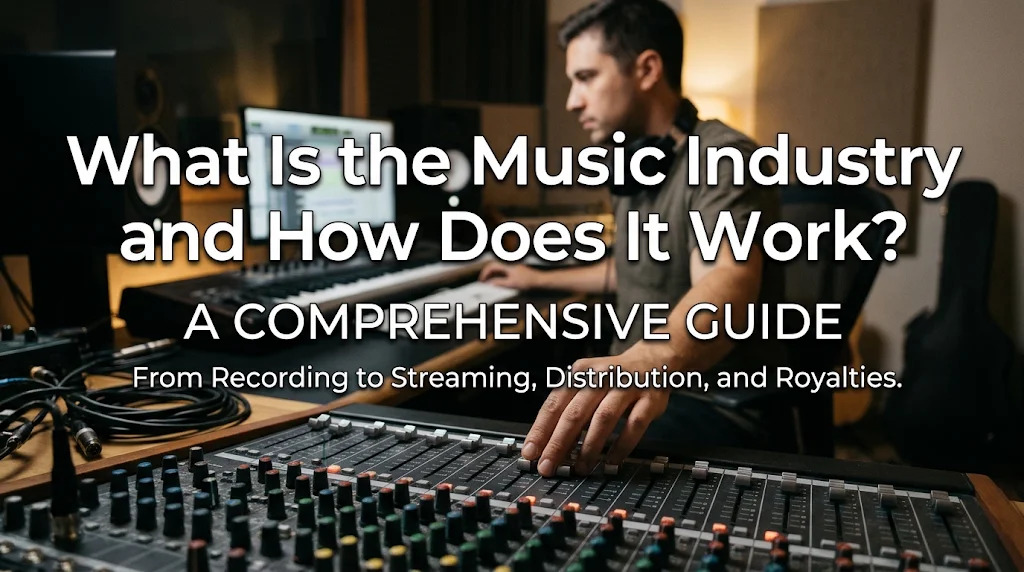
The music industry is a broad business sector that involves creating, producing, distributing, promoting, and selling music to audiences. It connects musicians, songwriters, producers, record labels, streaming platforms, and other professionals who work together to bring music to listeners. Today, the industry operates through both traditional methods and modern digital technologies. Understanding how this industry works helps explain how music becomes a professional career and a source of economic value.
UNDERSTANDING THE MUSIC INDUSTRY
The music industry refers to all business activities related to the creation and commercial distribution of music. It includes various professionals who contribute to different stages of the music production process. Musicians and songwriters create musical compositions, while producers and sound engineers help develop and improve recordings. Record labels, distributors, and publishers support the commercial side by managing music releases and business arrangements.
The industry also involves live performances, concerts, music festivals, and digital entertainment services. Each activity provides opportunities for music professionals to earn income while connecting with audiences. As technology continues to develop, the music industry has expanded beyond physical albums and traditional radio. Digital platforms now play an important role in making music accessible to people around the world.
HOW MUSIC IS CREATED AND PRODUCED
The music business generally begins with the creative process, where musicians, composers, and songwriters develop original musical ideas. They create melodies, lyrics, arrangements, and other elements that form a complete song. After the composition is prepared, the recording process begins in a professional studio or through digital recording equipment. Producers and sound engineers help improve the quality of the recording through editing, mixing, and mastering.
Once the recording is complete, the music can move into the distribution stage. Artists may release their songs independently or work with record labels that provide production support and promotional services. Before a song reaches the public, several important decisions must be made, including its release date, target audience, and marketing strategy. Music production requires creativity as well as technical knowledge to ensure that the final recording meets professional standards.
HOW MUSIC REACHES LISTENERS
After music has been produced, it needs to be distributed so that audiences can access it. Traditionally, music was distributed through physical formats such as CDs, cassette tapes, and vinyl records. Radio stations and television programs also helped musicians introduce their songs to larger audiences. These methods were important because they provided the main channels for music promotion and commercial distribution.
Today, digital distribution has changed how people discover and listen to music. Streaming services, online music stores, and social media allow artists to share their work with international audiences. Listeners can access millions of songs through internet-connected devices without purchasing physical albums. This development has also created opportunities for independent musicians to release their music without depending entirely on traditional record labels.
HOW THE MUSIC INDUSTRY GENERATES INCOME
The music industry generates revenue through several business activities. One major source is music streaming, where platforms distribute payments based on licensing agreements and listening activity. Musicians and rights holders may also earn money through digital downloads, physical album sales, and music licensing for films, advertisements, television programs, and other media. These income sources allow different professionals to benefit from the commercial use of music.
Another important source of revenue is live entertainment, including concerts, festivals, and promotional performances. Artists can earn income from ticket sales, merchandise, sponsorships, and performance agreements. Record labels, music publishers, distributors, and event organizers may also receive revenue according to their contracts and contributions. The amount of income received by each party depends on ownership rights, business agreements, and the way revenue is distributed.
THE ROLE OF TECHNOLOGY IN THE MODERN MUSIC INDUSTRY
Technology has significantly changed how music is created, promoted, distributed, and consumed. Digital recording software allows musicians to produce professional-quality recordings without always needing expensive studio facilities. Social media and video-sharing platforms also help artists promote their work, build communities, and communicate directly with listeners. These developments have made the industry more accessible to independent musicians and emerging talents.
Furthermore, artificial intelligence and digital analytics are creating new opportunities in music production and marketing. Artists and music businesses can use digital tools to understand audience preferences, monitor listening trends, and plan promotional activities. However, technological development also creates challenges involving copyright protection, fair compensation, and the ethical use of creative works. Therefore, music professionals need to understand both the benefits and responsibilities associated with modern technology.
KESIMPULAN
The music industry is a complex business ecosystem that connects creativity, technology, entertainment, and commercial activities. It works through several stages, starting from songwriting and music production to distribution, promotion, and revenue generation. Musicians, record labels, producers, publishers, distributors, and digital platforms all contribute to its development. As technology continues to advance, the industry provides more opportunities for artists to reach global audiences and build sustainable careers. Understanding how the music industry works is essential for anyone interested in music as a creative profession or business opportunity.
Recent Posts

How Does Technology Make Daily Evaluation... 21.11.2026/55 View

Apa Strategi Menghadapi Kesenjangan antara Kompetensi... 21.11.2026/57 View

Mengapa Inventaris Aset Penting bagi Kelancaran... 21.11.2026/52 View

When Should Musicians Join a Record... 21.11.2026/52 View

Daily Evaluation or Daily Planning Which... 21.11.2026/59 View
