

What Is The Relationship Between Character Education And Academic Achievement?
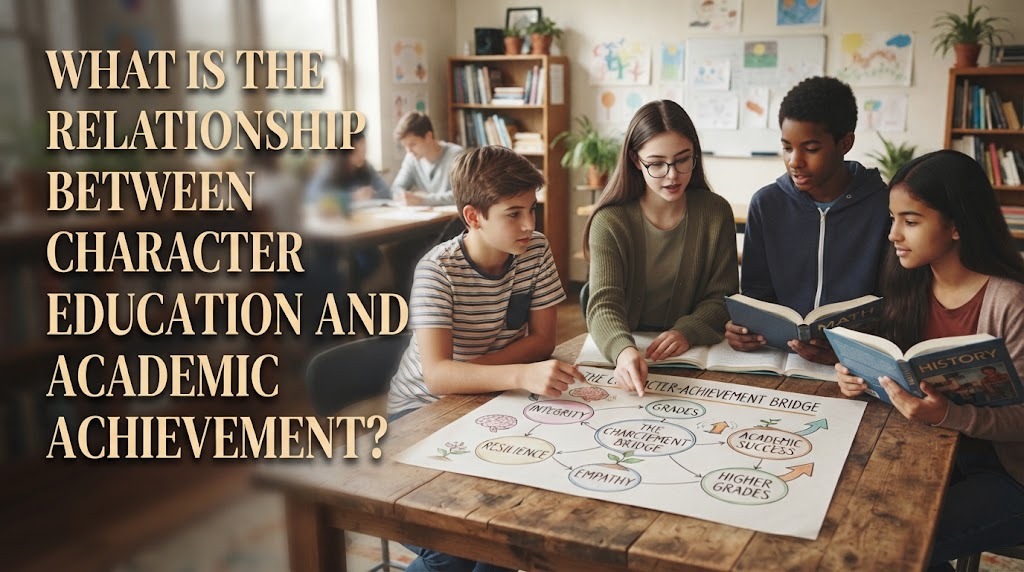
Character education and academic achievement are closely connected in the development of students. Academic achievement is often measured through grades, test results, assignments, and other learning outcomes. However, good academic performance also depends on habits and attitudes that support the learning process. Discipline, responsibility, honesty, persistence, and self-control can influence how students study and complete their schoolwork. Therefore, character education can provide an important foundation for students to achieve better academic results.
HOW CHARACTER EDUCATION SUPPORTS LEARNING
Character education teaches students positive values that can be applied during everyday learning. Discipline encourages students to follow schedules, attend classes, and complete assignments on time. Responsibility helps students understand that their learning progress depends partly on their own effort. These habits can make students more consistent in their studies. As a result, students may develop better learning routines that support academic achievement.
Character education also encourages students to take learning seriously without making education only about grades. Students learn to understand the value of effort, improvement, and persistence. When they experience difficulties, they are encouraged to keep trying instead of giving up quickly. This attitude can help them stay focused when lessons become more challenging. In this way, positive character can strengthen the habits needed for effective learning.
DISCIPLINE AND ACADEMIC PERFORMANCE
Discipline is one of the character values that can strongly support academic performance. A disciplined student is more likely to manage study time, prepare for lessons, and complete school responsibilities. Regular study habits can make it easier for students to understand and remember learning materials. Discipline also reduces the tendency to delay important tasks. These behaviors can contribute to more consistent academic performance.
Students with good discipline may also be better prepared for examinations and school projects. They can divide large tasks into smaller activities and complete them gradually. This approach can reduce unnecessary pressure before deadlines. However, discipline does not mean studying all the time without rest. Healthy discipline means creating a balanced and consistent learning routine.
RESPONSIBILITY AND STUDENT ACHIEVEMENT
Responsibility helps students understand their role in the learning process. Responsible students are more likely to complete assignments, bring the necessary materials, and participate in classroom activities. They also learn to accept the results of their choices. When academic results are not satisfactory, responsibility encourages students to evaluate what went wrong. This can help them find better ways to improve.
Responsibility also helps students become more independent learners. Instead of always waiting for teachers or parents to remind them, they can begin managing their own academic tasks. This independence is useful when students face more difficult subjects or greater academic demands. It can also prepare them for higher education and future careers. Therefore, responsibility can support both immediate academic progress and long-term learning habits.
HONESTY AND ACADEMIC INTEGRITY
Honesty is another important connection between character education and academic achievement. Students who value honesty understand that grades should represent their real knowledge and effort. They are less likely to depend on cheating, copying assignments, or other dishonest actions. Although dishonest methods may sometimes produce higher scores temporarily, they do not necessarily improve understanding. True academic achievement should be based on genuine learning and personal effort.
Academic integrity also creates a healthier learning environment. When students are honest, teachers can better understand their strengths and weaknesses. This allows teachers to provide appropriate feedback and support. Students can then work on areas that still need improvement. In the long term, honesty helps students build knowledge instead of simply chasing high grades.
PERSISTENCE AND OVERCOMING LEARNING DIFFICULTIES
Learning does not always happen quickly or easily. Students may struggle with difficult subjects, receive low grades, or fail to understand certain concepts. Persistence helps them continue learning despite these difficulties. Character education can teach students to view mistakes and failure as opportunities to learn. This mindset can prevent temporary problems from becoming reasons to stop trying.
Persistent students are more willing to practice and seek help when they need it. They may ask teachers questions, review difficult materials, or try different learning methods. Over time, repeated effort can improve their understanding and skills. This does not mean that every student will achieve the same grades, because academic outcomes are influenced by many factors. However, persistence can increase students' ability to respond positively to academic challenges.
SELF CONTROL AND FOCUS IN LEARNING
Self-control can also influence academic achievement because students face many distractions during their studies. Phones, social media, games, and other activities can make it difficult to maintain concentration. Students who develop self-control can learn to manage these distractions and prioritize important tasks. They can decide when to study and when to enjoy entertainment. This can help create a more productive learning environment.
Self-control also involves managing emotions during stressful academic situations. Students may feel nervous before an examination or disappointed after receiving a low score. Learning to manage these emotions can help them think more clearly and respond constructively. Character education can support students in developing patience and emotional awareness. Better self-control can help students stay focused on learning goals even when they face pressure.
CHARACTER EDUCATION AND MOTIVATION
Character education can contribute to learning motivation by helping students understand the value of education. When students connect learning with personal growth and future goals, they may become more willing to put effort into their studies. Values such as curiosity and determination can encourage students to explore subjects more deeply. Motivation can also help students remain active when lessons become difficult. However, character education should work together with effective teaching methods and a supportive learning environment.
Teachers and parents can strengthen this process by recognizing effort and improvement, not only high grades. Students need to understand that academic success is not always immediate. Small improvements can become meaningful when students continue working consistently. A supportive environment can help students develop confidence in their ability to learn. Strong character and healthy motivation can therefore create better conditions for academic growth.
CONCLUSION
The relationship between character education and academic achievement can be seen through the habits and attitudes that support successful learning. Discipline, responsibility, honesty, persistence, self-control, and motivation can help students manage their academic responsibilities more effectively. Character education does not guarantee high grades, because academic achievement is also affected by teaching quality, learning resources, individual abilities, and other factors. However, strong character can give students the foundation they need to learn consistently and respond to difficulties. By developing both academic skills and positive character, students can achieve meaningful progress while preparing themselves for future education and life.
Recent Posts

Bagaimana Sistem SKS pada Program Kuliah... 22.11.2026/35 View

How Does Technology Make Daily Evaluation... 21.11.2026/69 View

Apa Strategi Menghadapi Kesenjangan antara Kompetensi... 21.11.2026/69 View

Mengapa Inventaris Aset Penting bagi Kelancaran... 21.11.2026/67 View

When Should Musicians Join a Record... 21.11.2026/68 View
