

What Is the Relationship Between Communication Etiquette and Self Presentation?
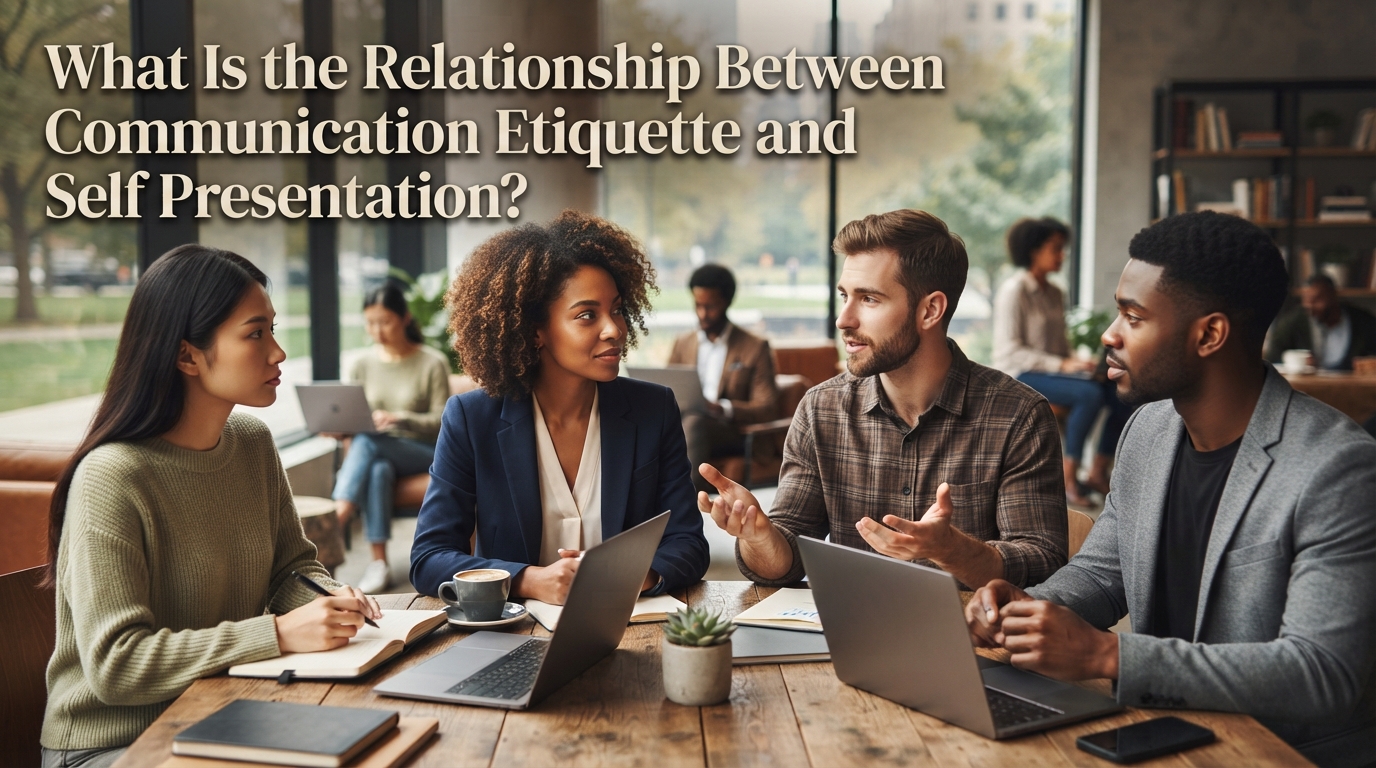
Communication etiquette and self-presentation are closely connected because both influence how individuals interact with others and how they are perceived in different situations. Communication etiquette refers to the rules and manners used when expressing thoughts, listening, and responding to other people. Meanwhile, self-presentation describes how individuals show their personality, attitudes, appearance, and behavior in social or professional environments. When these two aspects work together, they help create a positive personal image and build stronger relationships. Understanding their relationship is important for students, employees, and anyone who wants to improve their communication and social skills.
1. COMMUNICATION ETIQUETTE REFLECTS PERSONAL CHARACTER
The way someone communicates often reflects their personality and personal values. Using polite language, listening carefully, and respecting other people's opinions can demonstrate maturity and good character. In contrast, interrupting conversations, speaking rudely, or ignoring others may create a negative impression. These behaviors influence how people evaluate someone's attitude and personality. Therefore, communication etiquette becomes an important part of effective self-presentation.
Good communication manners also show that individuals understand how to interact appropriately in different situations. For example, students should communicate respectfully with lecturers, classmates, and academic staff. Similarly, employees need to use professional language when speaking with supervisors, colleagues, and customers. Adjusting communication styles according to the situation demonstrates social awareness and respect. These habits help individuals build a positive reputation in their personal and professional lives.
2. SELF PRESENTATION INFLUENCES HOW PEOPLE COMMUNICATE
Self-presentation affects the way individuals express themselves when interacting with others. People who have confidence in their abilities are generally more comfortable sharing ideas, introducing themselves, and participating in discussions. Their communication may become clearer because they understand how to express their thoughts appropriately. On the other hand, individuals who feel insecure may find it difficult to communicate openly. Developing a positive self-image can help improve communication confidence.
However, self-presentation is not only about appearing confident. It also involves understanding personal strengths, weaknesses, and responsibilities when communicating with others. Individuals should avoid exaggerating their abilities or pretending to be someone they are not. Being honest and natural helps create interactions based on trust. When people present themselves authentically, their communication becomes more consistent and convincing.
3. POLITE LANGUAGE CREATES A POSITIVE FIRST IMPRESSION
Language plays an important role in shaping the impression people create during conversations. Using respectful expressions, appropriate greetings, and clear sentences can make interactions more comfortable. Simple phrases such as please, thank you, and excuse me demonstrate consideration for others. These expressions may seem small, but they can communicate politeness and professionalism. Positive communication helps individuals appear approachable and respectful.
In professional environments, choosing appropriate words is particularly important. Students attending interviews, internships, or formal meetings should avoid using overly casual expressions that may not suit the situation. They should also communicate honestly and avoid making statements that could offend or embarrass others. Adjusting language according to the audience shows an understanding of communication etiquette. This ability supports a strong and professional personal image.
4. BODY LANGUAGE SUPPORTS EFFECTIVE COMMUNICATION
Communication does not depend entirely on spoken words because body language also influences how messages are understood. Facial expressions, eye contact, posture, and hand gestures can communicate feelings and attitudes. For example, a natural smile and an attentive posture may make someone appear friendly and interested. Meanwhile, frequently looking away or showing impatient gestures may create an impression of disinterest. Positive body language helps strengthen the message delivered through verbal communication.
Appropriate body language also contributes to professional self-presentation. During presentations, interviews, or meetings, individuals should maintain a relaxed posture and use natural gestures. They should also consider cultural differences because certain gestures may have different meanings in different communities. Respecting personal space and observing other people's comfort levels are equally important. Combining suitable body language with polite communication can create a more positive and trustworthy impression.
5. ACTIVE LISTENING BUILDS RESPECT AND TRUST
Active listening is an essential part of communication etiquette and positive self-presentation. It involves paying attention to what others say, understanding their messages, and responding appropriately. People who listen carefully show that they value other people's thoughts and experiences. This behavior can make conversations more meaningful and reduce misunderstandings. Active listening also demonstrates patience, respect, and emotional maturity.
In addition, good listeners are generally better prepared to build healthy relationships. They avoid interrupting others unnecessarily and give people enough time to express their opinions. Asking relevant questions and providing thoughtful responses can also show genuine interest. These habits are useful in classroom discussions, teamwork, interviews, and workplace meetings. By practicing active listening, individuals can develop a positive image as considerate and reliable communicators.
6. COMMUNICATION ETIQUETTE STRENGTHENS PROFESSIONALISM
Professionalism is closely related to the way individuals communicate and present themselves in educational and workplace environments. People who use appropriate language, respect workplace rules, and communicate responsibly are more likely to create a positive professional impression. They understand the importance of being punctual, responding to messages properly, and maintaining respectful relationships. These behaviors demonstrate professional communication skills. They also help create a productive environment where people can cooperate effectively.
Communication etiquette is equally important in digital interactions. Emails, online meetings, and professional messaging platforms require appropriate language and respectful responses. Individuals should avoid sending unclear messages, using offensive expressions, or sharing information without permission. Maintaining proper online communication habits can protect personal and professional reputations. A consistent professional attitude across face-to-face and digital interactions helps strengthen personal credibility.
7. CONSISTENCY BETWEEN WORDS AND ACTIONS BUILDS CREDIBILITY
A positive personal image requires consistency between what individuals say and what they do. Communicating politely is important, but actions must also reflect the values expressed through words. For example, someone who promises to complete a task should make a genuine effort to fulfill that commitment. If problems occur, communicating honestly about the situation demonstrates responsibility. Consistency and integrity help build trust because people can rely on individuals whose actions match their statements.
Credibility also develops through everyday interactions. People who remain respectful, honest, and responsible in different situations are more likely to maintain positive relationships. They do not change their manners simply because they are interacting with someone of higher status or greater influence. Instead, they treat others fairly and communicate with consideration. This consistency makes self-presentation more authentic and strengthens long-term personal and professional relationships.
CONCLUSION
Communication etiquette and self-presentation have a strong relationship because both influence how individuals express themselves and how others perceive them. Good communication manners help demonstrate respect, confidence, professionalism, emotional maturity, and personal values. Meanwhile, positive self-presentation encourages individuals to communicate honestly, use appropriate body language, and maintain consistent behavior. These qualities are valuable in educational, social, and professional environments. Ultimately, combining effective communication etiquette with authentic self-presentation can help individuals build trust, create positive impressions, and develop meaningful relationships.
Recent Posts

How Does Technology Make Daily Evaluation... 21.11.2026/55 View

Apa Strategi Menghadapi Kesenjangan antara Kompetensi... 21.11.2026/57 View

Mengapa Inventaris Aset Penting bagi Kelancaran... 21.11.2026/51 View

When Should Musicians Join a Record... 21.11.2026/52 View

Daily Evaluation or Daily Planning Which... 21.11.2026/59 View
