

What Is the Relationship Between Dapodik Data and Educational Assistance Programs?
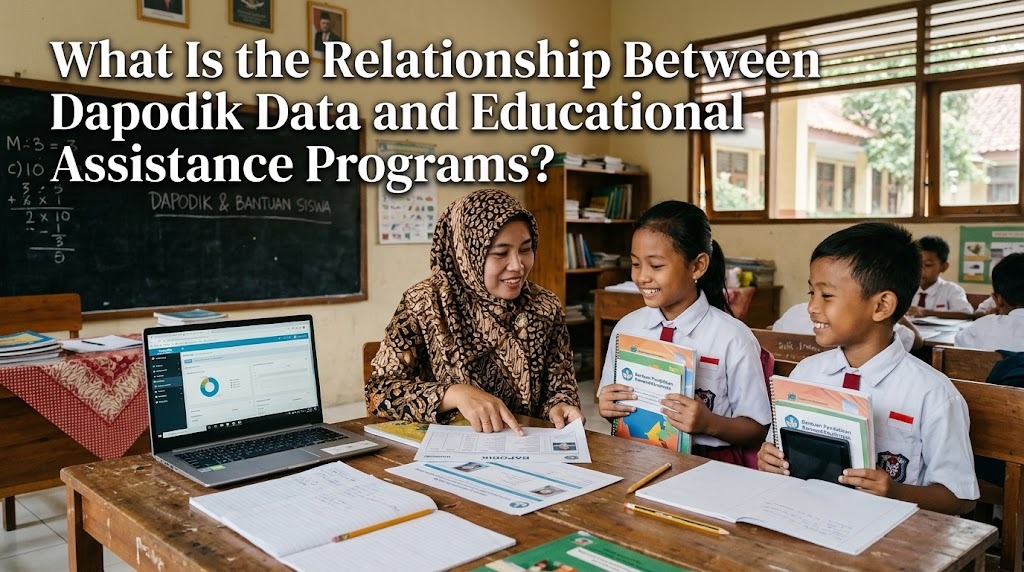
Dapodik data plays an important role in supporting educational assistance programs in Indonesia. Dapodik, or Data Pokok Pendidikan, is an integrated education data system that records essential information about schools, students, teachers, and educational facilities. The data helps the government understand the actual conditions of education and identify students who may need financial support. Through accurate and updated information, educational assistance programs can be planned and implemented more effectively. Understanding the relationship between Dapodik data and educational assistance programs is essential for schools, parents, and students who want to ensure that educational support reaches the right recipients.
UNDERSTANDING DAPODIK DATA IN EDUCATION
Dapodik is a national education data system used to collect and manage information about educational institutions in Indonesia. The system contains important details, including student identities, school enrollment, learning conditions, and other educational information. Schools are responsible for entering, checking, and updating their data according to established procedures. This information helps the government monitor educational development and make decisions based on the actual conditions of schools and students. Reliable Dapodik data is therefore an important foundation for education planning and the implementation of various government programs.
The quality of the information entered into Dapodik directly affects how accurately student and school conditions are represented. Incorrect names, identification numbers, enrollment status, or other details can create administrative problems when the data is used for program planning. Regular updates help reduce discrepancies and ensure that student records reflect their current circumstances. Schools must also verify information before submitting it to avoid unnecessary errors. By maintaining accurate records, schools contribute to more effective education services and assistance distribution.
THE ROLE OF DAPODIK IN EDUCATIONAL ASSISTANCE PROGRAMS
Educational assistance programs are designed to help students access education despite financial difficulties or other barriers. In Indonesia, government initiatives such as the Program Indonesia Pintar (PIP) provide support to eligible students to help meet educational needs. Dapodik can serve as an important source of student information used in identifying potential recipients and supporting administrative verification. The information helps relevant authorities understand student enrollment and other details needed for program management. However, being registered in Dapodik does not automatically guarantee that a student will receive educational assistance.
The selection of assistance recipients depends on the requirements and verification procedures of each program. Depending on the program, authorities may also use information from other government databases, eligibility criteria, and additional administrative checks. This process helps determine whether a student meets the applicable conditions for receiving support. Accurate Dapodik records can make the verification process more reliable and reduce problems caused by incomplete information. Therefore, Dapodik supports the administration of educational assistance, but it is not the only factor determining eligibility.
HOW DAPODIK DATA HELPS IDENTIFY ELIGIBLE STUDENTS
Accurate student records help the government and educational institutions identify students who may qualify for assistance. Information such as student identity, school enrollment, and other required administrative details can support the assessment process. When the information matches the applicable program requirements, verification can proceed more smoothly. This is particularly important for students from economically disadvantaged families who may face difficulties continuing their education. Reliable data helps improve the possibility that eligible students will be considered through the appropriate procedures.
Nevertheless, identifying potential recipients requires more than simply checking whether a student's name appears in Dapodik. Each assistance program has its own eligibility rules, selection mechanisms, and administrative requirements. Some programs may require additional information or verification through separate systems. Parents and students should therefore confirm their eligibility through the relevant school or official program channels. Understanding these procedures can prevent misunderstandings and help families take the appropriate steps when applying for educational support.
THE IMPORTANCE OF ACCURATE AND UPDATED STUDENT INFORMATION
Accurate and updated Dapodik information is essential because administrative errors can interfere with the verification process. For example, an incorrect student identification number, outdated enrollment status, or incomplete personal information may create difficulties when records are matched with other databases. Such discrepancies do not necessarily mean that a student is ineligible, but they may require correction and further verification. Schools should review student records regularly and update them whenever relevant information changes. This practice helps maintain reliable records for educational planning and assistance administration.
Parents also have an important role in ensuring that their children's information is correct. They can communicate with school administrators when they discover errors in names, identification numbers, or other personal details. Providing accurate supporting documents can help schools make necessary corrections. It is also important to complete any additional requirements established by the relevant assistance program. Cooperation between parents and schools helps reduce administrative problems and supports a more effective assistance process.
THE RELATIONSHIP BETWEEN DAPODIK AND PROGRAM INDONESIA PINTAR
The Program Indonesia Pintar is an educational assistance initiative intended to help eligible students from disadvantaged backgrounds continue their education. Dapodik supports the administration of this program by providing student and school information that may be used during identification and verification. Accurate enrollment and identity records help ensure that the information available to education authorities reflects the student's actual circumstances. This can support the process of determining potential recipients and managing educational assistance. However, the final decision depends on the applicable PIP rules and the required verification procedures.
Students and parents should understand that having complete Dapodik records does not necessarily mean that PIP assistance will be approved. Eligibility, selection, and disbursement depend on the program's current provisions and the student's verified status. Families should ask the school about the student's recorded information and follow the official procedures for checking assistance status. If a student appears eligible but has not received assistance, the school can help clarify whether additional verification or administrative action is needed. This approach helps families understand the process without assuming that Dapodik registration alone guarantees financial support.
THE CONSEQUENCES OF INACCURATE DAPODIK DATA
Inaccurate Dapodik data can create several administrative challenges for schools and students. Incorrect information may delay verification, cause discrepancies between databases, or make it harder for authorities to assess a student's circumstances. In some situations, incomplete records may require additional checks before the student can be considered for assistance. These problems can increase the administrative workload for school staff and create uncertainty for families waiting for support. Maintaining reliable data helps minimize these risks and improves the quality of education administration.
Schools should address data discrepancies as soon as they are identified. They need to verify information against valid documents and follow the established procedures for correcting student records. Parents should also report errors promptly rather than waiting until an assistance application encounters a problem. Regular communication between school administrators, students, and parents can help resolve issues more efficiently. Although accurate data cannot guarantee assistance, it is an important condition for ensuring that administrative decisions are based on reliable information.
WAYS TO ENSURE EDUCATIONAL ASSISTANCE DATA IS RELIABLE
Schools can improve data reliability by conducting regular reviews of student records and checking information against official documents. They should pay particular attention to student identities, enrollment status, and other details required by the relevant education programs. Updating records when students transfer schools or experience changes in their circumstances is also important. School operators should follow current data submission schedules and applicable technical procedures. These practices help maintain consistency and reduce errors that could affect educational administration.
Parents and students can contribute by ensuring that the documents provided to schools are complete and accurate. They should promptly inform school administrators about changes or discrepancies in personal information. Families should also ask for clarification when they do not understand the requirements of an assistance program. For official eligibility and disbursement information, they should follow the relevant program's procedures rather than relying solely on Dapodik registration. Through cooperation among schools, families, and education authorities, the administration of educational assistance can become more transparent and efficient.
KESIMPULAN
Dapodik data and educational assistance programs are closely connected because reliable education records help support student identification, administrative verification, and program planning. Accurate information allows schools and relevant authorities to assess student circumstances more effectively, including when administering assistance such as the Program Indonesia Pintar. However, Dapodik registration does not automatically guarantee that a student will receive financial support because each program has specific eligibility criteria and verification procedures. Schools must maintain updated records, while parents and students should ensure that the information provided is correct. Through accurate data management and cooperation among all parties, educational assistance programs can be administered more effectively and reach eligible students according to the applicable rules.
KEYWORDS
Dapodik Data
Educational Assistance
Student Eligibility
Program Indonesia
School Records
Student Support
Education Funding
META DESCRIPTION
Dapodik Data helps support educational assistance by improving student identification, data verification, and the administration of government education programs.
Recent Posts

Bagaimana Sistem SKS pada Program Kuliah... 22.11.2026/50 View

How Does Technology Make Daily Evaluation... 21.11.2026/79 View

Apa Strategi Menghadapi Kesenjangan antara Kompetensi... 21.11.2026/79 View

Mengapa Inventaris Aset Penting bagi Kelancaran... 21.11.2026/75 View

When Should Musicians Join a Record... 21.11.2026/80 View
