

What Is the Relationship Between Flag Ceremonies and National Identity?
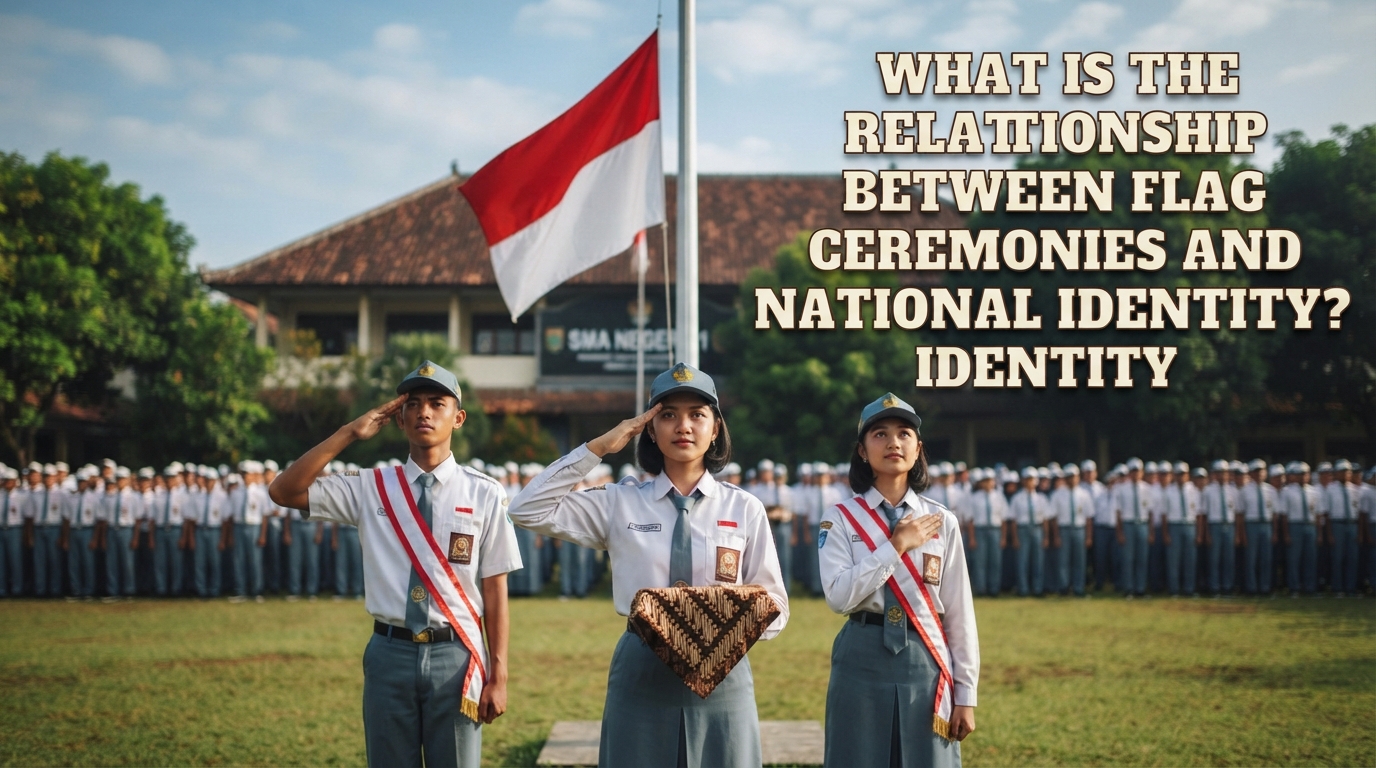
Flag ceremonies have a close relationship with national identity because they remind people of their country's history, values, symbols, and shared responsibilities. In schools, these ceremonies provide students with opportunities to understand the meaning of the national flag, respect national symbols, and develop a sense of belonging to their country. In Indonesia, flag ceremonies commonly involve raising the Red and White Flag, singing the national anthem, and observing moments of respect for the nation.
More than a formal school activity, a flag ceremony can become an important way to strengthen national awareness, unity, patriotism, and cultural appreciation. Through regular participation, students can learn that national identity is not only represented by symbols but also reflected in their attitudes and actions in everyday life.
UNDERSTANDING THE MEANING OF NATIONAL IDENTITY
National identity refers to the characteristics, values, history, culture, and symbols that distinguish one nation from another. It helps people recognize themselves as members of the same country, even when they have different backgrounds, languages, religions, and traditions. National identity can be reflected through a country's flag, national anthem, language, historical experiences, and shared principles. In Indonesia, these elements include the Red and White Flag, the national anthem Indonesia Raya, and the values of Pancasila. Understanding national identity encourages people to appreciate their country's diversity and maintain a sense of responsibility toward the nation.
FLAG CEREMONIES AS A SYMBOL OF NATIONAL UNITY
Flag ceremonies bring students and school communities together in one activity, regardless of their personal or cultural differences. During the ceremony, everyone participates in the same sequence of activities, such as respecting the national flag and singing the national anthem. These shared experiences can strengthen unity and togetherness among students. They also remind participants that being part of a nation means respecting others and working toward common goals. Therefore, flag ceremonies can help develop a sense of belonging and strengthen the connection between individuals and their country.
BUILDING RESPECT FOR NATIONAL SYMBOLS
National symbols represent a country's history, independence, struggles, and collective identity. During a flag ceremony, students learn to respect the national flag by observing proper procedures when it is raised and lowered. Singing the national anthem also teaches them to appreciate the sacrifices and efforts made by previous generations. These activities help students understand that national symbols are not merely objects or songs but meaningful representations of the nation. Developing respect for these symbols can encourage patriotism and national pride.
CONNECTING NATIONAL HISTORY WITH YOUNGER GENERATIONS
Flag ceremonies provide opportunities for schools to introduce important events and figures from national history. Messages delivered by ceremony supervisors can explain the meaning of independence, the struggles of national heroes, and the importance of protecting the country's unity. Through these explanations, students can understand that the freedom they enjoy today was achieved through the dedication and sacrifices of many people. Historical knowledge also helps young generations recognize the importance of learning from the past. As a result, flag ceremonies can support historical awareness and encourage students to appreciate their national identity.
DEVELOPING PATRIOTISM AND NATIONAL RESPONSIBILITY
Patriotism is an attitude of love, respect, and concern for one's country. Flag ceremonies can help develop this attitude by reminding students of their responsibilities as members of the nation. However, patriotism should not be limited to attending ceremonies or singing the national anthem. It should also appear in everyday behavior, such as respecting differences, following rules, maintaining public facilities, and contributing positively to society. Students who understand these responsibilities are more likely to recognize that building a better country requires active participation from its citizens.
PRESERVING NATIONAL VALUES IN A DIVERSE SOCIETY
Indonesia has a diverse population with different ethnic groups, languages, religions, and cultural traditions. This diversity is an important part of Indonesian national identity and should be respected by every generation. Flag ceremonies provide a shared activity that can remind students of the importance of tolerance, mutual respect, and national unity. Schools can strengthen this message by explaining how the values of Pancasila encourage people to live peacefully despite their differences. In this way, ceremonies can help students understand that national identity does not require everyone to be the same. Instead, it encourages people to maintain unity while appreciating cultural diversity.
THE ROLE OF SCHOOLS IN STRENGTHENING NATIONAL IDENTITY
Schools play an important role in introducing national values through education and daily activities. Teachers and school leaders can make flag ceremonies more meaningful by explaining the purpose of each activity instead of treating them only as weekly routines. Students can also be involved as ceremony officers, speakers, and organizers to develop leadership, discipline, and responsibility. In addition, schools can connect ceremony themes with lessons about national history, citizenship, and cultural diversity. These efforts help students understand national identity more deeply and apply its values in their daily lives.
CONCLUSION
Flag ceremonies and national identity are closely connected because ceremonies provide opportunities to understand and appreciate a country's symbols, history, and shared values. Through these activities, students can develop unity, patriotism, respect, discipline, and national responsibility. However, the true meaning of a ceremony should extend beyond formal participation. National identity becomes stronger when people apply positive national values in their everyday behavior and respect the diversity within their society. Therefore, meaningful flag ceremonies can contribute to building a generation that understands, appreciates, and cares about its country.
Recent Posts

How Does Technology Make Daily Evaluation... 21.11.2026/58 View

Apa Strategi Menghadapi Kesenjangan antara Kompetensi... 21.11.2026/60 View

Mengapa Inventaris Aset Penting bagi Kelancaran... 21.11.2026/56 View

When Should Musicians Join a Record... 21.11.2026/55 View

Daily Evaluation or Daily Planning Which... 21.11.2026/63 View
