

What Is the Relationship Between Moral Education and Character Development?
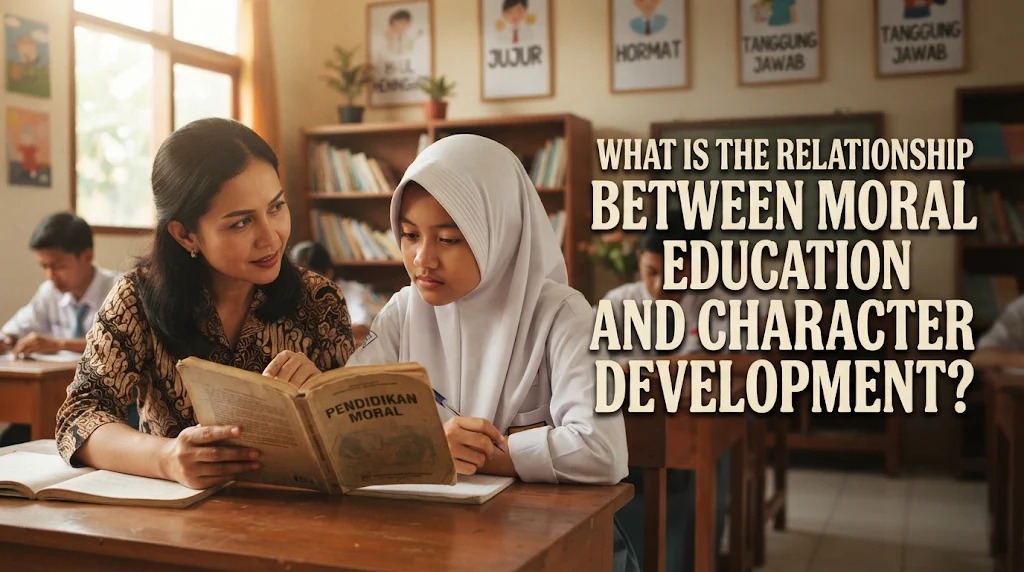
Moral education and character development are closely connected because both focus on shaping individuals into responsible, respectful, and ethical members of society. Moral education teaches important values such as honesty, discipline, empathy, and responsibility, while character development helps individuals apply these values in their daily behavior. During childhood and adolescence, these lessons are especially important because young people are still developing their attitudes and personalities. Through consistent moral guidance, individuals can build strong character and learn to make positive decisions in different situations.
BUILDING STRONG MORAL VALUES
Moral education provides the foundation for developing positive character. It introduces individuals to important principles such as honesty, kindness, fairness, and respect for others.
When these values are taught consistently, individuals can understand the importance of behaving appropriately. Over time, these principles become part of their daily habits and influence how they interact with other people.
DEVELOPING RESPONSIBILITY
Responsibility is an important part of character development that can be strengthened through moral education. Individuals learn to understand their duties, fulfill commitments, and accept the consequences of their actions.
For example, students demonstrate responsibility by completing assignments, following school rules, and admitting their mistakes. These simple actions help them become more independent and accountable in everyday life.
ENCOURAGING HONESTY AND INTEGRITY
Moral education teaches individuals to value honesty in their words and actions. It encourages them to tell the truth, avoid cheating, and treat others fairly.
Practicing honesty helps build integrity, which means maintaining good principles even when facing difficult situations. This quality is essential for developing trustworthy individuals who can maintain positive relationships.
STRENGTHENING EMPATHY AND RESPECT
Character development also involves understanding and respecting other people's feelings. Through moral education, individuals learn to appreciate differences, listen to others, and show kindness in social interactions.
Empathy encourages people to consider how their actions affect others. As a result, they become more thoughtful and willing to help people who need support.
IMPROVING SELF-DISCIPLINE
Self-discipline helps individuals control their behavior, manage their time, and remain committed to their responsibilities. Moral education encourages these habits by teaching the importance of consistency and self-control.
Students who develop discipline are more likely to follow positive routines and avoid harmful activities. These habits also support their academic progress and personal growth.
GUIDING DECISION-MAKING
Moral education helps individuals distinguish between right and wrong when facing different situations. It provides ethical principles that can guide their decisions and actions.
With strong character, individuals can think carefully about the consequences of their choices instead of acting only based on emotions or external pressure. This ability helps them become more mature and responsible.
CREATING POSITIVE SOCIAL RELATIONSHIPS
Individuals with strong moral character are more likely to build healthy relationships with family members, friends, teachers, and colleagues. Values such as tolerance, honesty, and mutual respect help create trust and understanding.
Moral education also encourages cooperation and peaceful communication. These qualities support a positive social environment where people can work together despite their differences.
PREPARING INDIVIDUALS FOR THE FUTURE
Moral education provides valuable lessons that remain important throughout life. Strong character helps individuals face challenges, adapt to different environments, and maintain ethical behavior in various situations.
In the future, these qualities can support success in education, careers, and social relationships. Individuals who practice positive moral values are also more prepared to contribute to their communities.
CONCLUSION
Moral education and character development have a strong relationship because moral values become the foundation of positive attitudes and behavior. Through honesty, responsibility, empathy, discipline, and respect, individuals can develop strong personal character. Consistent guidance from parents, teachers, and communities helps ensure that these values are not only understood but also practiced in everyday life. Therefore, moral education is essential for preparing responsible individuals who can contribute positively to society.
Recent Posts

How Does Technology Make Daily Evaluation... 21.11.2026/57 View

Apa Strategi Menghadapi Kesenjangan antara Kompetensi... 21.11.2026/59 View

Mengapa Inventaris Aset Penting bagi Kelancaran... 21.11.2026/55 View

When Should Musicians Join a Record... 21.11.2026/54 View

Daily Evaluation or Daily Planning Which... 21.11.2026/61 View
