

What Is the Relationship Between Personality and Character Development?
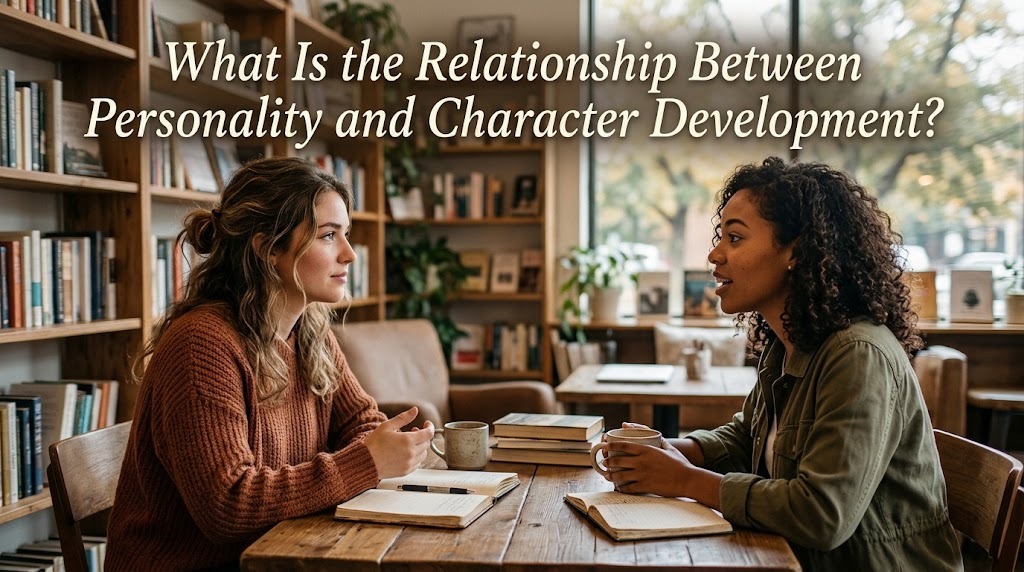
Personality and character development are closely related aspects of human growth that influence how individuals think, feel, and behave in everyday life. Although these two concepts are often used interchangeably, they have different meanings. Personality refers to a person's typical patterns of thinking, feeling, and behaving, while character relates more closely to moral values, principles, and attitudes that guide decisions and actions.
Both personality and character influence how people interact with others, respond to challenges, and make decisions. They develop through a combination of personal experiences, family environments, education, social relationships, and individual learning. Understanding the relationship between personality and character development can help individuals recognize their strengths, improve their behavior, and build a more positive identity.
UNDERSTANDING PERSONALITY AND CHARACTER DEVELOPMENT
Personality is a combination of psychological characteristics that influence how someone responds to different situations. It includes traits such as confidence, patience, openness, emotional stability, and sociability. These characteristics help explain why people may react differently to the same experience. Personality is influenced by genetic factors, temperament, upbringing, and environmental experiences throughout life.
Character development refers to the process of building moral values, attitudes, and principles that guide a person's behavior. It involves learning honesty, responsibility, discipline, empathy, respect, and fairness. Unlike personality traits, which describe individual behavioral tendencies, character focuses more on how people understand and apply values in their decisions. Both processes contribute to personal identity and influence how individuals develop relationships with the world around them.
THE MAIN DIFFERENCES BETWEEN PERSONALITY AND CHARACTER
Personality and character are connected, but they are not exactly the same. Personality describes how individuals naturally tend to think, feel, and behave, while character reflects the values and principles they demonstrate through their actions. For example, someone may have an introverted personality but still show strong leadership, honesty, and responsibility. This means that personality does not determine whether someone has good or bad character.
Another difference is how these characteristics develop and change. Personality is influenced by inherited tendencies and life experiences, making some traits relatively stable over time. Character, meanwhile, can be strengthened through education, personal reflection, positive habits, and repeated decisions. Although both can develop throughout life, character formation places particular emphasis on moral learning and conscious behavioral choices.
HOW PERSONALITY INFLUENCES CHARACTER DEVELOPMENT
Personality can influence how individuals understand values and express them in everyday situations. For example, people who naturally show empathy may find it easier to understand other people's feelings and demonstrate kindness. Individuals who are naturally confident may be more willing to defend their principles or take responsibility for difficult decisions. However, these tendencies do not automatically determine a person's moral character.
A person's personality can also influence the challenges they experience during character development. Someone who is easily frustrated may need to practice patience and emotional control, while someone who avoids social interaction may need opportunities to develop communication and cooperation skills. Through consistent learning and self-awareness, individuals can strengthen positive behaviors regardless of their natural personality traits. This shows that personality can influence the process of character formation without limiting a person's ability to improve.
HOW CHARACTER SHAPES PERSONAL BEHAVIOR
Character influences how individuals apply their values when making decisions and interacting with other people. A person with strong integrity, for example, will generally try to remain honest even when telling the truth is difficult. Someone who values responsibility will make an effort to complete commitments and accept the consequences of their actions. These principles help individuals maintain consistent behavior in different situations.
Good character also helps people manage situations that require difficult decisions. When individuals understand the importance of respect, fairness, and empathy, they can consider the effects of their actions on others. Character provides moral guidance that helps people distinguish between appropriate and inappropriate behavior. Over time, consistently applying positive values can strengthen trust and create healthier relationships.
THE ROLE OF FAMILY IN PERSONALITY AND CHARACTER FORMATION
Family is one of the first environments where children learn about personality, behavior, and moral values. Through everyday interactions, children observe how parents communicate, solve problems, express emotions, and treat other people. These experiences can influence their confidence, emotional responses, and understanding of acceptable behavior. Parents also introduce important values such as honesty, respect, discipline, and responsibility through direct guidance and personal examples.
A supportive family environment allows children to express themselves while learning appropriate boundaries. When parents listen to their children, provide encouragement, and explain the consequences of their actions, children gain opportunities to develop self-awareness and positive habits. Consistent guidance is particularly important because children often learn more from what adults demonstrate than from what they simply say. Therefore, family involvement plays an important role in both personality development and character formation.
THE IMPORTANCE OF EDUCATION IN BUILDING POSITIVE CHARACTER
Education contributes to character development by providing knowledge, experiences, and opportunities to practice positive values. Schools do not only teach academic subjects but also help students learn discipline, cooperation, respect, and responsibility. Through classroom activities, group projects, and school regulations, students become familiar with the importance of following rules and respecting differences. These experiences can support the development of positive attitudes and social skills.
Teachers also influence character development through their behavior and interactions with students. Fair treatment, constructive feedback, and encouragement can help students understand the importance of honesty, confidence, and mutual respect. Character education becomes more effective when moral values are practiced consistently rather than taught only as theoretical concepts. By combining academic learning with positive habits, schools can help students become more responsible individuals.
THE INFLUENCE OF SOCIAL ENVIRONMENTS ON PERSONALITY AND CHARACTER
Social environments influence how individuals develop their personalities and understand character values. Friendships, communities, and social interactions expose people to different perspectives, behaviors, and ways of thinking. Positive friendships can encourage confidence, cooperation, empathy, and responsibility. Meanwhile, negative social influences may introduce unhealthy habits or pressure individuals to behave against their personal values.
Learning to interact with different people also helps individuals understand the importance of tolerance and respect. Through social experiences, they can practice resolving disagreements, listening to others, and accepting differences. Individuals who maintain positive relationships and choose supportive environments often have better opportunities to strengthen healthy behaviors. However, developing strong character also requires the ability to make responsible decisions when facing negative peer pressure.
HOW TO DEVELOP A BALANCED PERSONALITY AND STRONG CHARACTER
Developing a balanced personality and strong character requires continuous effort and self-awareness. Individuals can begin by recognizing their strengths, understanding their weaknesses, and identifying behaviors that need improvement. Setting realistic personal goals can help them develop confidence, discipline, and a clearer sense of direction. Small actions, such as keeping promises, managing emotions, and respecting others, can gradually become positive habits.
Another important step is learning from everyday experiences and accepting constructive feedback. Mistakes should be treated as opportunities to understand personal behavior and make better decisions in the future. Individuals can also strengthen their character by practicing honesty, empathy, patience, and responsibility in different situations. Consistent personal development helps create a positive balance between individual personality traits and moral principles.
CONCLUSION
Personality and character development are closely connected because both influence how individuals think, feel, behave, and interact with others. Personality describes a person's typical psychological and behavioral characteristics, while character reflects the moral values and principles that guide their decisions. Personality can influence how people express their character, but it does not determine their moral qualities completely.
Family, education, friendships, and personal experiences all contribute to the development of these two aspects. By practicing positive habits, developing self-awareness, and learning from everyday situations, individuals can strengthen their character while improving their personality. Both are essential for building a responsible identity, maintaining healthy relationships, and achieving positive personal growth.
Recent Posts

Bagaimana Sistem SKS pada Program Kuliah... 22.11.2026/45 View

How Does Technology Make Daily Evaluation... 21.11.2026/73 View

Apa Strategi Menghadapi Kesenjangan antara Kompetensi... 21.11.2026/75 View

Mengapa Inventaris Aset Penting bagi Kelancaran... 21.11.2026/71 View

When Should Musicians Join a Record... 21.11.2026/75 View
