

What Is The Relationship Between The Transitional Season And Respiratory Diseases?
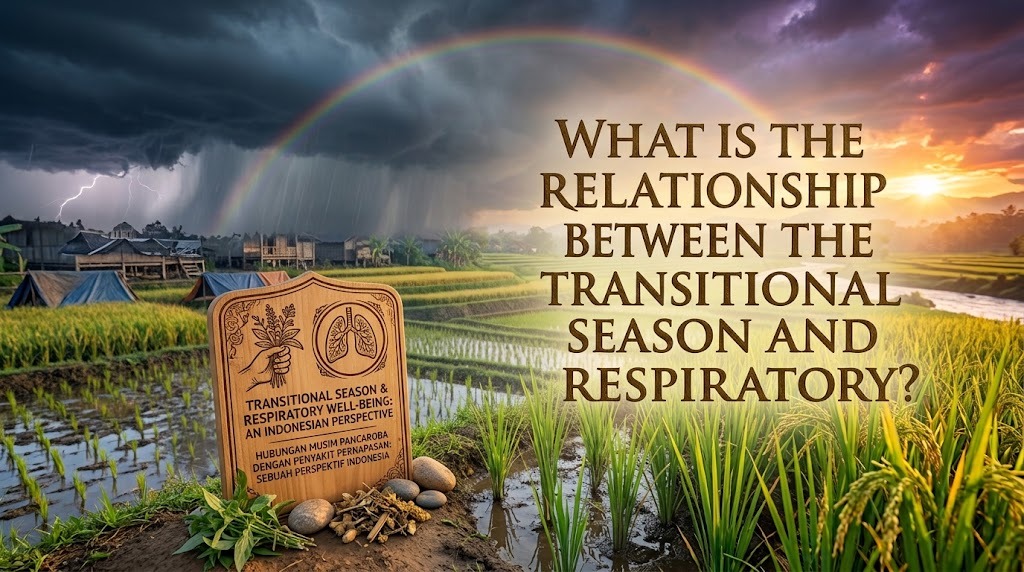
The transitional season, also known as the change between the rainy and dry seasons, often brings unpredictable weather. In Indonesia, people may experience sudden rain, hot temperatures, strong winds, and changes in humidity within a short period. These changing conditions can influence respiratory health, especially for people who are sensitive to dust, smoke, mold, or other airborne particles. During this period, some people may experience coughing, sneezing, a runny nose, or worsening asthma symptoms. However, the transitional season does not directly cause every respiratory illness. The risk depends on factors such as exposure to infectious germs, environmental conditions, and a person's overall health.
HOW WEATHER CHANGES AFFECT RESPIRATORY HEALTH
During the transitional season, changes in temperature and humidity can affect how comfortable people feel when breathing. Moving between hot outdoor conditions and cooler indoor spaces may irritate the nose and throat in some individuals. Dry air can contribute to irritation of the respiratory tract, while damp environments may encourage mold growth. These factors can worsen symptoms in people who already have allergies or respiratory conditions. However, temperature changes alone do not necessarily cause an infection.
Weather conditions can also influence people's daily habits. When heavy rain occurs, people may spend more time indoors, where close contact can make it easier for respiratory viruses to spread. Poor ventilation can increase the concentration of infectious particles in shared indoor spaces. At the same time, outdoor air pollution may worsen respiratory symptoms when pollutants accumulate or spread through the wind. Weather changes can influence respiratory health indirectly, but the specific effects vary depending on local conditions and individual sensitivity.
RESPIRATORY DISEASES THAT MAY BECOME MORE NOTICEABLE
Several respiratory illnesses may occur during the transitional season, although their frequency depends on local disease patterns and exposure. The common cold is a viral infection that can cause sneezing, a runny nose, a sore throat, and coughing. Influenza, or the flu, can cause fever, body aches, fatigue, headaches, and respiratory symptoms. Other respiratory viruses may also cause similar symptoms, making it difficult to identify the exact illness based on symptoms alone. Weather changes may affect people's exposure and behavior, but they do not determine when these infections will occur.
People with asthma may experience worsening symptoms when exposed to dust, smoke, mold, or other irritants. Allergic rhinitis can also become more noticeable when people encounter allergens such as pollen or mold spores. These conditions are not the same as infectious diseases because they do not spread from person to person like viral infections. Nevertheless, their symptoms can become more troublesome when environmental conditions change. Understanding the difference between infections, allergies, and asthma can help people choose appropriate ways to manage their symptoms.
THE ROLE OF VIRUSES AND INDOOR ENVIRONMENTS
Respiratory viruses are important causes of illnesses such as colds, influenza, and some forms of bronchitis. They can spread through infectious particles released when an infected person breathes, talks, coughs, or sneezes. Transmission can occur more easily in crowded indoor spaces with poor ventilation, especially when people spend long periods close together. During rainy weather, people may gather indoors more often, increasing opportunities for exposure. However, the risk depends on the virus, ventilation, contact patterns, and other factors rather than the season alone.
Indoor environments can also influence respiratory symptoms even when no infection is present. Damp walls, leaking roofs, and poorly ventilated rooms may encourage mold growth, which can trigger allergic reactions or worsen asthma in sensitive people. Dust and smoke from cooking, tobacco, or burning waste can further irritate the respiratory tract. Keeping rooms clean, repairing water leaks, and improving ventilation when outdoor air is safe can reduce some of these risks. A clean and well-ventilated indoor environment supports better respiratory health throughout the year.
AIR POLLUTION AND RESPIRATORY DISEASES
Air pollution is another factor that can connect transitional-season weather with respiratory problems. Strong winds may lift dust from roads and bare land, while dry conditions can allow particles to remain airborne. Smoke from fires, vehicle exhaust, and industrial activities may also contribute to poor air quality. Fine particles such as PM2.5 can travel deep into the lungs and cause irritation or worsen existing respiratory conditions. The amount of pollution depends on its sources, weather patterns, and how well the atmosphere disperses pollutants.
Exposure to polluted air can cause coughing, wheezing, throat irritation, and shortness of breath, particularly in sensitive individuals. People with asthma or chronic lung disease may be more vulnerable to these effects. Pollution can also increase the burden on the respiratory system, making it important to monitor local air-quality information. When pollution levels are high, reducing strenuous outdoor activity and avoiding smoke can help limit exposure. Reducing air pollution and protecting people from harmful particles are important public health measures.
PEOPLE WHO NEED EXTRA PROTECTION
Some groups may face a higher risk of severe respiratory illness or complications. Young children and older adults may be more vulnerable because of differences in immune function and overall health. People with asthma, chronic obstructive pulmonary disease, heart disease, or weakened immune systems may also need extra care. Exposure to smoke, dust, and infectious respiratory particles can affect these groups more seriously. Their individual risk depends on their health status and the type of exposure.
Families can help protect vulnerable members by keeping indoor spaces free from smoke, encouraging regular handwashing, and avoiding close contact when someone is sick. Staying up to date with recommended vaccinations, including influenza vaccination when appropriate, can reduce the risk of certain infections and their complications. People with existing respiratory conditions should follow their prescribed treatment plans and seek medical advice when symptoms change. Extra precautions are especially important for people at higher risk, but everyone can benefit from healthy habits and cleaner air.
HOW TO PREVENT RESPIRATORY DISEASES DURING THE TRANSITIONAL SEASON
Preventive habits can reduce the risk of respiratory infections and help limit irritation from environmental triggers. Wash your hands regularly with soap and water, avoid touching your eyes and nose with unwashed hands, and cover coughs and sneezes properly. If you have symptoms of a respiratory infection, limit close contact with others and consider wearing a well-fitting mask in shared indoor spaces. Keep rooms ventilated when outdoor air quality is good, and clean frequently touched surfaces when necessary. Good hygiene and considerate behavior can help reduce the spread of respiratory infections.
People should also pay attention to their surroundings and personal health. Avoid burning rubbish, reduce exposure to tobacco smoke, and check air-quality reports when dust or smoke is present. Drink enough water, get sufficient sleep, eat a balanced diet, and follow recommended vaccinations to support general health. Seek medical care if symptoms become severe, persist, or worsen unexpectedly. Difficulty breathing, chest pain, or bluish lips require urgent medical attention. Early action can help prevent complications and ensure that serious conditions receive appropriate care.
CONCLUSION
The relationship between the transitional season and respiratory diseases involves several factors, including changing weather, indoor crowding, air pollution, and exposure to infectious germs. The season itself does not directly cause every respiratory illness, but its environmental conditions and changes in daily behavior may influence the risk of infections or worsen existing symptoms. Dust, smoke, mold, and poor ventilation can also affect people with sensitive airways. By maintaining good hygiene, improving indoor air quality, following recommended vaccinations, and monitoring symptoms, people can protect their respiratory health. Awareness and early prevention are important for staying healthy during unpredictable seasonal changes.
Recent Posts

Bagaimana Sistem SKS pada Program Kuliah... 22.11.2026/54 View

How Does Technology Make Daily Evaluation... 21.11.2026/83 View

Apa Strategi Menghadapi Kesenjangan antara Kompetensi... 21.11.2026/81 View

Mengapa Inventaris Aset Penting bagi Kelancaran... 21.11.2026/78 View

When Should Musicians Join a Record... 21.11.2026/82 View
