

What Is the Role of Homeroom Teachers in Preparing Students for the Future?
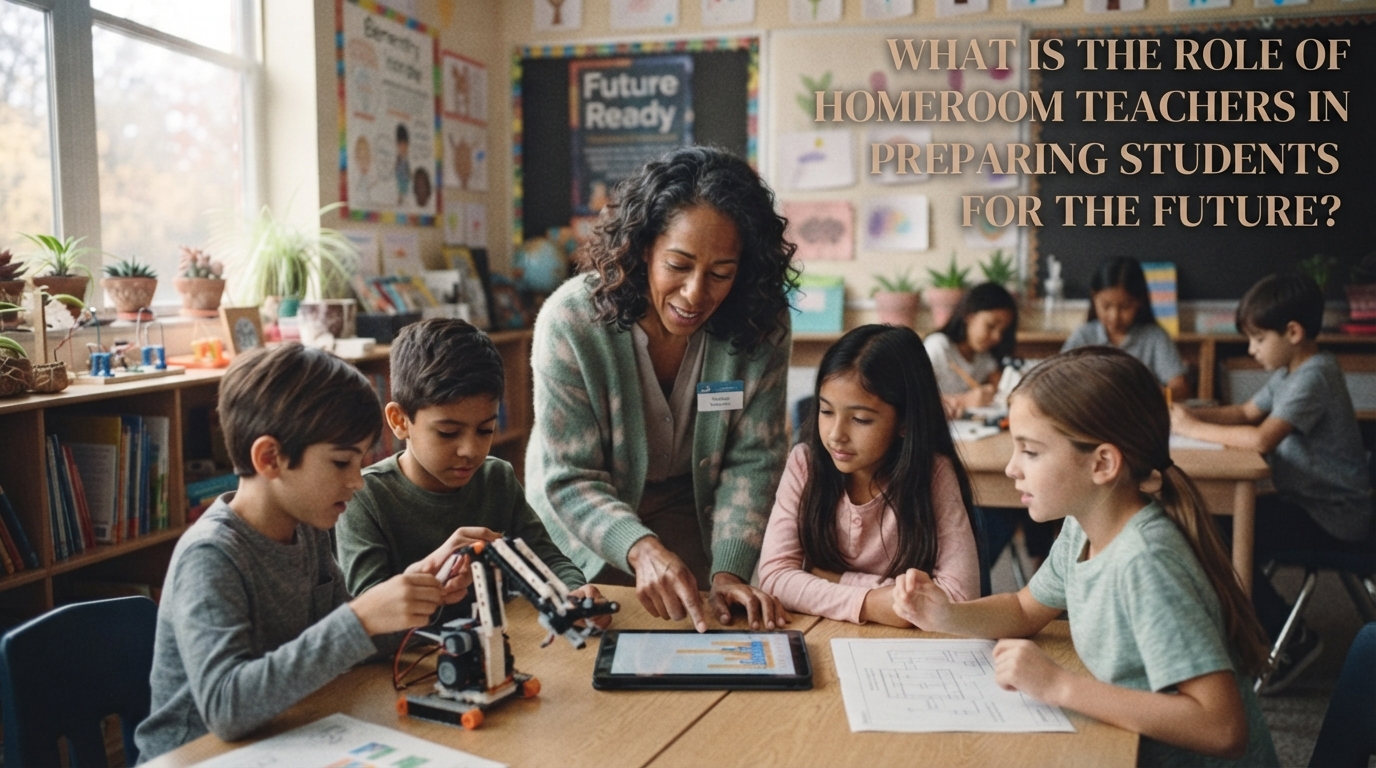
Preparing students for the future involves more than helping them achieve good academic results. Students also need life skills, confidence, responsibility, critical thinking, and the ability to adapt to different situations. These abilities are important because the future may bring changes in education, technology, careers, and social environments. Homeroom teachers play an important role in helping students develop the knowledge and attitudes they need to face these changes.
As teachers who regularly interact with students, homeroom teachers can understand their academic progress, personalities, interests, and challenges. This position allows them to provide guidance that supports both educational achievement and personal development. Through appropriate mentoring and positive classroom activities, homeroom teachers help students become more independent, prepared, and confident when facing future opportunities and responsibilities.
1. DEVELOPING STUDENTS' CONFIDENCE AND SELF-AWARENESS
Confidence is an important foundation for preparing students to face the future. Students who believe in their abilities are generally more willing to express opinions, participate in activities, and try new experiences. Homeroom teachers can encourage confidence by appreciating students' efforts, recognizing their achievements, and providing opportunities to demonstrate their abilities. They should also help students understand that making mistakes is a normal part of learning.
In addition, teachers need to help students recognize their strengths, weaknesses, interests, and personal values. This self-awareness allows students to understand what they are good at and which areas they need to improve. For example, students who discover an interest in communication may develop their abilities through presentations, discussions, or school organizations. Understanding themselves can help students make more thoughtful decisions about their education and future goals.
2. BUILDING IMPORTANT LIFE SKILLS
Academic knowledge is valuable, but students also need practical skills to handle everyday situations. Homeroom teachers can help develop life skills such as problem-solving, time management, decision-making, communication, and responsibility. These abilities can be introduced through classroom responsibilities, group assignments, discussions, and school activities. Students gradually learn how to manage tasks and respond to challenges independently.
Teachers should also encourage students to apply these skills outside academic activities. For instance, managing a group project teaches cooperation, planning, and accountability. Handling disagreements helps students practice respectful communication and conflict resolution. Practical life skills prepare students to manage personal responsibilities, continue their education, and participate effectively in society.
3. ENCOURAGING CRITICAL THINKING AND CREATIVITY
The future requires individuals who can understand information, evaluate different perspectives, and find solutions to problems. Therefore, homeroom teachers should encourage students to develop critical thinking and creativity. Teachers can support these abilities by asking open-ended questions, organizing discussions, and giving students opportunities to explore different ideas. Students should be encouraged to explain their reasoning rather than simply memorize information.
Creative activities can also help students discover new ways to approach challenges. Group projects, presentations, research assignments, and problem-solving exercises provide opportunities to practice independent thinking. Teachers should appreciate original ideas while guiding students to evaluate whether their solutions are realistic and supported by evidence. These experiences help students become more adaptable when facing unfamiliar situations in the future.
4. GUIDING STUDENTS IN IDENTIFYING THEIR INTERESTS AND TALENTS
Every student has different interests, talents, and abilities that may influence their future educational and career choices. Homeroom teachers can help students discover these qualities through classroom observations, discussions, extracurricular activities, and academic evaluations. They should pay attention to students' enthusiasm, learning preferences, and areas where they demonstrate strong potential. This information can become a useful starting point for personal guidance.
However, teachers should not force students to follow a particular career path or make decisions based only on academic grades. Instead, they should provide information about different opportunities and encourage students to explore their options. Talent development and career awareness help students make choices that are more suitable for their interests, abilities, and goals. When students understand their potential, they can prepare more confidently for the next stage of their lives.
5. INTRODUCING CAREER AWARENESS AND FUTURE OPPORTUNITIES
Career preparation should begin before students enter the workforce. Homeroom teachers can introduce different professions, educational pathways, and the qualifications required for various careers. They can also encourage students to learn about changes in the world of work, including the influence of technology and new industries. This knowledge helps students understand that career planning requires preparation and continuous learning.
Teachers may organize career discussions, invite professionals to share their experiences, or provide information about further education. Students can also be encouraged to explore their interests through projects, reading, and relevant extracurricular activities. Career awareness does not mean that students must choose a permanent profession at an early age. Rather, it helps them recognize available opportunities and prepare for informed decisions as they grow.
6. TEACHING DISCIPLINE AND RESPONSIBILITY
Discipline and responsibility are important qualities for students who want to succeed in future academic and professional environments. Homeroom teachers can develop these habits by establishing clear classroom expectations and encouraging students to complete their responsibilities. Activities such as following schedules, submitting assignments on time, and maintaining classroom cleanliness provide practical opportunities to practice discipline. Students also learn that their actions have consequences.
Teachers should apply rules consistently while explaining the reasons behind them. They can encourage students to take responsibility for mistakes instead of blaming others or avoiding difficult tasks. Self-discipline and accountability help students become more independent and reliable. These qualities are useful when managing higher education, workplace responsibilities, and everyday challenges.
7. STRENGTHENING COMMUNICATION AND TEAMWORK SKILLS
Communication and teamwork are essential abilities in education, professional environments, and social relationships. Homeroom teachers can help students develop these skills through group discussions, collaborative projects, presentations, and classroom organizations. Such activities teach students how to express ideas clearly, listen to others, and respect different opinions. Students also learn that successful cooperation requires patience and mutual understanding.
Teachers should provide opportunities for students with different personalities and abilities to participate. Quiet students, for example, may need encouragement to express their ideas, while more confident students can learn to give others space to contribute. Effective communication and collaboration prepare students to work with different people and handle shared responsibilities. These abilities are valuable in almost every future learning and working environment.
8. DEVELOPING DIGITAL LITERACY AND RESPONSIBLE TECHNOLOGY USE
Digital technology has become an important part of modern education and professional life. Homeroom teachers can help students understand how to use digital tools for learning, research, communication, and creative activities. Students should also learn how to evaluate online information, recognize unreliable sources, and protect their personal data. These abilities are essential for participating safely and effectively in a digital society.
Technology education should not focus only on operating devices or applications. Teachers also need to discuss digital responsibility, including online ethics, privacy, respectful communication, and the risks of cyberbullying. Students should understand that digital tools are useful when applied carefully and appropriately. Developing digital literacy helps prepare them for educational and professional environments that increasingly depend on technology.
9. PROVIDING EMOTIONAL SUPPORT AND BUILDING RESILIENCE
Preparing students for the future also means helping them develop emotional strength. Students may experience academic pressure, personal problems, social conflicts, or uncertainty about their abilities. Homeroom teachers can provide support by listening to students' concerns, recognizing changes in their behavior, and encouraging healthy ways to manage challenges. A supportive relationship can help students feel more comfortable asking for assistance when they need it.
Teachers should also help students understand that failure and disappointment are not the end of their progress. Through constructive feedback, reflection, and encouragement, students can learn to evaluate mistakes and try again. This process develops resilience, which is the ability to adapt and recover when facing difficulties. When emotional support is needed beyond a teacher's role, homeroom teachers should coordinate with school counselors, parents, or qualified professionals.
10. COOPERATING WITH PARENTS AND THE SCHOOL COMMUNITY
Preparing students for the future is not a responsibility that homeroom teachers should handle alone. Cooperation with parents, subject teachers, school counselors, and other educational staff helps provide more consistent support. Homeroom teachers can communicate students' progress, discuss challenges, and share suggestions for improving their development. This collaboration allows different parties to understand students' needs from various perspectives.
Parents can reinforce positive habits at home, while schools can provide learning activities and guidance that support students' interests. Teachers should maintain respectful communication and protect students' personal information when discussing their development. Strong cooperation between schools and families creates a supportive environment where students can develop academically, socially, and emotionally. Working together makes future preparation more comprehensive and effective.
CONCLUSION
Homeroom teachers play an important role in preparing students for the future by supporting their academic progress, personal development, and practical abilities. Through guidance, encouragement, and positive classroom activities, teachers can help students develop confidence, critical thinking, communication, discipline, digital literacy, and emotional resilience. They can also help students recognize their talents and understand future educational and career opportunities.
However, preparing students for the future requires cooperation between teachers, parents, and the school community. Students also need opportunities to practice their abilities and make responsible decisions independently. The role of homeroom teachers is not simply to guide students through their current education, but also to help them become capable, responsible, and adaptable individuals who are ready to face future challenges.
Recent Posts

How Does Technology Make Daily Evaluation... 21.11.2026/56 View

Apa Strategi Menghadapi Kesenjangan antara Kompetensi... 21.11.2026/58 View

Mengapa Inventaris Aset Penting bagi Kelancaran... 21.11.2026/52 View

When Should Musicians Join a Record... 21.11.2026/53 View

Daily Evaluation or Daily Planning Which... 21.11.2026/60 View
