

What Is the Role of Local Governments in Supervising Regional Government Owned Enterprises?
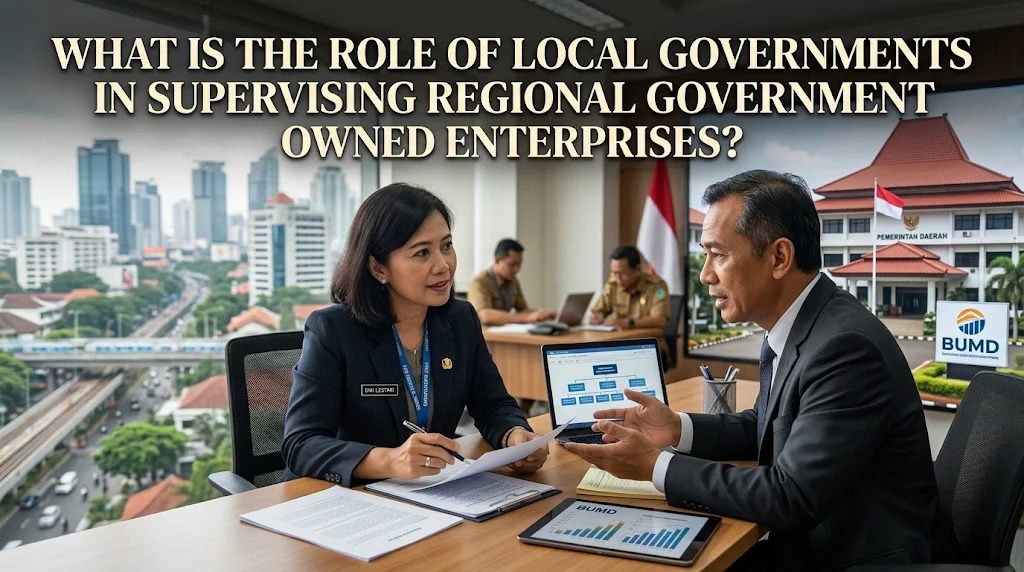
Regional Government Owned Enterprises (BUMD) play an important role in supporting local economic development and providing essential services to communities. These enterprises are owned by regional governments and operate in various sectors, including banking, clean water supply, transportation, energy, and regional trade. To ensure that they operate properly, local governments have an important responsibility to supervise their activities and performance.
Supervision is necessary to ensure that BUMD are managed professionally, use public investment responsibly, and achieve their business objectives. Through proper monitoring and evaluation, local governments can identify operational problems, prevent financial risks, and encourage transparency. Effective supervision also helps ensure that BUMD provide benefits to local communities while contributing to regional economic growth.
ENSURING TRANSPARENT AND ACCOUNTABLE MANAGEMENT
One of the main roles of local governments is ensuring that BUMD operate transparently and responsibly. Since regional governments invest public funds in these enterprises, their management must be accountable for financial decisions and business activities. Transparency helps prevent misuse of company resources and encourages responsible decision-making.
Local governments can support accountability by requiring regular financial reports, reviewing business performance, and ensuring that management follows applicable regulations. Financial information should be properly documented and evaluated to identify potential problems. These practices help regional governments understand how public investments are managed and whether company operations are achieving their intended objectives.
MONITORING FINANCIAL PERFORMANCE AND BUSINESS ACTIVITIES
Local governments are responsible for monitoring the financial condition and business performance of Regional Government Owned Enterprises. This includes reviewing revenue, operational expenses, profits, debts, investments, and financial risks. Regular monitoring helps identify whether a company is operating efficiently or experiencing financial difficulties.
Through financial evaluations, local governments can determine whether BUMD are achieving their business targets and contributing to regional development. If an enterprise experiences declining performance, the government can encourage management to improve its strategies and operational efficiency. Proper monitoring also helps prevent financial losses from becoming larger problems. As a result, BUMD can maintain healthier financial conditions and operate more sustainably.
ENSURING COMPLIANCE WITH LAWS AND REGULATIONS
Another important responsibility of local governments is ensuring that BUMD comply with applicable laws and regulations. These enterprises must follow legal requirements related to company management, financial reporting, employment, taxation, public services, and business operations. Compliance helps protect the interests of regional governments, employees, customers, and local communities.
Local governments can conduct evaluations and coordinate with relevant supervisory institutions to ensure that company activities meet legal standards. They must also ensure that important business decisions follow established procedures and do not violate public interests. When violations or irregularities are identified, appropriate corrective measures can be taken according to applicable regulations. This responsibility helps maintain public trust and supports professional business management.
EVALUATING COMPANY MANAGEMENT AND PERFORMANCE
Local governments also play a role in evaluating the performance of BUMD management. This evaluation helps determine whether directors and other responsible officials are carrying out their duties effectively. Important aspects include leadership, business planning, operational efficiency, financial management, and the achievement of company targets.
Performance evaluations can help identify weaknesses and determine which areas require improvement. Local governments can use the results to provide recommendations, establish performance expectations, and take appropriate actions within their legal authority. They may also evaluate whether company management has successfully balanced business objectives with public service responsibilities. This process encourages professional leadership and helps BUMD achieve better results.
PROTECTING PUBLIC INTERESTS AND SUPPORTING REGIONAL DEVELOPMENT
The supervision of BUMD is not limited to financial performance because these enterprises also have responsibilities toward local communities. Local governments must ensure that business activities remain consistent with regional development priorities and public service needs. This is particularly important for enterprises that provide essential services such as clean water, transportation, and other facilities.
Local governments can evaluate service quality, affordability, accessibility, and customer satisfaction. They can also encourage BUMD to develop business programs that support local economic activities and create employment opportunities. Effective supervision helps ensure that commercial objectives do not completely overshadow public responsibilities. By maintaining this balance, BUMD can contribute to community welfare and sustainable regional development.
CONCLUSION
Local governments have an important role in supervising Regional Government Owned Enterprises through financial monitoring, performance evaluation, regulatory compliance, and accountability requirements. These responsibilities help ensure that BUMD operate efficiently, manage public resources responsibly, and maintain professional business practices.
Effective supervision also protects public interests by encouraging better services and supporting regional economic development. With transparent management and consistent evaluation, BUMD can improve their performance, strengthen public trust, and provide sustainable benefits for local communities.
Recent Posts

Bagaimana Sistem SKS pada Program Kuliah... 22.11.2026/35 View

How Does Technology Make Daily Evaluation... 21.11.2026/69 View

Apa Strategi Menghadapi Kesenjangan antara Kompetensi... 21.11.2026/70 View

Mengapa Inventaris Aset Penting bagi Kelancaran... 21.11.2026/67 View

When Should Musicians Join a Record... 21.11.2026/69 View
