

What Is the Role of Music in Developing Musical Intelligence?
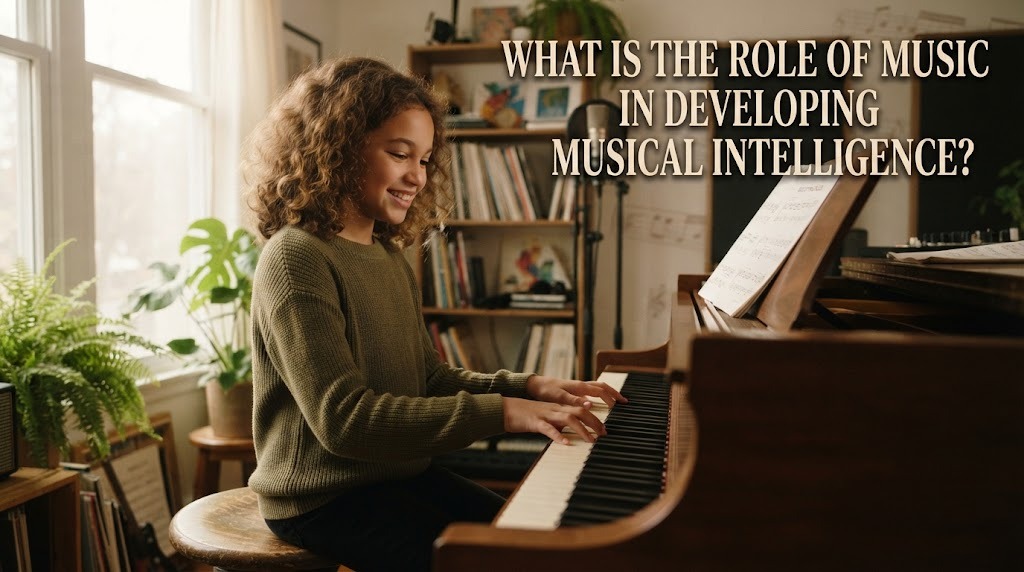
Music plays an important role in developing musical intelligence because it provides opportunities to recognize sounds, understand rhythms, remember melodies, and express creativity. Through regular exposure to music, people can learn to identify differences in pitch, tempo, tone, and musical patterns. These abilities can develop gradually through listening, singing, playing instruments, and creating simple compositions. Music is not only a form of entertainment but also a learning medium that can encourage attention, emotional expression, and creative exploration.
Musical intelligence is not limited to people who can sing beautifully or play instruments professionally. Anyone can explore musical activities according to their interests and abilities. With consistent practice and suitable learning experiences, people can become more sensitive to musical elements and improve their understanding of how music works. Understanding the role of music in this process can help parents, teachers, and learners choose activities that support musical development.
UNDERSTANDING MUSICAL INTELLIGENCE
Musical intelligence is the ability to recognize, understand, remember, and work with musical elements such as rhythm, melody, pitch, and tone. The concept is associated with Howard Gardner's theory of multiple intelligences, which describes different ways people may demonstrate abilities and learn. Individuals with musical strengths may recognize familiar songs quickly, notice changes in rhythm, or remember melodies after hearing them a few times. Some may also enjoy singing, composing music, or experimenting with musical instruments. However, musical intelligence can appear in many forms and does not require professional musical training.
Music provides a practical way to explore and develop these abilities. When people listen carefully to a song, they can identify its melody, notice repeated patterns, and distinguish between different instruments. Singing encourages them to follow notes and rhythms, while playing an instrument allows them to produce and organize sounds themselves. These experiences help learners build familiarity with musical structures through both listening and practice. Over time, they may become more confident in recognizing, understanding, and creating music.
MUSIC HELPS DEVELOP LISTENING SKILLS
Listening is one of the main ways music supports the development of musical intelligence. When people listen to different songs, they encounter variations in pitch, rhythm, volume, tempo, and tone. Paying attention to these elements helps them recognize similarities and differences between musical sounds. For example, a listener may learn to distinguish a piano from a guitar or notice when a song changes from a slow rhythm to a faster one. Such activities encourage careful listening rather than simply hearing music in the background.
Active listening can make this process more effective. Learners can focus on one musical element at a time, such as identifying the main melody or following the beat of a song. They can also listen to the same piece several times and notice details they missed previously. Comparing songs from different genres introduces a wider range of musical styles and structures. With regular practice, these experiences can improve sound awareness and help learners develop a deeper understanding of music.
MUSIC STRENGTHENS RHYTHM AND MELODY RECOGNITION
Rhythm and melody are essential elements of music, and repeated musical experiences can help people become more familiar with both. Rhythm refers to the pattern of sounds and silences over time, while melody is a sequence of notes perceived as a musical phrase. Listening to songs, clapping along to a beat, and singing familiar tunes allow learners to explore these elements in practical ways. They can begin by following simple patterns and gradually try more complex musical sequences. This process helps them recognize how different sounds combine to form a musical piece.
Activities that involve repeating rhythms or melodies can also encourage musical memory. For example, a teacher can clap a short pattern and ask students to repeat it, or play a simple melody and invite them to sing it back. These exercises require learners to listen carefully, remember the sequence, and reproduce it as accurately as possible. As they practice, they may become better at noticing repeated patterns and changes in musical structure. The goal is not immediate perfection but gradual improvement through enjoyable and consistent practice.
MUSIC ENCOURAGES MEMORY AND CONCENTRATION
Music can provide useful opportunities to practice remembering sequences of sounds. People often remember the melody or lyrics of a familiar song because they hear and repeat it over time. Learning a new song or musical piece requires attention to the order of notes, the timing of each phrase, and the relationship between different sections. These activities engage auditory memory, which helps people retain and recall information they hear. Musical exercises can therefore become a practical way to practice remembering sounds and patterns.
Concentration is also involved when learners follow a rhythm, learn an instrument, or listen for specific musical details. They may need to pay attention to timing, notice mistakes, and adjust their performance. However, music does not automatically improve every aspect of memory or concentration, and results can differ depending on the activity and individual. Its clearest role in musical development is to provide repeated opportunities to listen, remember, and respond to musical information. These skills become more familiar as learners continue practicing.
MUSIC SUPPORTS EMOTIONAL EXPRESSION
Music offers people a way to express and explore emotions through sound. Different melodies, rhythms, and musical arrangements can create feelings of excitement, calmness, sadness, or happiness, although listeners may respond differently to the same piece. Learning to notice these differences helps people understand how musical elements contribute to a song's mood. For example, a slow melody with gentle sounds may create a different impression from a fast rhythm with strong percussion. Recognizing these qualities can deepen a person's understanding of music.
Creating and performing music can also help learners communicate feelings and personal ideas. They might choose a particular song to reflect their mood, change the lyrics of a familiar melody, or create a simple composition inspired by an experience. These activities encourage creative expression while helping learners explore the relationship between sound and emotion. Sharing music with others may also introduce different interpretations of the same piece. In this way, music can support both musical awareness and personal expression without requiring learners to describe every feeling in words.
MUSIC DEVELOPS CREATIVITY AND IMAGINATION
Music provides many opportunities for experimentation and creative thinking. Learners can create their own melodies, combine different rhythms, invent lyrics, or explore how instruments sound together. They do not need advanced musical knowledge to begin these activities because simple experiments can introduce important musical concepts. For instance, changing the rhythm of a familiar song can produce a different effect, while altering a few notes can create a new melody. These experiences encourage curiosity and help learners discover different ways to organize sounds.
Creative musical activities also allow people to make choices and solve practical problems. Someone composing a song may need to decide which notes fit together, how a verse should flow, or where a rhythm should change. These decisions encourage experimentation and reflection. There is no single correct approach to every creative task, so learners can explore ideas and revise their work as they improve. Regular opportunities to create music can help them become more comfortable expressing original ideas and developing their personal musical style.
MUSIC ENCOURAGES LEARNING THROUGH PRACTICE
Consistent practice is important for developing musical intelligence because musical abilities generally grow through repeated experience. Singing regularly can help learners become more familiar with melodies and pitch, while instrument practice introduces them to notes, rhythms, and performance techniques. Listening exercises can improve their ability to notice musical details, and rhythm games can help them practice following a beat. Each activity provides a different way to engage with music, so combining several approaches can make learning more varied. The most suitable routine depends on the learner's age, interests, goals, and available resources.
A supportive learning environment can make musical practice easier to maintain. Parents and teachers can introduce music through enjoyable activities instead of expecting immediate results. Beginners can start with short songs, simple instruments, or basic listening exercises before moving on to more challenging tasks. Setting realistic goals, such as learning a short melody or recognizing several instruments, can help learners notice their progress. Encouragement and patience are important because musical development differs from person to person.
MUSIC CREATES OPPORTUNITIES FOR SOCIAL LEARNING
Music can also help people develop musical intelligence through shared experiences. Singing in a group, playing in an ensemble, or participating in a music class requires learners to listen to others and coordinate their performance. They may need to follow a conductor, maintain a steady rhythm, or adjust their volume to match the group. These activities encourage attention to musical details that may be harder to notice when practicing alone. They also provide opportunities to learn from the different techniques and interpretations of other musicians.
Social musical activities can make learning more enjoyable and motivating. Friends or family members can sing together, play simple rhythm games, or share their favorite songs. In a classroom, students can take turns creating patterns for others to repeat or work together on a short musical performance. These experiences expose learners to different musical preferences and encourage cooperation. Although group participation is not necessary for everyone, it can provide additional ways to practice listening, performing, and understanding music.
HOW TO USE MUSIC TO DEVELOP MUSICAL INTELLIGENCE
People can use music in everyday life without making major changes to their schedules. They can begin by listening to a song attentively, singing along, tapping out its rhythm, or identifying the instruments they hear. Those who are interested in learning an instrument can start with simple lessons and practice for short periods regularly. People who prefer creative activities can experiment with songwriting, rhythm patterns, or basic digital music tools. Choosing activities that feel enjoyable can make it easier to continue learning over time.
It is also useful to explore different types of music rather than focusing on only one style. Traditional music, classical compositions, jazz, pop songs, and instrumental pieces may contain different rhythms, instruments, and musical structures. Listening to this variety can broaden musical experience and encourage learners to recognize unfamiliar sounds. Keeping a record of songs learned or musical activities completed can help them track their progress. The aim is to develop a stronger relationship with music through curiosity, practice, and personal enjoyment rather than comparing abilities with other people.
CONCLUSION
Music plays an important role in developing musical intelligence by giving people opportunities to recognize sounds, understand rhythms, remember melodies, express emotions, and explore creativity. Through listening, singing, playing instruments, and participating in group activities, learners can gradually build their awareness of musical elements. Music also provides a practical and enjoyable way to practice attention, memory for sound patterns, and creative expression, although its broader effects can vary between individuals. Musical development does not require professional talent or expensive equipment to begin. With regular practice, suitable activities, and a supportive environment, people of different ages can explore their musical abilities and develop a deeper appreciation of music.
Recent Posts

Bagaimana Sistem SKS pada Program Kuliah... 22.11.2026/27 View

How Does Technology Make Daily Evaluation... 21.11.2026/65 View

Apa Strategi Menghadapi Kesenjangan antara Kompetensi... 21.11.2026/65 View

Mengapa Inventaris Aset Penting bagi Kelancaran... 21.11.2026/62 View

When Should Musicians Join a Record... 21.11.2026/63 View
