

What Is the Role of Parliament in the State Budget Preparation Process?
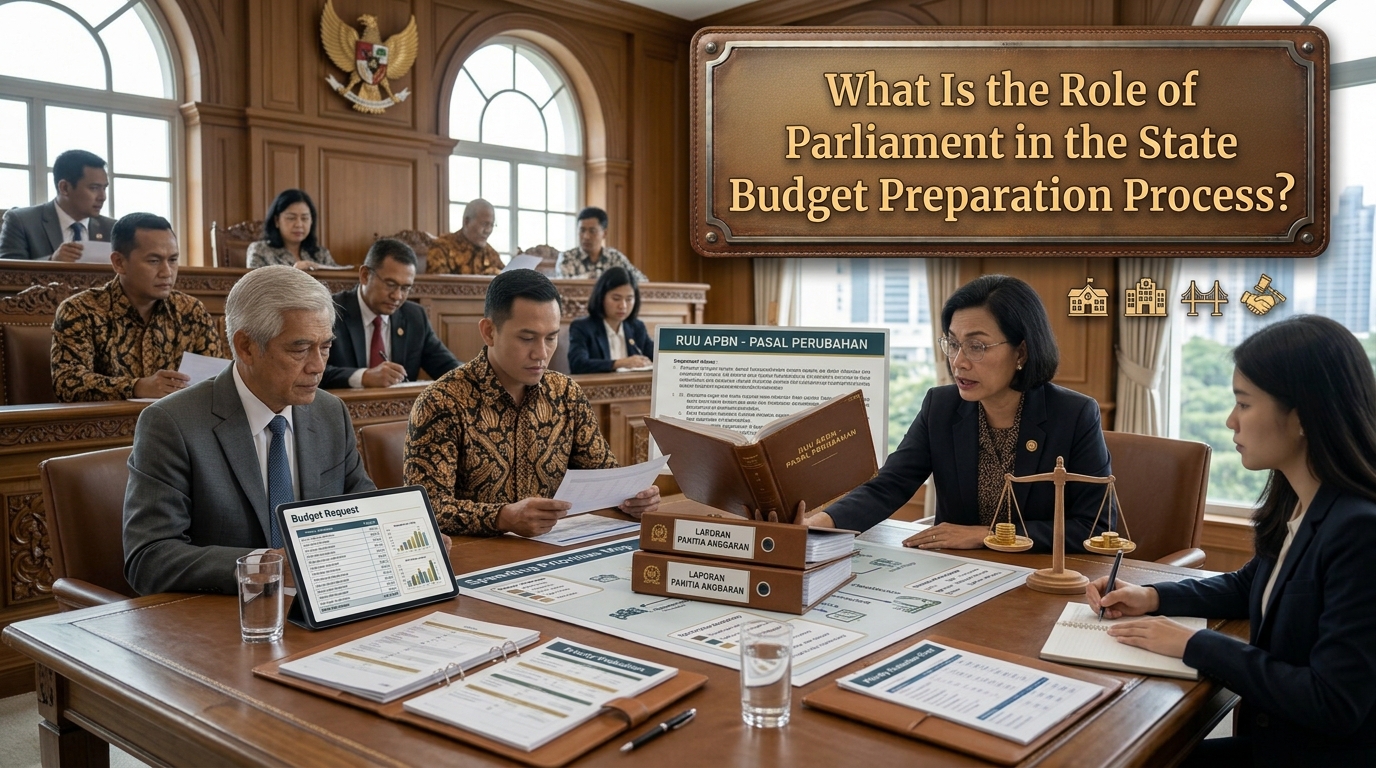
The state budget preparation process requires cooperation between the government and parliament to ensure that public money is planned and spent responsibly. Parliament plays an important role in examining government proposals, discussing spending priorities, and approving the budget according to the country's laws. These responsibilities help ensure that public funds support essential services, economic development, and public welfare. Parliament also monitors government spending to determine whether approved funds are used appropriately. Understanding the role of parliament in state budget preparation helps explain how democratic oversight can improve transparency and accountability in public financial management.
WHAT IS THE ROLE OF PARLIAMENT IN STATE BUDGET PREPARATION?
Parliament is the legislative institution responsible for representing citizens and exercising oversight over government financial decisions. One of its main responsibilities is to review the proposed state budget before it becomes legally effective. Members of parliament examine government revenue estimates, planned expenditure, and financing requirements. They assess whether the proposed allocations reflect public needs and national development priorities. Through this process, parliamentary budget oversight helps ensure that government spending receives proper scrutiny.
The specific powers of parliament depend on each country's constitution and financial regulations. In Indonesia, the House of Representatives (Dewan Perwakilan Rakyat or DPR) has the constitutional authority to discuss and approve the proposed State Budget, known as the Anggaran Pendapatan dan Belanja Negara (APBN). The President submits the draft budget to the DPR for discussion and approval. During these discussions, lawmakers can question government officials and examine proposed financial policies. This process helps establish a legal and accountable foundation for national spending.
REVIEWING THE GOVERNMENT'S BUDGET PROPOSAL
One of parliament's most important responsibilities is reviewing the government's proposed budget. The government presents estimates of revenue, expenditure, and financing for the upcoming fiscal year. Parliament examines whether these estimates are realistic and whether the proposed spending supports national priorities. Lawmakers may ask questions about program costs, expected benefits, and the reasons certain sectors receive particular allocations. This review helps identify weaknesses and encourages responsible budget planning.
In Indonesia, the DPR conducts budget discussions with the government through its relevant commissions and budgetary mechanisms. Lawmakers consider proposed funding for sectors such as education, healthcare, infrastructure, and social protection. They may raise concerns about insufficient funding, inefficient programs, or spending plans that require further explanation. The discussions can lead to adjustments through the applicable legislative procedures. As a result, budget review helps improve the quality and relevance of the proposed APBN.
APPROVING THE STATE BUDGET
Parliament's approval is a crucial stage in the state budget preparation process. After reviewing the proposal, parliament considers whether the government's financial plan should be approved under the applicable legal framework. This decision determines whether the proposed revenue and expenditure can proceed as part of the official budget. Approval also establishes a framework for government institutions to implement authorized programs. Therefore, budget approval is an essential step in ensuring that public spending has a proper legal basis.
In Indonesia, the DPR exercises its constitutional authority to approve the APBN in coordination with the government. The draft is generally submitted by the President in August before the relevant fiscal year. Discussions must follow the deadlines and procedures established by Indonesian law. Once the budget is approved and enacted, ministries and government institutions can implement their authorized programs. This process helps ensure that public expenditure is planned and authorized through the country's established democratic institutions.
REPRESENTING PUBLIC NEEDS AND PRIORITIES
Parliament also serves as a link between citizens and government financial decisions. Members of parliament can communicate public concerns and raise issues affecting their constituencies during budget discussions. These concerns may involve access to education, healthcare facilities, transportation, employment opportunities, and social assistance. By considering these issues, lawmakers can encourage the government to address important community needs. This representative role supports people-centered budgeting.
Public needs differ across regions, income groups, and economic sectors. Parliament can examine whether proposed allocations adequately address these differences and whether vulnerable communities receive appropriate support. Lawmakers may also consider the long-term effects of budget decisions on employment, regional development, and living standards. However, proposed changes must remain consistent with available resources and applicable laws. By bringing public concerns into budget discussions, parliament helps promote fairer budget allocation and more inclusive development.
MONITORING GOVERNMENT SPENDING
Parliament's responsibilities do not end when the budget is approved. It also exercises oversight to examine whether the government implements the budget according to the approved plans and legal requirements. Lawmakers can review financial reports, question ministers, and investigate concerns through authorized oversight mechanisms. They may examine whether programs are progressing as expected and whether public funds are being used efficiently. This work supports government accountability.
In Indonesia, the DPR can use reports from the Audit Board of Indonesia (Badan Pemeriksa Keuangan or BPK) as part of its financial oversight. BPK independently examines the management and accountability of state finances within its authority. Audit findings can help lawmakers identify irregularities, weaknesses in financial controls, and areas requiring improvement. Parliament can then use its oversight powers to seek explanations and encourage corrective action. Effective monitoring helps ensure that approved budgets deliver public benefits rather than merely recording expenditure.
PROMOTING TRANSPARENCY AND FINANCIAL ACCOUNTABILITY
Transparency is essential because citizens have the right to understand how public funds are planned and used. Parliament contributes by examining budget proposals and encouraging the disclosure of relevant financial information through established procedures. Public discussions and accessible budget documents can help citizens understand government priorities. Greater transparency also makes it easier for researchers, journalists, and civil society organizations to assess public spending. These practices strengthen financial accountability.
Parliament can also encourage improvements when budget implementation does not meet expectations. It may question responsible officials, review audit findings, and request explanations about spending outcomes. However, parliament must exercise these responsibilities according to its legal authority and oversight procedures. Clear reporting and consistent monitoring can reduce opportunities for waste and misuse of public resources. By promoting transparent budgeting, parliament helps strengthen public trust in government institutions.
WHY IS PARLIAMENTARY INVOLVEMENT IMPORTANT?
Parliamentary involvement is important because it provides a system of checks and balances over government financial decisions. Without effective legislative review, spending proposals may receive insufficient scrutiny or fail to address important public needs. Parliament can question assumptions, examine priorities, and encourage more responsible use of public funds. Its oversight also helps ensure that government decisions follow the law. These functions contribute to better public financial management.
Parliament also helps connect budget decisions with broader economic and social objectives. By reviewing allocations for education, infrastructure, healthcare, and social protection, lawmakers can assess whether spending supports long-term development. Monitoring and evaluation provide opportunities to identify ineffective programs and improve future budgets. Nevertheless, effective oversight depends on reliable information, constructive discussion, and respect for institutional responsibilities. Ultimately, strong parliamentary oversight can improve budget quality, public accountability, and confidence in government financial management.
CONCLUSION
The role of parliament in the state budget preparation process includes reviewing government proposals, discussing spending priorities, approving the budget, representing public needs, and monitoring implementation. In Indonesia, the DPR exercises these responsibilities within the constitutional framework governing the APBN. Its involvement helps ensure that public funds are allocated through a lawful and accountable process. Cooperation between parliament and the government, supported by financial reporting and independent audits, strengthens public financial management. Ultimately, parliamentary budget oversight is essential for promoting transparency, responsible spending, and sustainable national development
Recent Posts

Bagaimana Sistem SKS pada Program Kuliah... 22.11.2026/47 View

How Does Technology Make Daily Evaluation... 21.11.2026/75 View

Apa Strategi Menghadapi Kesenjangan antara Kompetensi... 21.11.2026/76 View

Mengapa Inventaris Aset Penting bagi Kelancaran... 21.11.2026/73 View

When Should Musicians Join a Record... 21.11.2026/76 View
