

What Is the Role of Schools in Organizing Sports Week Activities?
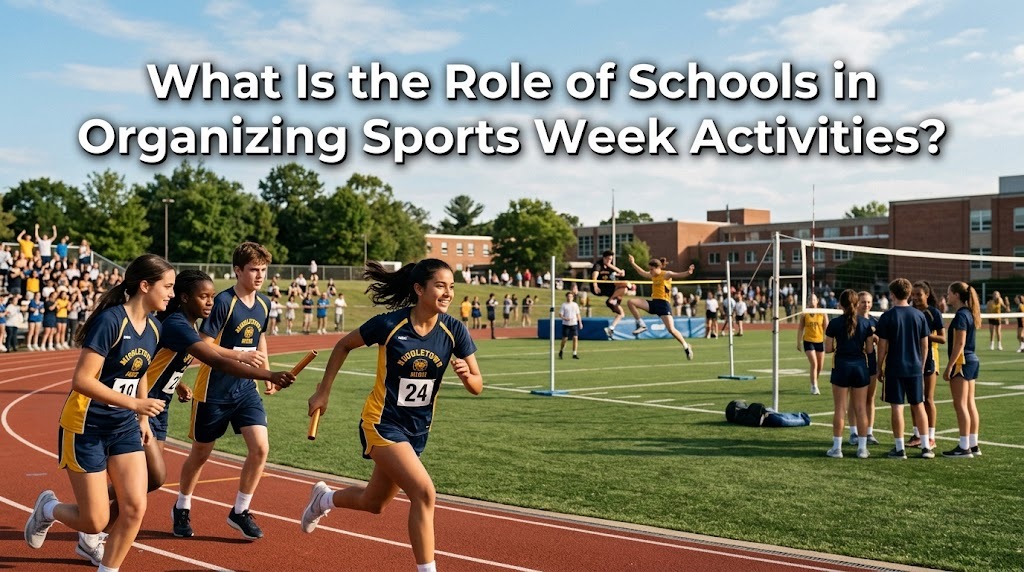
Sports week is an important school event that encourages students to participate in physical activities, develop athletic skills, and build stronger relationships with their classmates. Schools play a central role in organizing these activities by providing facilities, preparing competition schedules, ensuring safety, and encouraging student participation. A well-organized sports week can create a positive learning environment beyond the classroom. It also teaches students valuable lessons about teamwork, discipline, leadership, and sportsmanship. Through careful planning and cooperation, schools can make sports week an enjoyable, educational, and inclusive experience for the entire school community.
PLANNING AND ORGANIZING SPORTS WEEK ACTIVITIES
Schools are responsible for developing a clear plan before sports week begins. This process includes determining the event's objectives, selecting suitable sports, preparing a schedule, and deciding how competitions will be conducted. School administrators and teachers can form an organizing committee to divide responsibilities and coordinate preparations. They should also consider the number of participants, available facilities, students' abilities, and the time needed for each activity. Effective planning helps prevent scheduling conflicts and ensures that the event runs smoothly.
Schools should communicate the plan to students, teachers, parents, and other relevant participants. Information about registration, competition rules, schedules, and equipment requirements should be shared well in advance. Organizers should also prepare alternative arrangements in case of bad weather or unexpected problems. Regular coordination meetings can help identify potential challenges before the event begins. With a clear plan and effective communication, schools can create a structured and enjoyable sports week.
PROVIDING SPORTS FACILITIES AND EQUIPMENT
Adequate facilities and equipment are essential for organizing safe and successful sports week activities. Schools should inspect their sports fields, courts, indoor halls, and other activity areas before competitions begin. They must ensure that the facilities are suitable for the planned activities and that obvious hazards are addressed. Depending on the sports involved, schools may need footballs, basketballs, volleyballs, nets, cones, whistles, and protective equipment. Proper equipment allows students to participate comfortably and follow the rules of each competition.
Schools should also maintain their equipment and ensure that it is available when needed. Damaged items should be repaired or replaced before they create safety risks. When resources are limited, organizers can prioritize essential equipment and schedule activities to make the best use of available facilities. Schools may also cooperate with local sports organizations when additional equipment or suitable venues are needed. Providing appropriate facilities demonstrates the school's commitment to student participation, physical education, and safety.
ENSURING STUDENT SAFETY AND HEALTH
Student safety must be a major priority throughout sports week. Schools should establish clear safety procedures and ensure that teachers or responsible staff members supervise activities. Students should receive instructions about proper warm-ups, appropriate equipment, safe playing techniques, and competition rules. Organizers should also check weather conditions when planning outdoor events, particularly during periods of high temperatures or heavy rain. These precautions help reduce preventable injuries and create a safer environment for participants.
Schools should prepare a response plan for injuries and medical emergencies. This may include having a first-aid kit available, identifying trained personnel, and ensuring that emergency assistance can be contacted when necessary. Students who feel unwell or experience pain during an activity should be encouraged to stop and report their condition. Schools should also provide access to drinking water and appropriate rest areas. By combining supervision, preventive measures, and emergency preparedness, schools can help students participate with greater confidence.
ENCOURAGING STUDENT PARTICIPATION AND INCLUSIVITY
One of the most important responsibilities of schools is encouraging students to participate in sports week activities. Schools should create opportunities for students with different interests, skill levels, and physical abilities to become involved. Not every student needs to compete in a high-performance sporting event to contribute meaningfully. Some students may prefer recreational games, team challenges, event organization, scorekeeping, or supporting their classmates. Offering different roles helps ensure that more students feel included.
Schools should also avoid creating an environment in which only the strongest or most experienced athletes receive attention. Activities can be designed to reward participation, cooperation, improvement, and positive behavior alongside competitive achievement. Teachers should encourage students who feel nervous about competing and remind them that sports week is an opportunity to learn. Reasonable accommodations should be considered so that students with disabilities can participate as fully and safely as possible. An inclusive approach helps build confidence, strengthen friendships, and promote a sense of belonging within the school community.
TEACHING TEAMWORK AND SPORTSMANSHIP
Sports week provides schools with an opportunity to teach values that are difficult to develop through academic lessons alone. During team competitions, students learn how to communicate, share responsibilities, and work toward common goals. They also discover the importance of trusting teammates and supporting others during challenging situations. Teachers can reinforce these lessons by encouraging cooperation and respectful communication throughout the event. These experiences may help students develop interpersonal skills that are useful in school and everyday life.
Schools should also emphasize fair play, honesty, respect, and self-control. Students need to understand that following the rules and respecting opponents are just as important as winning a competition. Teachers and referees should address unsporting behavior consistently and explain why respectful conduct matters. Schools can recognize students who demonstrate outstanding teamwork, discipline, and sportsmanship rather than focusing exclusively on medals or trophies. By setting a positive example, educators can help students understand that the true value of sports week extends beyond the final score.
MANAGING BUDGETS AND COORDINATING RESOURCES
Organizing sports week requires careful financial planning. Schools may need funds for equipment, venue preparation, first-aid supplies, awards, event materials, and other operational needs. Administrators should prepare a realistic budget based on the school's available resources and the scale of the event. Spending priorities should focus on essential requirements, especially safety and access to suitable equipment. Transparent financial management also helps schools maintain accountability and avoid unnecessary expenses.
Schools can coordinate with parents, local communities, sports clubs, and other relevant partners when additional support is appropriate. These partnerships may provide equipment, volunteers, technical guidance, or access to facilities. However, external support should be managed according to school policies and should not create unfair advantages for particular students or teams. Organizers should clearly communicate responsibilities and ensure that resources are distributed fairly. Effective coordination helps schools deliver meaningful activities while making responsible use of available funding.
SUPPORTING STUDENT DEVELOPMENT AND RECOGNIZING ACHIEVEMENTS
Schools should view sports week as a learning opportunity rather than simply a series of competitions. Teachers can use the event to help students develop leadership, discipline, confidence, decision-making, and problem-solving skills. Students who serve as team captains or assist with event organization can practice taking responsibility and communicating with others. Participation also allows students to discover new interests and recognize their athletic strengths. These experiences can support personal development beyond the sports field.
Recognizing student achievements is another important part of organizing a successful event. Schools can present awards for athletic performance, teamwork, improvement, participation, and sportsmanship. Recognition should be fair, based on clear criteria, and appropriate to the activities involved. Students who do not win competitions should still receive encouragement for their effort and positive contributions. By celebrating a variety of achievements, schools can motivate students to remain active and continue developing their abilities.
EVALUATING THE EVENT AND IMPROVING FUTURE ACTIVITIES
After sports week ends, schools should evaluate how effectively the activities were organized. Organizers can review participation levels, competition schedules, facility conditions, safety incidents, and the use of financial resources. Feedback from students, teachers, volunteers, and parents can reveal which activities worked well and which areas need improvement. This information helps schools identify practical changes for future events. Evaluation also ensures that lessons learned from one sports week are not lost when planning the next.
Schools should document important findings and use them to improve future programs. For example, they may adjust competition schedules, introduce additional recreational activities, improve communication, or provide better equipment. They should also review whether students with different abilities had meaningful opportunities to participate. Measuring success through safety, inclusion, student satisfaction, and educational value provides a more complete picture than counting medals alone. Continuous improvement allows sports week to become more organized, engaging, and beneficial each year.
CONCLUSION
Schools play a vital role in organizing successful sports week activities by planning competitions, providing facilities, protecting student safety, and encouraging inclusive participation. They also help students develop teamwork, discipline, leadership, and sportsmanship through meaningful sporting experiences. Careful budgeting, effective communication, and cooperation with the school community further support the event's success. Finally, evaluating each sports week helps schools improve future activities and respond to students' needs. With thoughtful preparation and responsible management, sports week can become a valuable educational experience that promotes physical fitness, personal growth, and a stronger school community.
Recent Posts

Bagaimana Sistem SKS pada Program Kuliah... 22.11.2026/56 View

How Does Technology Make Daily Evaluation... 21.11.2026/85 View

Apa Strategi Menghadapi Kesenjangan antara Kompetensi... 21.11.2026/84 View

Mengapa Inventaris Aset Penting bagi Kelancaran... 21.11.2026/81 View

When Should Musicians Join a Record... 21.11.2026/86 View
