

What Is The Role Of Teachers In Developing Students’ Reading Interest?
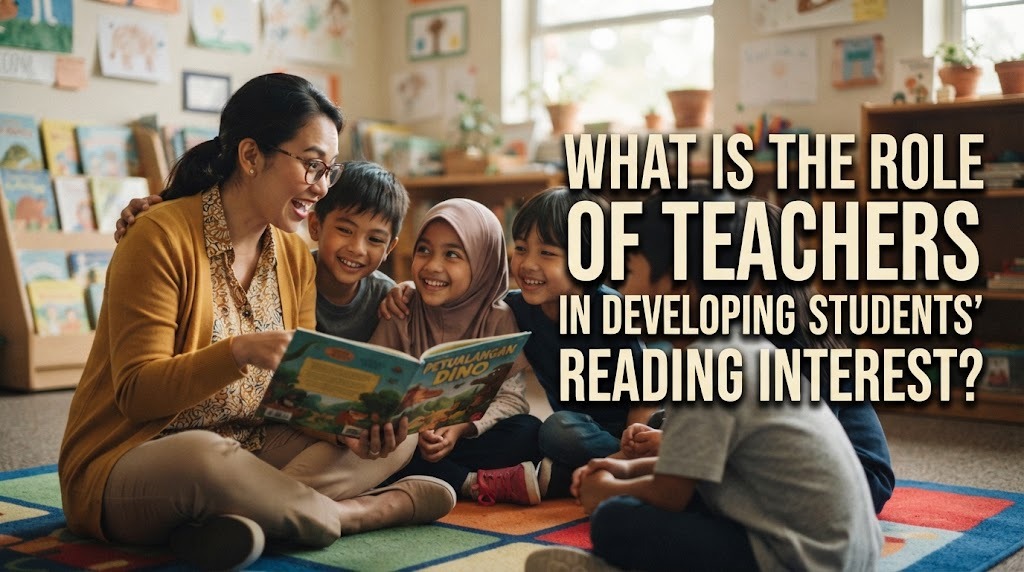
Teachers have an important role in helping students develop a positive relationship with reading. In the classroom, teachers can influence how students see books, articles, and other reading materials. Reading should not only be presented as a task for completing assignments or examinations. Teachers can make it a meaningful, enjoyable, and useful activity that connects with students' interests. With appropriate guidance, teachers can help students build stronger reading interest and reading habits.
INTRODUCING INTERESTING READING MATERIALS
Teachers can increase students' reading interest by introducing materials that are relevant to their lives. Students have different preferences, so teachers should provide various options such as stories, articles, biographies, comics, science texts, and informational content. Giving students choices can help them find topics that naturally attract their attention. When students enjoy the subject, they are more likely to read voluntarily. This can create a positive experience that encourages them to read again.
Teachers should also consider students' reading abilities when selecting materials. Texts that are too difficult can make students frustrated, while texts that are too simple may not provide enough challenge. Teachers can provide materials at different levels and gradually introduce more complex texts. This approach helps students improve without feeling overwhelmed. Suitable reading materials can make reading more accessible and enjoyable.
CREATING A POSITIVE READING ENVIRONMENT
The classroom environment can strongly influence students' attitudes toward reading. Teachers can create a small classroom reading corner with accessible books and other materials. Students can use the space during free time or when they have completed their classroom tasks. A quiet and comfortable environment can help students focus on reading. It can also make books more visible and familiar in everyday classroom life.
Teachers can also create a positive emotional environment around reading. Students should feel comfortable sharing their opinions about books without worrying that every answer must be perfect. Reading discussions can focus on curiosity and personal interpretation rather than only correct answers. This can help students associate reading with confidence and enjoyment. A supportive environment can gradually encourage more students to participate in reading activities.
BECOMING A READING ROLE MODEL
Teachers can influence students through their own behavior. When students see teachers reading books, articles, or other useful materials, they can observe that reading is a normal part of learning and personal development. Teachers can occasionally share interesting things they have read with the class. This can create curiosity and encourage students to ask questions. Teachers who demonstrate positive reading habits can provide a strong example for students.
Role modeling does not require teachers to discuss books all the time. Simple actions, such as reading during a quiet classroom activity or recommending a useful book, can send a positive message. Students may become more willing to read when they see that their teacher genuinely values the activity. This can make reading feel like a natural habit rather than only a school requirement. Positive examples can help develop a stronger reading culture.
ORGANIZING CREATIVE READING ACTIVITIES
Teachers can make reading more interesting by using creative classroom activities. Instead of asking students only to read silently, teachers can organize book discussions, storytelling, reading challenges, role-playing, or short presentations. These activities allow students to interact with the content in different ways. They can also make reading more social and enjoyable. Varied activities can prevent students from seeing reading as repetitive.
Activities should match the age, ability, and interests of the students. For example, younger students may enjoy storytelling and picture-based activities, while older students may prefer discussions or creative writing tasks. Teachers can also allow students to work individually or in groups depending on the activity. The goal is to make students actively involved with what they read. Active reading experiences can strengthen curiosity and motivation.
ENCOURAGING STUDENTS TO CHOOSE THEIR BOOKS
Giving students freedom to choose what they read can increase their sense of ownership. Teachers can provide several options and allow students to select a book based on their interests. This does not mean that teachers should stop giving recommendations. Instead, teachers can guide students toward materials that are appropriate while still respecting their preferences. Choice can increase motivation because students feel more involved in the decision.
Teachers can also encourage students to explain why they selected a particular book. This simple activity helps teachers understand students' interests and discover which topics attract them. It can also encourage students to think more carefully about their reading choices. Over time, students may become better at selecting materials that match their needs and abilities. This can support the development of independent reading habits.
PROVIDING POSITIVE FEEDBACK AND ENCOURAGEMENT
Students need encouragement when developing reading skills. Teachers should recognize students' effort and improvement rather than focusing only on how quickly they finish a book. Positive feedback can increase reading confidence and encourage students to continue practicing. Students who struggle with difficult texts should receive guidance instead of negative criticism. A supportive approach can help them see mistakes as part of the learning process.
Teachers can also celebrate reading progress in simple ways. Students might share their favorite books, recommend a story to classmates, or record the materials they have completed. These activities can provide a sense of achievement without creating excessive pressure. The focus should remain on developing a positive relationship with reading. Encouragement and constructive feedback can help students become more motivated readers.
CONNECTING READING WITH STUDENTS’ LIVES
Reading can become more meaningful when students can connect it with their everyday experiences. Teachers can select texts related to school life, technology, friendship, hobbies, future careers, or current social topics. After reading, students can discuss how the information relates to their own experiences. These connections can make abstract ideas easier to understand. They can also show students that reading has practical value beyond examinations.
Teachers can encourage students to use what they read in other activities. For example, information from an article can become the basis for a discussion, presentation, project, or writing assignment. This demonstrates that reading can support many different skills. Students may become more interested when they see how reading helps them solve problems and communicate ideas. Connecting reading with real life can strengthen the purpose and value of reading.
CONCLUSION
Teachers play an important role in developing students’ reading interest by creating positive experiences, providing suitable materials, offering choices, and encouraging consistent reading habits. They can also become reading role models and organize creative activities that make reading more engaging. Positive feedback and connections to students' everyday lives can further increase motivation. Every student has different interests and abilities, so teachers should use flexible strategies rather than relying on one approach. With consistent guidance and a supportive classroom environment, teachers can help students develop a lasting interest in reading.
Recent Posts

Bagaimana Sistem SKS pada Program Kuliah... 22.11.2026/35 View

How Does Technology Make Daily Evaluation... 21.11.2026/69 View

Apa Strategi Menghadapi Kesenjangan antara Kompetensi... 21.11.2026/70 View

Mengapa Inventaris Aset Penting bagi Kelancaran... 21.11.2026/67 View

When Should Musicians Join a Record... 21.11.2026/69 View
