

What Is the Role of the Police Academy in Developing Future Police Officers?
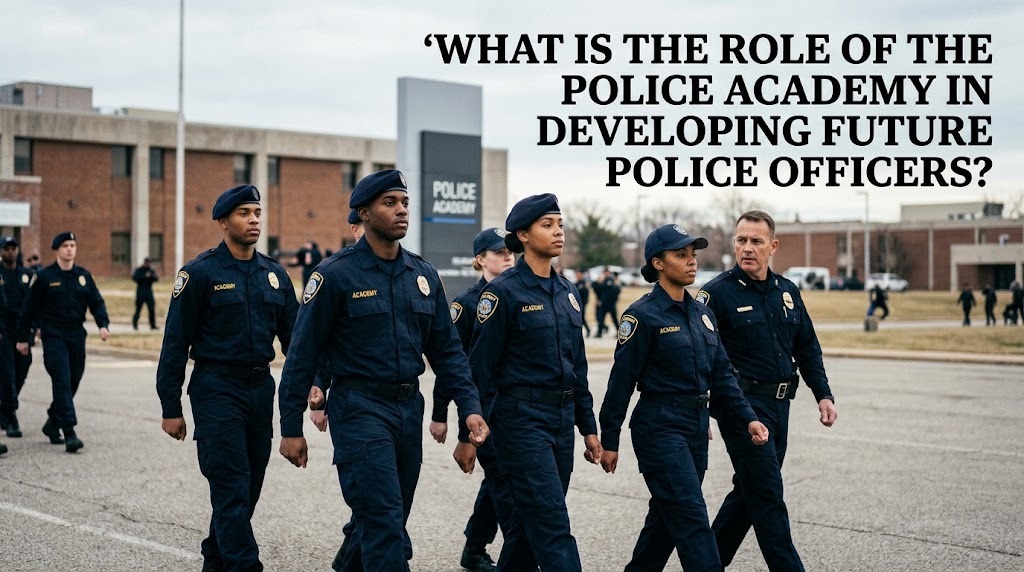
The Police Academy plays an important role in preparing future police officers to serve the public professionally, responsibly, and effectively. It provides structured education and training that help cadets develop law enforcement knowledge, physical fitness, leadership abilities, and strong moral values. In Indonesia, the Indonesian Police Academy, known as Akademi Kepolisian (Akpol), prepares cadets for future careers as commissioned officers in the Indonesian National Police.
Becoming a capable police officer requires more than physical strength and knowledge of the law. Officers must also communicate effectively, make sound decisions under pressure, respect human rights, and understand the needs of the communities they serve. Through academic learning, practical exercises, and character development, the Police Academy helps build these essential qualities.
PROVIDING PROFESSIONAL POLICE EDUCATION
One of the main responsibilities of the Police Academy is to provide the knowledge future officers need to perform their duties. Cadets learn about criminal law, legal procedures, public security, crime prevention, and the responsibilities of law enforcement institutions. These subjects help them understand how to apply the law appropriately while protecting the rights of individuals. Lessons may also involve case studies and problem-solving exercises that connect classroom concepts with real situations. By developing a strong academic foundation, the academy prepares future officers to approach their responsibilities with greater understanding and care.
Police education also helps cadets recognize the legal and social consequences of their decisions. Officers must understand that every action should follow applicable laws, professional standards, and established procedures. They need to distinguish between situations that require enforcement and those that may be resolved through communication or other appropriate measures. This knowledge supports fair, consistent, and accountable police work. A strong educational foundation also prepares officers to continue learning as laws, technologies, and public safety challenges evolve.
DEVELOPING DISCIPLINE AND PERSONAL INTEGRITY
Discipline and integrity are essential qualities for every police officer. The Police Academy develops these values through structured daily routines, clear standards of conduct, supervised activities, and consistent evaluation. Cadets learn to manage their time, follow lawful instructions, accept responsibility, and work toward shared goals. They are also expected to demonstrate honesty, respect, and accountability in their interactions with instructors and fellow cadets. These experiences help establish habits that can guide their professional behavior throughout their careers.
Integrity is particularly important because police officers are entrusted with authority and responsibilities that directly affect people's lives. Future officers must understand the importance of rejecting bribery, avoiding abuse of power, and treating people fairly regardless of their background. Character development encourages cadets to consider the ethical consequences of their actions before making decisions. Discipline should support responsible judgment rather than unquestioning obedience. By combining ethical education with practical examples, the academy helps cadets understand how professional values should influence their everyday conduct.
STRENGTHENING PHYSICAL FITNESS AND OPERATIONAL SKILLS
Physical training prepares cadets for the demanding conditions they may encounter during police service. Activities can include running, strength exercises, endurance training, and other physical development programs appropriate to the curriculum. These activities help improve stamina, coordination, mobility, and the ability to remain effective under pressure. Cadets may also receive practical instruction in self-defense, tactical procedures, and other operational skills required for their future responsibilities. Regular assessment helps instructors monitor progress and identify areas that require further improvement.
Operational training also teaches cadets how to apply procedures safely and appropriately. Depending on the curriculum, practical exercises may involve simulated incidents, emergency responses, evidence handling, and decision-making under controlled conditions. Such exercises allow cadets to practice their skills without relying exclusively on theoretical knowledge. They also learn the importance of proportionality, risk assessment, and following established rules when using police authority. Combining physical preparation with technical instruction helps develop officers who are more prepared for the practical demands of law enforcement.
BUILDING LEADERSHIP AND DECISION MAKING
The Police Academy helps prepare future officers to lead teams, coordinate activities, and take responsibility for their decisions. Leadership development can involve group assignments, supervised responsibilities, problem-solving exercises, and evaluations of individual performance. Cadets learn to communicate expectations clearly, manage disagreements, and cooperate with people who have different perspectives. They are also encouraged to develop confidence without becoming arrogant or dismissive of others. These experiences establish a foundation for leadership in situations that require both authority and sound judgment.
Decision-making skills are equally important because police officers frequently face situations that require careful evaluation. They must assess available information, identify potential risks, understand applicable laws, and choose appropriate actions. Training scenarios can help cadets practice remaining calm while considering the safety of the public, colleagues, and individuals involved. Instructors can use these exercises to discuss mistakes and explain how alternative decisions might produce different outcomes. Developing critical thinking and accountability helps future officers become more thoughtful and effective leaders.
TEACHING COMMUNICATION AND COMMUNITY SERVICE
Police officers interact with people from different backgrounds, age groups, and social circumstances. For this reason, the Police Academy must help cadets develop communication, listening, negotiation, and conflict-resolution skills. These abilities can be useful when taking reports, assisting victims, responding to complaints, or managing disagreements. Cadets should learn to explain procedures clearly and treat people with dignity, including those who are distressed or unfamiliar with legal processes. Effective communication can reduce misunderstandings and support safer interactions between officers and the public.
Community-oriented policing also emphasizes cooperation between law enforcement and the people it serves. Future officers need to understand local concerns, recognize patterns of public safety problems, and work with community members to identify appropriate solutions. Practical learning may include community engagement, case discussions, and exercises involving public service situations. These experiences help cadets understand that maintaining security involves more than responding to crime after it occurs. By developing empathy, cultural awareness, and a service-oriented mindset, the academy can prepare officers to build public trust and support community safety.
ADAPTING TO MODERN POLICING AND TECHNOLOGY
Modern policing requires officers to understand technological developments and respond to increasingly complex security challenges. Police academies can introduce cadets to digital evidence, cybercrime awareness, forensic methods, information analysis, and other relevant areas of modern law enforcement. Training may also involve simulations and technology-assisted learning to help cadets evaluate situations and practice evidence-based decisions. In Indonesia, educational developments at Akpol have included social science laboratory facilities and thematic classrooms designed to support analytical learning and practical police education. Such approaches can help connect academic knowledge with real-world security problems.
Technology must also be used responsibly and in accordance with applicable laws. Officers need to understand privacy protections, evidence integrity, data security, and the risks of relying on inaccurate or incomplete information. They should learn to evaluate information critically rather than accepting every digital result as reliable. Continuing education is necessary because criminal methods, digital tools, and public safety needs continue to change. By combining technological competence with legal knowledge and ethical judgment, the academy can help future officers adapt to modern policing without losing sight of their public responsibilities.
CONCLUSION
The Police Academy plays a central role in developing future police officers through professional education, physical training, character development, and leadership preparation. It equips cadets with the knowledge and practical skills needed to understand the law, respond to security challenges, communicate with communities, and make responsible decisions. The academy also encourages integrity, discipline, respect for human rights, and accountability in the exercise of police authority. As policing continues to evolve, education must remain responsive to technological developments and changing public needs. Ultimately, effective police education aims to produce officers who are competent, ethical, adaptable, and committed to protecting and serving the community.
Recent Posts

Bagaimana Sistem SKS pada Program Kuliah... 22.11.2026/57 View

How Does Technology Make Daily Evaluation... 21.11.2026/86 View

Apa Strategi Menghadapi Kesenjangan antara Kompetensi... 21.11.2026/84 View

Mengapa Inventaris Aset Penting bagi Kelancaran... 21.11.2026/82 View

When Should Musicians Join a Record... 21.11.2026/86 View
