

What Is The Transitional Season And Why Does The Weather Often Change?
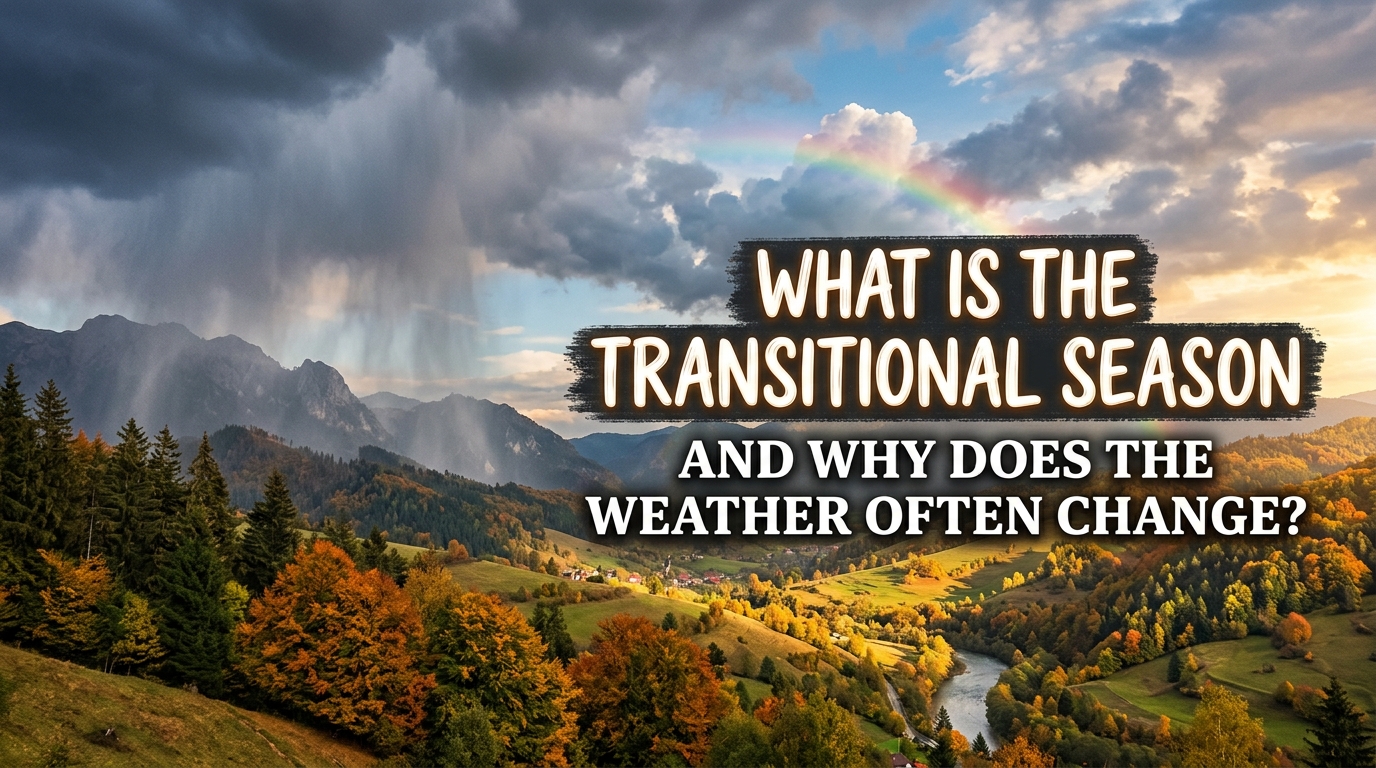
The transitional season, also known as the changeover season, is the period when one major season gradually shifts into another. In Indonesia, this period is commonly called musim pancaroba and occurs between the rainy and dry seasons. During this time, the weather can change quickly, bringing hot sunshine, cloudy skies, sudden rain, and strong winds within a short period. These changes can affect daily activities, transportation, agriculture, and human health. Understanding the transitional season helps people prepare for unpredictable weather and reduce potential risks.
WHAT IS THE TRANSITIONAL SEASON?
The transitional season is a period when weather patterns change as the atmosphere moves from one seasonal condition to another. In Indonesia, it usually occurs when the rainy season changes into the dry season or when the dry season returns to the rainy season. Unlike places with four distinct seasons, Indonesia mainly experiences wet and dry seasons because of its tropical climate. The timing and duration of the transitional season can vary between regions and from year to year. Changing wind patterns, rainfall, humidity, and temperature are common features of this period.
During the transition, some areas may experience hot afternoons followed by heavy rain in the evening. Other locations may have cloudy mornings, sudden gusts of wind, or several dry days between rainy periods. These conditions do not occur everywhere at the same time because Indonesia has a large and geographically diverse territory. Mountains, coastlines, and local weather patterns can also influence how the transition develops. Therefore, the transitional season does not follow one fixed schedule across the entire country.
WHY DOES THE WEATHER OFTEN CHANGE?
One major reason for changing weather during the transitional season is the movement of air masses and changes in wind direction. Winds transport air with different levels of temperature and moisture, influencing cloud formation and rainfall. When warm, moist air rises, it can cool and form clouds that may develop into rain-producing storms. If atmospheric conditions support strong upward movement, these clouds can grow rapidly and produce heavy rain, lightning, or strong winds. As a result, the weather can change noticeably within a few hours.
Another important factor is the amount of heat and moisture in the atmosphere. Strong sunshine heats the ground, warming the air above it and encouraging rising air currents. When sufficient moisture is present, this process can lead to the development of tall storm clouds, especially during the afternoon. Changes in large-scale climate patterns, including the monsoon and phenomena such as El Niño and La Niña, can also influence rainfall and seasonal timing. However, their effects vary, and they do not explain every sudden weather change.
THE MAIN CHARACTERISTICS OF TRANSITIONAL SEASON WEATHER
One common characteristic of the transitional season is unpredictable rainfall. A morning may begin with bright sunshine, but clouds can build up and bring rain later in the day. Some areas may experience thunderstorms, lightning, or short periods of intense rainfall. Strong winds can also occur when thunderstorms develop, although wind strength differs from place to place. These conditions make it useful to check updated weather forecasts before traveling or planning outdoor activities.
Another characteristic is the noticeable change in air temperature and humidity. The weather may feel hot and humid during the day, while rain can make the surrounding air feel cooler for a while. Some people may experience discomfort when moving between hot outdoor conditions and cooler indoor spaces. However, changes in outdoor temperature do not automatically cause illness. Staying hydrated, getting enough rest, and maintaining good hygiene can help people remain comfortable and healthy.
HOW THE TRANSITIONAL SEASON AFFECTS DAILY LIFE
Changing weather can influence many everyday activities. Heavy rain may cause traffic congestion, reduce visibility on roads, and delay public transportation. Farmers may need to adjust planting schedules and irrigation practices according to rainfall and soil moisture. Outdoor workers and students may also need to change their plans when storms or strong winds are expected. Checking weather forecasts and preparing suitable clothing can help people manage these disruptions.
The transitional season can also increase certain environmental and health risks. Intense rainfall may cause localized flooding, landslides in vulnerable areas, or fallen trees during strong winds. Standing water can provide breeding places for mosquitoes, increasing the risk of mosquito-borne diseases where the conditions are suitable. Meanwhile, hot weather can contribute to dehydration if people do not drink enough water. Awareness and preparation are important for reducing these risks and protecting communities.
HOW TO PREPARE FOR UNPREDICTABLE WEATHER
People can prepare for the transitional season by checking reliable weather forecasts before leaving home. Weather updates from official meteorological agencies can provide information about expected rainfall, thunderstorms, and strong winds. Carrying an umbrella or raincoat can help during sudden showers, while wearing comfortable clothing can make it easier to adapt to changing temperatures. It is also wise to allow extra travel time when heavy rain may affect road conditions. These simple habits can reduce inconvenience and improve personal safety.
At home and in the community, people should keep drainage channels clear and avoid allowing rubbish to accumulate in waterways. Residents should secure loose outdoor objects that could be blown away by strong winds and stay away from damaged trees or unstable structures during storms. Drinking enough water, getting adequate sleep, and maintaining personal hygiene can also support general health. If an official warning is issued, follow safety instructions and avoid dangerous areas. Being prepared does not eliminate every weather-related risk, but it can help people respond more safely.
CONCLUSION
The transitional season is the period when weather conditions shift between the rainy and dry seasons. The weather often changes because of shifting winds, atmospheric moisture, rising warm air, and changing seasonal patterns. These factors can produce sudden rain, thunderstorms, strong winds, and noticeable changes in temperature. Although the timing and effects differ across regions, people can reduce potential problems by following reliable forecasts and preparing for changing conditions. Understanding the transitional season helps communities protect their health, plan daily activities, and respond more effectively to unpredictable weather.
Recent Posts

Bagaimana Sistem SKS pada Program Kuliah... 22.11.2026/53 View

How Does Technology Make Daily Evaluation... 21.11.2026/82 View

Apa Strategi Menghadapi Kesenjangan antara Kompetensi... 21.11.2026/81 View

Mengapa Inventaris Aset Penting bagi Kelancaran... 21.11.2026/77 View

When Should Musicians Join a Record... 21.11.2026/82 View
