

What Is Work Accident Insurance and Why Is It Important for Employees?
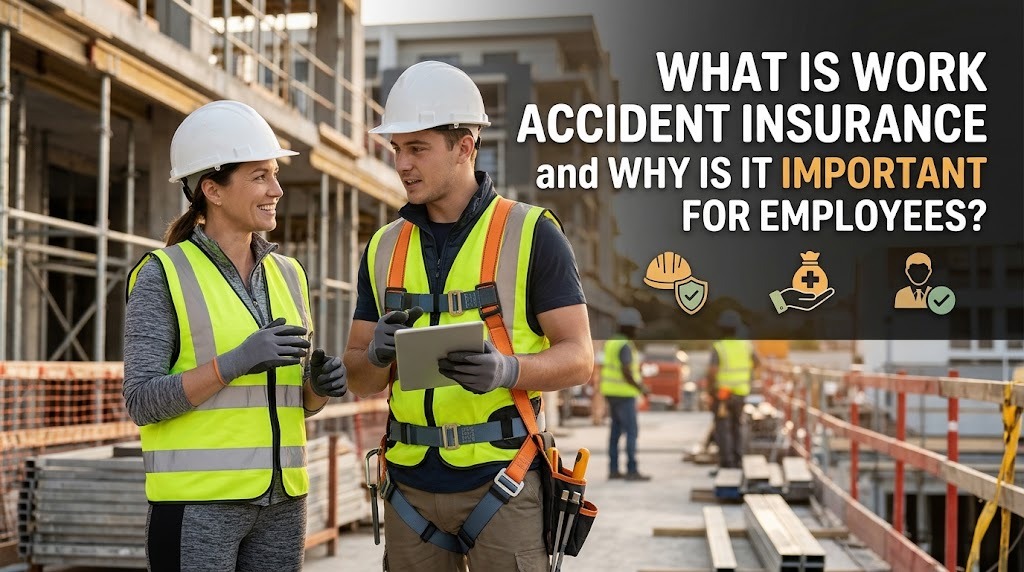
Workplace safety is an important aspect of every professional environment. However, accidents can still happen even when companies have established safety procedures and regulations. Employees may experience injuries or health problems while performing their duties, which can affect their ability to work and earn an income. This is why work accident insurance plays an essential role in protecting workers from unexpected financial difficulties. It provides various forms of assistance when employees experience accidents related to their jobs.
WHAT IS WORK ACCIDENT INSURANCE?
Work accident insurance is a form of protection designed to provide benefits to employees who experience accidents or work-related illnesses. This insurance helps cover certain expenses and provides financial support when workers are unable to perform their regular duties because of an occupational accident. Depending on the applicable regulations and insurance program, the benefits may include medical treatment, rehabilitation, temporary disability assistance, and compensation for permanent disability. These protections help employees receive appropriate support during their recovery.
In Indonesia, work accident protection is provided through the Work Accident Security Program (Jaminan Kecelakaan Kerja or JKK), which is part of the social security system managed by BPJS Ketenagakerjaan. The program is intended to protect eligible workers against risks associated with occupational accidents and work-related illnesses. Its coverage may include accidents occurring at the workplace, during work-related activities, or while traveling between home and work, subject to applicable requirements. Understanding this program helps employees recognize their rights and the protection available to them.
WHY IS WORK ACCIDENT INSURANCE IMPORTANT FOR EMPLOYEES?
Work accident insurance is important because workplace accidents can create unexpected financial challenges. Employees who experience injuries may need medical treatment, rehabilitation, or time away from work. Without adequate protection, these situations could place considerable pressure on their personal finances and family responsibilities. Insurance benefits help reduce this burden by providing support according to the coverage and regulations of the applicable program. As a result, employees can focus more on their recovery rather than worrying about every expense.
Another important reason is that work accident insurance provides employees with a greater sense of security. Workers can perform their responsibilities with more confidence when they know that protection is available if an occupational accident occurs. This does not mean that insurance can prevent accidents from happening, but it can help reduce their financial consequences. It also demonstrates that employee welfare is an important consideration in the workplace. Therefore, work accident insurance is an essential part of a responsible employment environment.
WHAT BENEFITS DOES WORK ACCIDENT INSURANCE PROVIDE?
Work accident insurance offers several benefits depending on the applicable program and the circumstances of the accident. One of its main benefits is medical treatment coverage for injuries or illnesses related to occupational activities. Eligible employees may receive medical services, medication, hospitalization, and rehabilitation according to program provisions. These services are important because proper treatment can support the recovery process and help workers return to their normal activities. The availability of medical assistance also reduces the financial burden associated with unexpected workplace injuries.
In addition to medical services, work accident insurance may provide financial compensation for employees who experience temporary or permanent disability. Certain programs also offer benefits to eligible family members if a worker dies because of a covered occupational accident. In Indonesia, the JKK program includes several forms of protection, such as medical care, temporary disability benefits, permanent disability benefits, and death benefits related to work accidents. The exact amount and eligibility requirements depend on the applicable regulations and the employee's participation status. Employees should understand these provisions to know what assistance they may receive.
WHO IS RESPONSIBLE FOR PROVIDING WORK ACCIDENT INSURANCE?
Employers generally have an important responsibility to provide work accident protection for their eligible employees. In Indonesia, employers are required to register eligible workers in the relevant BPJS Ketenagakerjaan social security programs in accordance with applicable regulations. This responsibility applies to different employment arrangements, although the registration procedures and contribution requirements may vary. Employers must also ensure that employee information is registered accurately so that workers can access their benefits when necessary.
Employees should also take an active role in understanding their insurance coverage. They can ask the human resources department about their registration status, contribution payments, and available benefits. Checking this information regularly can help identify administrative problems before an accident occurs. Workers should also keep relevant employment and insurance documents in a safe place. Cooperation between employers and employees helps ensure that work accident protection functions properly.
HOW DOES WORK ACCIDENT INSURANCE SUPPORT A SAFER WORKPLACE?
Work accident insurance contributes to workplace welfare by ensuring that employees have access to support when occupational accidents occur. When workers understand that their rights are protected, they may feel more secure and valued within the organization. This can contribute to a healthier relationship between employees and employers. Insurance protection also encourages companies to pay greater attention to occupational safety because preventing accidents remains important for both business operations and employee welfare.
However, insurance should never replace workplace safety measures. Companies must continue implementing occupational health and safety (OHS) procedures, providing appropriate protective equipment, and educating employees about potential workplace hazards. Employees should also follow safety instructions and report unsafe conditions to the appropriate authorities. Combining accident prevention with insurance protection creates a more comprehensive approach to workplace safety. In this way, companies can protect their employees while building a more responsible and productive working environment.
CONCLUSION
Work accident insurance is an important form of protection that helps employees manage the financial and medical consequences of occupational accidents. It may provide medical treatment, rehabilitation, disability compensation, and other benefits according to the applicable insurance program. In Indonesia, the BPJS Ketenagakerjaan JKK program plays an important role in providing work-related accident protection for eligible workers. Employers and employees should understand their respective responsibilities to ensure that coverage is properly maintained. By combining work accident insurance with effective workplace safety practices, companies can create a safer environment and improve employee welfare.
Recent Posts

Bagaimana Sistem SKS pada Program Kuliah... 22.11.2026/37 View

How Does Technology Make Daily Evaluation... 21.11.2026/70 View

Apa Strategi Menghadapi Kesenjangan antara Kompetensi... 21.11.2026/73 View

Mengapa Inventaris Aset Penting bagi Kelancaran... 21.11.2026/68 View

When Should Musicians Join a Record... 21.11.2026/71 View
