

What Long Term Strategies Can Help Cities Achieve Traffic Free Roads?
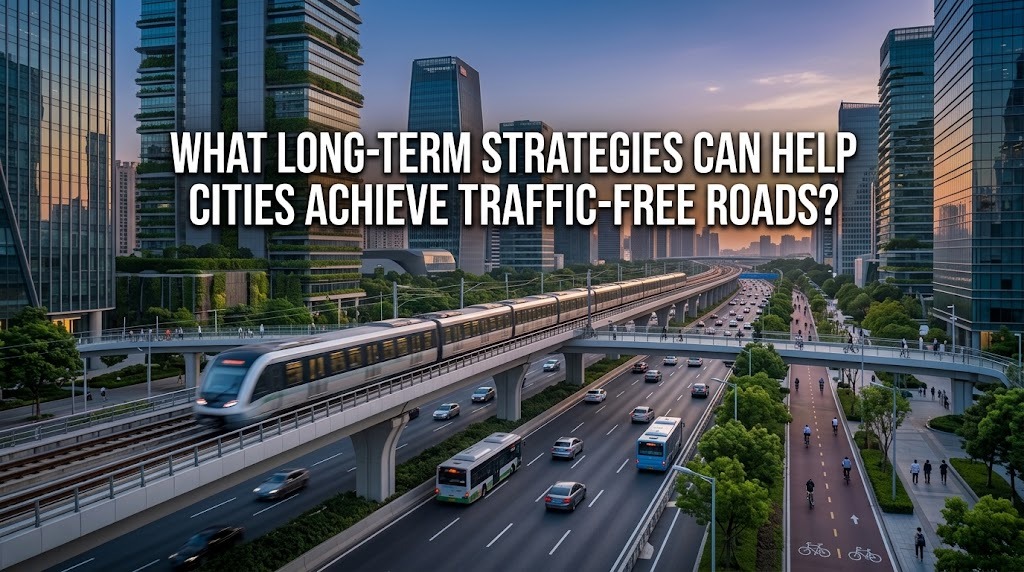
Traffic congestion is one of the biggest challenges facing rapidly growing cities. Increasing populations, rising vehicle ownership, and expanding economic activities place significant pressure on existing road networks. Although completely traffic-free roads may be unrealistic in large urban areas, cities can reduce congestion substantially through long-term transportation strategies. These strategies require coordinated urban planning, reliable public transportation, sustainable travel options, and effective traffic management.
DEVELOPING RELIABLE PUBLIC TRANSPORTATION
One of the most effective long-term strategies for reducing traffic congestion is improving public transportation. Buses, trains, and other mass transit systems can transport many passengers using less road space per person than individual cars. When public transportation is reliable, affordable, safe, and convenient, more residents may choose it instead of driving their own vehicles. This can reduce the number of cars on busy roads, especially during peak commuting hours.
Cities should invest in well-connected bus routes, modern rail systems where appropriate, integrated ticketing, and convenient transfer stations. Dedicated bus lanes can help buses avoid congestion and maintain more predictable travel times. Public transportation should also connect residential neighborhoods with offices, schools, hospitals, and commercial centers. By providing practical alternatives to private vehicles, cities can build a transportation system that supports growing populations without placing excessive pressure on roads.
PROMOTING WALKING AND CYCLING
Encouraging walking and cycling can reduce the number of motorized trips, particularly for short journeys. Many people use cars or motorcycles because sidewalks are inadequate, cycling routes are unsafe, or essential destinations are difficult to reach on foot. Developing pedestrian-friendly infrastructure can make walking a more practical and comfortable choice. Protected bicycle lanes, safe crossings, adequate lighting, and accessible sidewalks can also encourage more residents to cycle.
Cities can support these changes by connecting residential areas with schools, workplaces, public transportation stations, and local shopping areas. Bicycle parking and shared bicycle services may provide additional convenience for commuters. Walking and cycling also offer health benefits by increasing physical activity and reducing vehicle emissions. Although these options cannot replace motorized transportation for every journey, they can reduce unnecessary vehicle use and contribute to less congested urban roads.
IMPLEMENTING SMART TRAFFIC MANAGEMENT SYSTEMS
Modern technology can help cities manage road networks more efficiently. Intelligent traffic management systems use information from sensors, cameras, and traffic monitoring tools to identify congestion and adjust traffic signals. Coordinated traffic lights can improve vehicle movement along busy corridors and reduce unnecessary waiting at intersections. Real-time traffic information can also help drivers choose suitable routes and avoid major disruptions.
Cities can use traffic data to identify recurring bottlenecks, improve intersection designs, and respond more quickly to accidents or broken-down vehicles. Digital parking systems can help drivers locate available spaces and reduce unnecessary circulation in busy districts. However, technology alone cannot eliminate congestion if the number of vehicles continues to exceed road capacity. The best results come from combining smart systems with public transportation, effective planning, and policies that reduce excessive dependence on private vehicles.
IMPROVING URBAN PLANNING AND LAND USE
Urban planning plays an important role in determining how much people need to travel each day. When homes are located far from workplaces, schools, shopping areas, and essential services, residents often depend on cars and motorcycles for daily activities. This can increase commuting distances and place additional pressure on major roads. Cities can reduce these problems by developing neighborhoods where different essential destinations are located closer together.
A mixed-use development approach combines housing, offices, shops, and community facilities within accessible areas. Cities can also encourage affordable housing near employment centers and public transportation stations. These measures can shorten daily journeys and make walking, cycling, and public transportation more practical. Long-term planning should consider future population growth so that new neighborhoods have suitable transportation connections before traffic problems become severe.
REDUCING PRIVATE VEHICLE DEPENDENCE
Reducing excessive dependence on private vehicles is essential for achieving more efficient urban mobility. When most residents travel separately by car or motorcycle, even expanded roads can become congested as traffic demand increases. Governments can encourage alternatives through better public transportation, carpooling programs, park-and-ride facilities, and safe cycling infrastructure. These options allow people to travel conveniently without requiring every journey to involve an individual vehicle.
Some cities may also introduce congestion pricing, parking fees, or vehicle restrictions in particularly busy areas. Such policies need careful planning to avoid placing an unfair burden on lower-income residents or people with limited transportation alternatives. Affordable public transportation and accessible alternatives should be available before restrictive measures are introduced. A balanced approach can reduce unnecessary driving while preserving access to workplaces, education, healthcare, and essential services.
STRENGTHENING GOVERNMENT POLICIES AND PUBLIC PARTICIPATION
Long-term congestion reduction requires consistent policies and cooperation between governments, businesses, and residents. Local authorities need to coordinate transportation investments, land-use decisions, road safety measures, and environmental objectives. They should also evaluate whether existing policies are reducing travel times, improving public transportation use, and making streets safer. Reliable data can help governments adjust their strategies when conditions change.
Public participation is equally important because transportation policies affect people's daily lives. Residents can contribute by using public transportation, sharing rides, walking or cycling when practical, and following traffic regulations. Employers can support flexible working hours and remote work where appropriate to reduce peak-hour travel demand. Through long-term transportation planning and shared responsibility, cities can build safer, more accessible, and more sustainable transportation networks.
KESIMPULAN
Long-term strategies for reducing urban traffic congestion include developing reliable public transportation, promoting walking and cycling, using smart traffic management, improving urban planning, and reducing excessive dependence on private vehicles. These approaches address different causes of congestion and can work together to improve mobility. Although completely traffic-free roads may not be achievable in every city, well-planned policies can significantly reduce delays and make daily travel more predictable.
Governments should prioritize sustainable transportation investments and ensure that residents have convenient, affordable alternatives to driving. Businesses and communities can also contribute by supporting efficient travel habits and responsible urban development. With consistent planning, effective policies, and public cooperation, cities can create transportation systems that support economic growth while improving quality of life.
Recent Posts

Bagaimana Sistem SKS pada Program Kuliah... 22.11.2026/54 View

How Does Technology Make Daily Evaluation... 21.11.2026/83 View

Apa Strategi Menghadapi Kesenjangan antara Kompetensi... 21.11.2026/82 View

Mengapa Inventaris Aset Penting bagi Kelancaran... 21.11.2026/78 View

When Should Musicians Join a Record... 21.11.2026/84 View
